 ultimate-guide
Are Chiropractic Adjustments Painful? A 2026 Review
Table of Contents
- What Does a Chiropractic Adjustment Actually Feel Like?
- Is Chiropractic Treatment Painful? Breaking Down the Discomfort
- Chiropractic Adjustment Side Effects: What to Expect After
- How Long Does a Chiropractic Adjustment Take?
- What Is the Cost of Chiropractic Care Without Insurance?
- Red Flags and Safety: What Every Patient Should Know
- How to Communicate Your Comfort Level to Your Chiropractor
- Conclusion: Making an Informed Choice About Your Care
- Frequently Asked Questions
Last Updated: September 18, 2026
What Does a Chiropractic Adjustment Actually Feel Like?
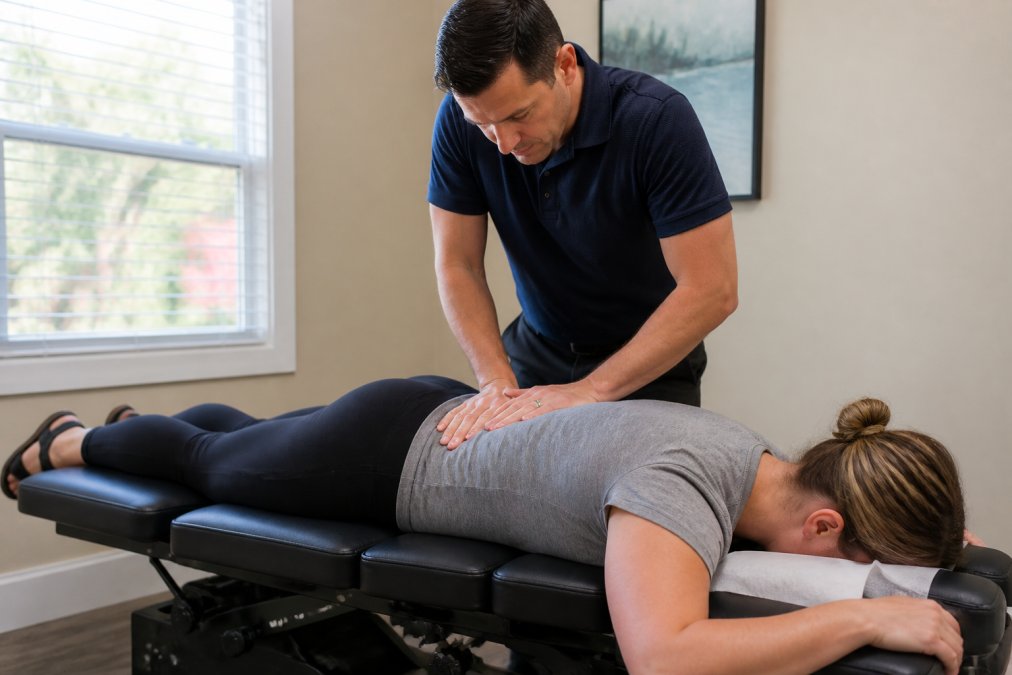
Most patients do not find chiropractic adjustments painful, describing them instead as a quick press, a release of pressure, and occasionally a popping sound. The sensation varies by technique and by how tense your muscles are walking in. At Natural Healing Arts Medical, we hear the same two questions from new patients: will it hurt, and what is that cracking noise?
The Pop, the Pressure, and the Relief
That pop has a name: cavitation. It is the audible release of gas from the joint capsule, not bone cracking against bone. Many patients feel immediate decompression and a wider range of motion. Others feel nothing dramatic at all, just a gradual easing of stiffness over the next day.
Is Chiropractic Treatment Painful? Breaking Down the Discomfort
For most people, chiropractic adjustments painful sensations are not the norm. You may feel brief pressure or a mild stretching sensation during the adjustment itself. Discomfort tends to show up in two situations: you are already in an acute pain flare, or the technique used is more aggressive than your body is ready for.
Technique-Specific Pain Profiles
Not all adjustments feel the same. A high-velocity, low-amplitude (HVLA) thrust is quick and often painless during delivery. Joint mobilization and soft tissue work move slower and can produce a dull ache in tight areas. A careful practitioner matches the technique to your condition and comfort level, which is why the same adjustment can feel completely different from one patient to the next.
| Technique | Sensation During | Typical Aftermath | Best Suited For |
|---|---|---|---|
| HVLA thrust | Quick pressure, possible pop | Mild soreness 12-24 hrs | Restricted joints, healthy discs |
| Joint mobilization | Slow stretch, low force | Minimal soreness | Acute flare-ups, older patients |
| Soft tissue work | Sustained pressure, ache | Temporary tenderness | Muscle tension, radiating pain |
Chiropractic Adjustment Side Effects: What to Expect After
The most common chiropractic adjustment side effects are mild and short-lived. A common pattern reported by practitioners is that roughly half of patients feel nothing unusual at all, while the other half notice one or more of the following within a few hours of treatment.
| Side Effect | How Common | When It Starts | How Long It Lasts |
|---|---|---|---|
| Local soreness or achiness | Most frequently reported | 2-6 hours after | 12-48 hours |
| Stiffness in the treated area | Common | Same day | 1-2 days |
| Fatigue or heaviness | Common | Within hours | Rest of the day |
| Temporary headache | Less common | Within hours | A few hours to 1 day |
| Mild muscle spasm | Less common | Same day | 1-3 days |
| Radiating ache into an arm or leg | Uncommon | During or after | Usually resolves within 24 hours |
The Anxiety Factor Most Reviews Skip
Here is the part competitors leave out: how an adjustment feels is shaped as much by your nervous system as by the technique. Anticipatory anxiety, the dread of the pop, a memory of a bad experience, or a general fear of having your neck touched, raises muscle guarding before the practitioner even makes contact. Guarded muscles resist the thrust, which makes the adjustment feel sharper and more jarring than it would on a relaxed body.
Technique-Specific Pain Profiles
Not all adjustments feel the same, and the technique matters more than the diagnosis when it comes to discomfort.
- High-velocity, low-amplitude (HVLA) thrust. A quick, targeted impulse. Most patients feel a brief press and then release. The pop, if it comes, is usually painless. Mild soreness 12-24 hours later is the typical aftermath.
- Joint mobilization. Slow, rhythmic stretching of the joint. Feels like a sustained stretch rather than a thrust. Minimal soreness, but it can produce a dull ache in chronically tight areas.
- Instrument-assisted adjustment. A small spring-loaded tool delivers a rapid but very light impulse. Many patients describe it as a tap. Often chosen for patients who are anxious, older, or in an acute flare.
- Soft tissue work. Sustained pressure on muscle and fascia. Expect tenderness during and for a day after, similar to a deep massage.
How Long Does a Chiropractic Adjustment Take?
A single adjustment takes roughly 15 to 30 minutes, including a brief assessment and soft tissue preparation. Your first visit runs longer, often 45 to 60 minutes, because it includes a health history, examination, and treatment planning.
What Is the Cost of Chiropractic Care Without Insurance?
Cash-pay chiropractic pricing varies widely by region, clinic type, and the complexity of your case. Your actual quote will depend on your specific needs and location.
| Service | Typical Self-Pay Range | Notes |
|---|---|---|
| Initial exam and consultation | $75 - $250 | Higher end includes X-rays or extended evaluation |
| Standard follow-up adjustment | $50 - $150 | The most common single-visit charge |
| Adjustment plus soft tissue or rehab | $75 - $200 | Bundled visits cost more but often replace two appointments |
| X-rays (if ordered) | $75 - $300 | Not every case needs imaging |
| Treatment package (10-12 visits) | $500 - $1,500 | Ask whether unused visits are refundable |
A few pricing realities worth knowing before you call:
- First visits often cost more than follow-ups due to the initial intake exam, history, and any imaging.
- Packages may offer a discounted per-visit price but require a commitment. It's advisable to inquire about the refund policy on unused visits in writing.
- Pricing can vary by location. If you are price-sensitive, it is fair to call a few offices and ask for their self-pay rate sheet before booking.
- Medicare Part B covers manual manipulation of the spine when it is medically necessary to correct a subluxation, but it does not cover the exam, X-rays, or maintenance visits. Confirm what is and is not covered before your first appointment.
Medicare coverage of chiropractic services
Red Flags and Safety: What Every Patient Should Know
Spinal manipulation is generally well tolerated when performed by a licensed professional after a proper examination. It is not appropriate for everyone. Contraindications include severe osteoporosis, spinal fracture, certain cancers, and active infection near the treatment site.
How to Communicate Your Comfort Level to Your Chiropractor
Speak up during treatment, not after. A good chiropractor wants to know if pressure feels too intense, if you feel radiating pain down a limb, or if you are bracing against the table. Use plain language: "That's too much," "I feel that in my leg," or "Can we slow down?"
Ask these questions at your first visit:
- Which technique are you using, and why is it right for my condition?
- What should I expect to feel during and after this adjustment?
- What outcome measures will we track to know if this is working?
- At what point would you refer me to another specialist?
American Chiropractic Association patient resources
Conclusion: Making an Informed Choice About Your Care
Pain perception is personal. Anxiety, prior bad experiences, and muscle guarding all shape how an adjustment feels, which is why the same technique can be gentle for one patient and uncomfortable for another. The right clinic adjusts to you, not the other way around.
Frequently Asked Questions
Is a chiropractic adjustment supposed to hurt?
A chiropractic adjustment should not be sharply painful, but mild discomfort is common, especially if you are already inflamed or tense. Many patients describe the sensation as a quick pressure followed by relief. If you feel sharp or radiating pain during an adjustment, tell your chiropractor immediately so they can adjust their technique. Pain intensity varies by technique, your condition, and how relaxed your muscles are at the time of the visit.
Do chiropractic adjustments actually realign your spine?
Chiropractic adjustments use spinal manipulation and joint mobilization to improve range of motion and reduce musculoskeletal tension. The audible release you hear is called cavitation, which is gas escaping from the joint capsule, not a bone snapping back into place. Research suggests adjustments can reduce pain intensity and improve function, but the idea of a permanent realignment is an oversimplification. Think of it as restoring movement, not locking your vertebrae into a new position.
How long does a chiropractic adjustment take?
The adjustment itself often takes only 10 to 20 minutes. Your first visit will be longer, usually 30 to 45 minutes, because it includes a health history, physical exam, and treatment plan discussion. Follow-up visits are typically shorter. Some patients feel relief immediately; others notice improvement over several visits. Recovery time between sessions depends on your condition, age, and how well you respond to manual therapy.
What are common chiropractic adjustment side effects?
The most common side effects are post-treatment soreness, mild fatigue, and a headache that resolves within a day. Some patients experience temporary stiffness in the adjusted area. Serious adverse effects are rare but possible, which is why a thorough exam matters. If you have osteoporosis, severe disc injuries, or certain contraindications, spinal manipulation may not be appropriate. Always share your full medical history with your provider before treatment.
How should I feel after my first chiropractic adjustment?
Many people feel immediate relief and looser movement after their first adjustment. Others feel sore for 24 to 48 hours, similar to after a workout. This post-treatment soreness usually fades on its own. Drink water, use gentle heat, and avoid heavy lifting for the rest of the day. If pain worsens or you develop numbness or radiating pain, contact your chiropractor and your primary care physician.