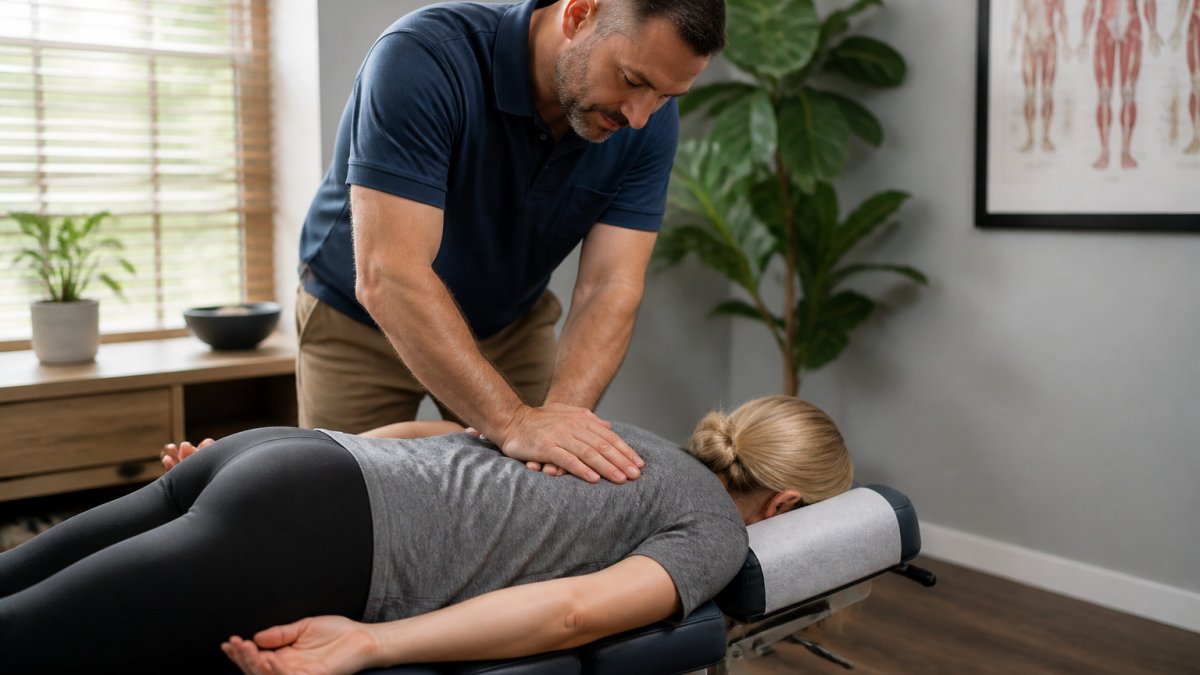
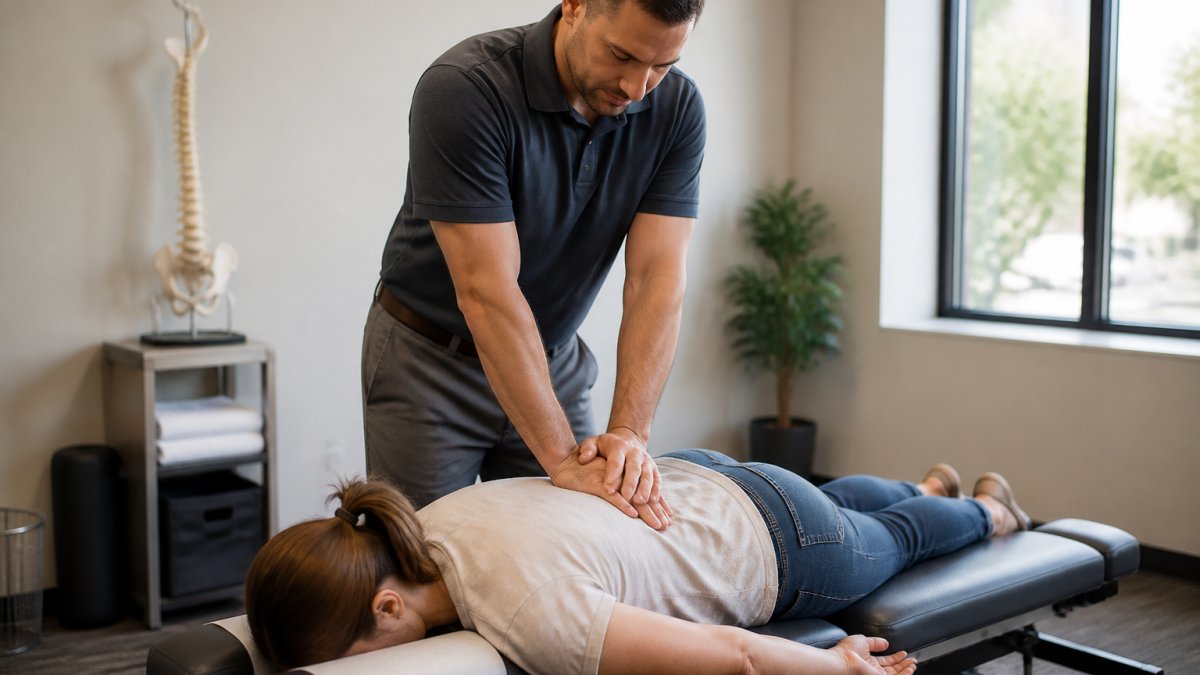
 comparison
Alternatives to Revive Family Chiropractic Care
Table of Contents
- Why People Seek Chiropractic Alternatives
- Physical Therapy and Functional Medicine Approaches
- Traditional Chinese Medicine and Acupuncture
- Osteopathic Manipulative Treatment
- Therapeutic Massage and Neuromuscular Therapy
- What Is the Cost of Chiropractic Care Without Insurance
- Chiropractic Care Red Flags to Watch For
- How to Choose the Right Wellness Approach for Your Needs
- Frequently Asked Questions
Last Updated: August 20, 2026
Why People Seek Chiropractic Alternatives
When chronic pain persists despite treatment or initial expectations don't align with results, exploring chiropractic alternatives becomes necessary. Some experience minimal improvement after multiple visits, worry about treatment sustainability, have concerns about spinal manipulation safety, or prefer combining multiple healing modalities rather than relying on a single approach.
At Natural Healing Arts Medical in Bradenton, we understand these concerns deeply. The key insight many discover is that effective pain relief often requires a holistic wellness approach rather than a single technique applied in isolation.
This article covers major chiropractic alternatives available, from physical therapy to Traditional Chinese Medicine to osteopathic care, examining what each modality offers and how to evaluate which might be right for your situation.
Physical Therapy and Functional Medicine Approaches
Physical therapy represents one of the most evidence-based alternatives to chiropractic care. Unlike chiropractic adjustment, which focuses on spinal alignment, physical therapy emphasizes restoring function through targeted exercise, movement retraining, and progressive strengthening. A physical therapist conducts a detailed biomechanical assessment, identifies movement dysfunction, and builds a customized program to address the underlying weakness or imbalance causing pain.

FYZICAL Therapy & Balance Centers in Bradenton offers personalized physical therapy programs addressing balance disorders, neurological conditions, sports injuries, and post-surgical rehabilitation. For individuals with chronic lower back pain or knee osteoarthritis, physical therapy can be particularly effective because it builds muscular support around the affected area, reducing strain on joints and nerves.
The typical physical therapy journey involves 2-3 sessions per week for 4-12 weeks, depending on severity. Each session includes hands-on treatment combined with prescribed exercises you perform both in the clinic and at home. This active participation is fundamentally different from passive chiropractic adjustment, you're actively rebuilding your body's capacity to function without pain.
Functional medicine, often practiced by MDs or DOs with additional training, takes a systems-based approach to wellness. Rather than treating isolated symptoms, functional medicine practitioners investigate how your digestive health, sleep quality, stress levels, and movement patterns interconnect. They may order specialized testing and recommend dietary changes, supplements, or lifestyle modifications alongside physical interventions.
Traditional Chinese Medicine and Acupuncture
Traditional Chinese Medicine (TCM) represents an entirely different philosophical framework for understanding pain and wellness. Rather than viewing pain as a localized mechanical problem, TCM practitioners assess the flow of qi (energy) through meridian pathways. Blockages or imbalances in this flow are believed to manifest as pain, stiffness, or dysfunction.
Acupuncture, the most widely recognized TCM modality, involves inserting thin needles at specific points to restore proper qi flow. East West Health Center in Bradenton offers acupuncture alongside complementary techniques including Tuina massage, guasha, acupressure, and cupping. These methods work synergistically to address what TCM calls the "root cause" of health issues.
The evidence for acupuncture has grown substantially over the past decade. Many patients report significant pain relief, particularly for chronic conditions that haven't responded well to other treatments. Functional imaging studies suggest acupuncture activates pain-suppressing pathways in the brain and releases endorphins.
A typical acupuncture course involves weekly or bi-weekly sessions for 4-8 weeks, though some patients see improvement within 2-3 sessions. TCM practitioners often recommend herbal formulations and dietary therapy alongside needling, creating a comprehensive wellness plan.
Osteopathic Manipulative Treatment
Osteopathic Manipulative Treatment (OMT) is performed by Doctors of Osteopathic Medicine (DOs) and represents a bridge between conventional medicine and manual therapy. While chiropractors focus primarily on spinal alignment, osteopathic physicians integrate manipulation with comprehensive medical training and diagnostic capabilities.
OMT is based on the principle that structure and function are interrelated, that restrictions in musculoskeletal mobility can impair nervous system function and overall health. An osteopathic physician uses their hands to identify areas of restricted motion, muscle tension, or fascial restriction, then applies techniques to restore mobility and optimize nervous system regulation.
Cooper Family Medical in Bradenton offers osteopathic manipulative treatment integrated with primary care services. Their board-certified physicians can address not only mechanical pain but also underlying medical conditions contributing to your symptoms. This integration is valuable for patients with complex health histories or those whose pain may be connected to systemic factors.
Therapeutic Massage and Neuromuscular Therapy
Therapeutic massage addresses pain and dysfunction through soft tissue manipulation, working with muscles, fascia, and connective tissue to reduce tension, improve circulation, and restore normal movement patterns. Unlike relaxation massage, therapeutic massage is outcome-focused and often prescribed as part of a rehabilitation program.

Neuromuscular Therapy (NMT) is a specialized form of therapeutic massage that targets trigger points, areas of chronic muscle tension that refer pain to other locations. A skilled NMT practitioner can identify that your neck pain may originate from a trigger point in your shoulder, or that your lower back pain stems from tension in your hip flexors. By releasing these points through sustained pressure and movement, NMT practitioners restore normal muscle function and eliminate referred pain patterns.
Magnolia Wellness Center in Bradenton specializes in multiple massage modalities including Swedish, deep tissue, lymphatic drainage, and cranial sacral therapy. Their licensed massage therapists work with patients on personalized treatment plans designed to address both immediate pain relief and long-term wellness maintenance.
Massage is particularly effective for patients with muscle tension-based pain, postural dysfunction, or those recovering from injury. A typical course involves weekly or bi-weekly sessions for 4-12 weeks.
What Is the Cost of Chiropractic Care Without Insurance
Understanding the financial reality of chiropractic care and its alternatives is essential for making an informed decision. Costs vary significantly based on location, practitioner experience, and condition complexity.
Chiropractic care without insurance typically ranges from moderate to high expense. A treatment plan might involve 2-3 visits per week for 4-12 weeks, which compounds quickly without insurance coverage.
Physical therapy costs similarly when pursued without insurance. However, many physical therapists offer discounted rates for uninsured patients or payment plans that spread costs over time.
Acupuncture and massage therapy often have lower per-session costs than chiropractic or physical therapy, though achieving results may require more frequent visits over a longer period.
Osteopathic manipulative treatment, when performed by a DO who also provides primary care, may be covered under your medical insurance as part of an office visit, making OMT more accessible financially than standalone chiropractic or massage therapy.
The most cost-effective approach often involves combining modalities strategically. For example, beginning with a course of physical therapy to rebuild strength, then transitioning to monthly maintenance massage, often costs less than ongoing chiropractic visits while producing more durable results.
Chiropractic Care Red Flags to Watch For
Not all chiropractic experiences are equal. Certain practices should prompt you to seek a second opinion or explore alternatives.
Red flag: A chiropractor who recommends the same adjustment for every visit without reassessing your condition or adjusting the treatment plan based on your progress.
Red flag: Pressure to commit to a long-term treatment plan (6-12 months) before assessing whether the approach is working.
Red flag: Resistance to working with your primary care physician or other specialists. The best practitioners operate within a collaborative healthcare model.
Red flag: Claims that chiropractic care can treat conditions far outside musculoskeletal health. Chiropractic has legitimate applications for pain and movement dysfunction, but it's not a cure-all.
Red flag: Excessive X-rays or advanced imaging without clear clinical justification.
Red flag: A practitioner who dismisses your concerns or doesn't listen to your feedback. Patient-centered care means your input shapes the treatment approach.
Red flag: High-pressure sales tactics around supplements, special equipment, or extended treatment packages.
Natural Healing Arts Medical has been recognized as one of America's Best Chiropractors for over a decade precisely because of their patient-centered approach, willingness to integrate with other healthcare providers, and focus on actual patient outcomes rather than visit frequency.
How to Choose the Right Wellness Approach for Your Needs
Selecting among chiropractic alternatives requires honest assessment of your specific situation. Start by clarifying what you're actually trying to achieve: pain relief, improved function, prevention of future injury, or overall wellness optimization?
Consider your condition's nature. Mechanical pain with clear postural or movement dysfunction often responds well to physical therapy or chiropractic care. Chronic pain with possible systemic components benefits from functional medicine or TCM's holistic approach. Muscle tension-based pain responds excellently to neuromuscular therapy or massage.
Evaluate your own preferences and beliefs about healing. If you're skeptical about spinal manipulation, forcing yourself into chiropractic care will undermine your commitment. If you prefer evidence-based Western medicine, functional medicine or physical therapy may feel more aligned with your worldview.
Consider practical factors: appointment availability, cost, location, and whether the practice accepts your insurance. A superior treatment modality you can't access regularly or afford will ultimately fail.
Schedule consultations with 2-3 practitioners before committing. A quality practitioner will spend time understanding your history, explain their assessment clearly, and outline a realistic plan with measurable milestones. They'll also be willing to refer you elsewhere if another modality is better suited to your needs.
Look for practitioners who take a collaborative approach. The best outcomes often come from combining modalities, perhaps physical therapy for strength building, monthly massage for maintenance, and acupuncture for pain management.
Finally, give any approach adequate time before deciding it's not working. Most conditions require 4-8 weeks of consistent treatment before meaningful improvement appears.
Choosing the right wellness approach is ultimately about finding a practitioner and modality that addresses your specific needs while aligning with your values and preferences. Natural Healing Arts Medical specializes in comprehensive chiropractic care and surgery-free treatments for conditions like knee osteoarthritis using viscosupplementation, backed by flexible payment plans and a commitment to patient-centered care. Whether you pursue chiropractic care, physical therapy, acupuncture, or another modality, the key is selecting a practitioner who listens, measures outcomes, and adjusts their approach based on your actual results. The American Physical Therapy Association provides resources for finding qualified physical therapists. Schedule a consultation to discuss your specific situation and explore which approach might work best for your wellness goals.
Frequently Asked Questions
What are the main red flags when choosing a chiropractor?
Watch for practitioners who recommend extensive treatment plans upfront without a thorough clinical assessment, use high-pressure sales tactics, or refuse to explain their approach. Avoid providers who claim to treat conditions outside their scope of practice, offer guarantees of cures, or discourage you from seeing other healthcare providers. A quality practitioner will conduct a detailed patient intake, explain findings clearly, and adjust treatment based on your progress and feedback.
What is the cost of chiropractic care without insurance?
Costs vary significantly based on location, practitioner experience, and treatment complexity. Initial consultations and X-rays may range from $100 to $300, while individual adjustment sessions typically cost $30 to $200. Treatment plans vary in length and frequency. Many practitioners offer flexible payment plans or sliding scale fees for uninsured patients. Contact local providers directly for current pricing, as costs depend on your specific condition and treatment needs.
Are there non-invasive alternatives to chiropractic adjustments for chronic pain?
Yes, several evidence-based options exist. Physical therapy focuses on strengthening and corrective exercises to address root causes. Acupuncture targets pain through nervous system regulation based on Traditional Chinese Medicine principles. Osteopathic manipulative treatment uses gentle manual techniques integrated with primary care. Therapeutic massage, including neuromuscular therapy, addresses muscle tension and tissue restrictions. These approaches often work best as part of a holistic wellness plan tailored to your specific condition.
How do I know which alternative therapy will work best for my condition?
Start with a clinical assessment from a qualified healthcare provider who will evaluate your symptoms, medical history, and specific condition. Discuss your goals and any previous treatments you've tried. Some conditions respond better to certain modalities, for example, balance issues may benefit from physical therapy, while chronic muscle tension might improve with massage therapy. A patient-centered approach means the practitioner listens to your concerns and adjusts treatment based on your progress and preferences.