 ultimate-guide
Chiropractic Care for Auto Accident Injuries: Recovery Guide
Table of Contents
- Common Injuries After a Car Accident
- How Long Does It Take to Recover from Whiplash
- What to Expect During Your First Chiropractic Visit
- How Chiropractic Care Aids Recovery After Auto Injuries
- Does Auto Insurance Cover Chiropractic Care
- Chiropractic Documentation for Personal Injury Claims
- Post-Treatment Rehabilitation and Long-Term Recovery
- Frequently Asked Questions
Last Updated: August 6, 2026
Common Injuries After a Car Accident
Car accidents cause injuries that often extend beyond what's immediately visible. Impact forces damage soft tissues, joints, and nerves in ways that don't show on standard X-rays. Many victims don't realize the full extent of their injuries until days or weeks later, when pain and stiffness develop.
Common post-accident injuries include whiplash, where sudden head and neck movement damages the cervical spine and surrounding tissues. Lower back injuries strain muscles, ligaments, and discs, with herniated discs particularly concerning because they compress nerves and cause radiating leg pain. Soft-tissue damage to shoulders, knees, and hips limits range of motion and causes chronic pain if untreated. Inflammation develops naturally but can become entrenched without proper early treatment.
Seeking evaluation and treatment promptly prevents long-term complications. Even if you feel relatively okay immediately after the accident, a thorough assessment by a qualified healthcare provider identifies injuries that might cause problems months later. This is especially important for insurance documentation and personal injury claims, as medical records created shortly after the accident carry more weight than those filed later.
How Long Does It Take to Recover from Whiplash
Recovery time from whiplash varies depending on injury severity and how quickly treatment begins. Most mild to moderate cases show meaningful improvement within 6 to 12 weeks with appropriate care. Some individuals experience symptoms that persist longer, particularly when treatment is delayed or the initial injury was severe.
Several factors affect recovery timeline: the force of impact (higher-speed collisions cause more damage), your age and overall health, and pre-existing neck or spine conditions. Most importantly, starting treatment early significantly accelerates healing compared to waiting weeks before seeking care.
Acute symptoms in the first few days include sharp pain, stiffness, and reduced neck and shoulder range of motion. These often improve within 2-3 weeks as inflammation subsides, but underlying soft-tissue healing continues much longer. Proper treatment during this period prevents scar tissue formation that causes chronic pain.
Some whiplash cases develop into chronic conditions if not properly managed. Post-traumatic headaches, persistent neck pain, and neurological symptoms can linger for months or years. Comprehensive treatment addressing both initial trauma and underlying biomechanical issues is essential. Treatment typically includes spinal adjustments, soft-tissue therapy, and rehabilitation exercises designed to restore normal function and prevent recurrence.
What to Expect During Your First Chiropractic Visit
Your first visit focuses on comprehensive evaluation and creating a personalized treatment plan. The appointment begins with detailed accident history, including impact direction, vehicle speeds, and symptoms since the collision. This helps the chiropractor understand the forces involved and predict which structures were injured.
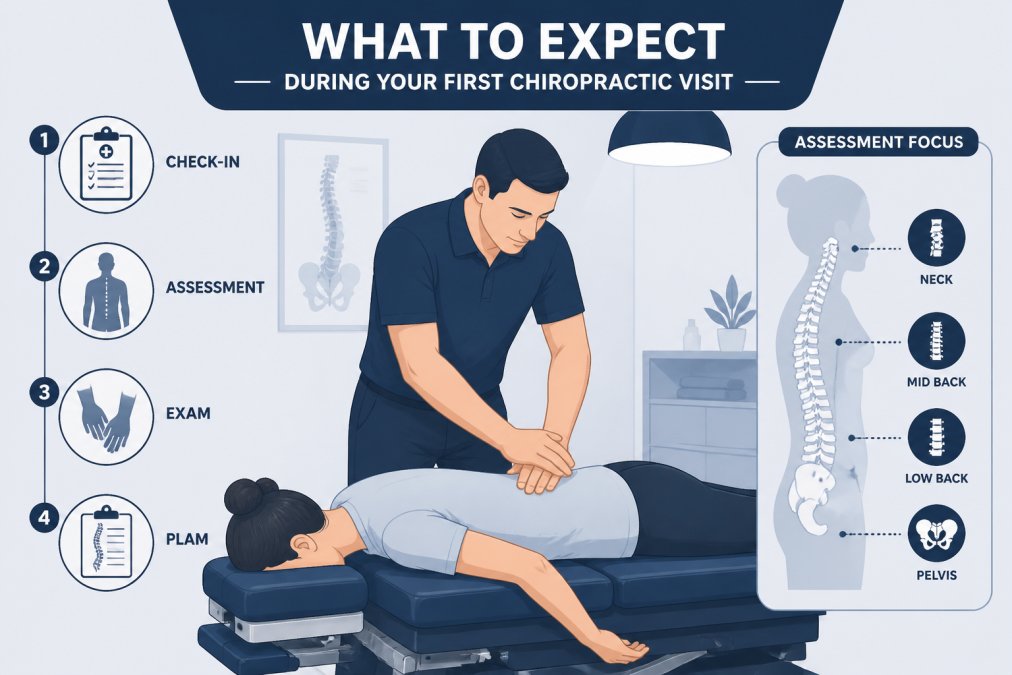
Physical examination includes orthopedic and neurological testing to assess range of motion, strength, and nerve function. The chiropractor palpates your spine to identify misalignment or restriction. Diagnostic imaging such as X-rays or MRI may be ordered to evaluate damage to discs, joints, and soft tissues, creating a baseline for measuring progress.
Natural Healing Arts Medical takes a comprehensive approach, evaluating not just obvious injury sites but how the accident affected your overall biomechanics. Dr. David Zamikoff and the team focus on understanding your specific condition rather than applying generic protocols. Two accident victims with similar injuries may have different underlying problems requiring different treatment strategies.
The chiropractor will explain findings clearly, showing you exactly what injuries were identified. They'll discuss the proposed treatment plan, including care types, visit frequency, and realistic improvement timelines. This is your opportunity to ask questions and address concerns. A good chiropractor listens to your specific concerns and adjusts the plan accordingly.
How Chiropractic Care Aids Recovery After Auto Injuries
Chiropractic care addresses root causes of post-accident pain rather than simply masking symptoms. Car accidents often cause vertebrae to misalign (subluxation), restricting joint mechanics and irritating nerves. Spinal adjustments restore proper alignment, reducing nerve compression and allowing normal function to resume.
Soft-tissue injuries require equal attention. Muscles, ligaments, and tendons surrounding your spine and joints sustain trauma during accidents. Trigger point therapy, therapeutic massage, and other soft-tissue techniques reduce inflammation, break up scar tissue, and restore flexibility. Comprehensive treatment combines joint adjustment with soft-tissue care for optimal results.
Flexion-distraction is a specialized technique particularly effective for herniated discs and nerve compression. This gentle traction method creates space between vertebrae, reducing nerve pressure and allowing discs to return to normal position. Unlike aggressive manipulation, it's controlled and precise, suitable for acute injuries. Many accident victims with radiating leg pain experience significant relief.
Recovery involves multiple phases. The acute phase reduces inflammation and protects injured structures. The subacute phase restores range of motion and begins rehabilitation. The chronic phase addresses remaining restrictions and prevents recurrence. Natural Healing Arts Medical structures treatment to progress systematically through these phases, adjusting based on your response.
Physical therapy during treatment is critical for lasting recovery. Specific exercises restore strength to stabilizer muscles, improve proprioception, and prevent future injury. Your chiropractor teaches exercises to perform at home, where most healing occurs. Consistency with home exercises often determines whether recovery is quick or prolonged.
Does Auto Insurance Cover Chiropractic Care
Auto insurance coverage for chiropractic care varies by policy and state regulations. Most comprehensive auto insurance policies include coverage for medically necessary chiropractic treatment following an accident, though extent varies. Some policies cover chiropractic under medical payments; others require billing through personal health insurance.
Medical necessity is the critical factor. Your chiropractor must document that treatment addresses injuries directly caused by the accident. Comprehensive evaluation and clear documentation establish this connection, which insurance companies require before approving payment. Treatment beginning within 72 hours of the accident is more likely approved than treatment delayed weeks or months.
Contact your insurance company before treatment to ask about coverage limits, deductibles, and pre-authorization requirements. Some policies require approval before treatment; others handle authorization afterward. Knowing these details prevents unexpected bills and maximizes coverage.
Personal injury protection (PIP) coverage, available in many states, often covers chiropractic care regardless of fault. This coverage pays for necessary medical treatment quickly, without waiting for liability determination. If you have PIP coverage, it may provide faster payment than the at-fault driver's insurance. Natural Healing Arts Medical accepts most health insurance plans and Medicare, and office staff can help navigate insurance questions and coordinate billing.
Chiropractic Documentation for Personal Injury Claims
Comprehensive medical documentation is essential if pursuing a personal injury claim following an auto accident. Insurance adjusters and attorneys rely on detailed medical records to establish injury severity and treatment necessity. Poor documentation significantly reduces claim value, even with serious injuries. Choosing a chiropractor who maintains thorough records is crucial.
Documentation should include detailed initial evaluation notes with mechanism of injury, symptom history, and physical examination and imaging findings. Each treatment visit should document current symptoms, examination findings, specific treatment provided, and your response to care. Progress notes track improvements in range of motion, pain levels, and functional abilities. This creates a clear injury and recovery narrative supporting your claim.
Diagnostic imaging is particularly important for claim documentation. X-rays and MRI results provide objective structural damage evidence, which carries more weight than subjective symptom descriptions. Herniated discs, joint misalignment, or other structural problems documented in imaging reports strengthen claims significantly. Insurance adjusters take structural damage more seriously than soft-tissue injuries alone.
When your case involves a personal injury claim, communication between your chiropractor and attorney is valuable. Your attorney can provide guidance on documentation needs specific to your case. Natural Healing Arts Medical has experience with accident injury cases and provides detailed documentation necessary to support your claim.
Post-Treatment Rehabilitation and Long-Term Recovery
Recovery doesn't end when formal chiropractic treatment concludes. The rehabilitation phase builds lasting recovery and prevents future injury, emphasizing muscle strengthening, flexibility improvement, and normal movement pattern restoration. Many accident victims experiencing recurrent pain years later neglected this phase, allowing weakness and dysfunction to persist.

Home exercise programs are recovery's foundation. Your chiropractor prescribes specific exercises targeting injured areas, performed consistently several times weekly to build lasting strength and flexibility. Consistency matters more than intensity; daily correct performance produces better results than occasional intense sessions.
Ergonomic modifications in daily life prevent re-injury and support long-term recovery. Proper desk setup reduces neck and back stress; proper body mechanics in physical labor prevents compensatory strain. Many accident victims develop chronic pain from poor posture and movement habits adopted during recovery, not the original injury. Daily body mechanics awareness is as important as formal exercise.
Complete recovery extends beyond your last chiropractic visit. Soft tissues continue remodeling for months after treatment ends. Proprioception continues improving as you practice proper movement patterns. Most accident victims experience dramatic improvement in the first 3-6 months, with subtle improvements continuing 6-12 months or longer.
Some accident victims experience occasional pain flare-ups months or years after injury. These don't necessarily indicate returning injury; they often result from stress, poor posture, or overactivity temporarily irritating healing tissues. Knowing how to manage flare-ups, rest, ice, gentle stretching, temporary activity modification, prevents them from becoming chronic problems. Many benefit from periodic chiropractic "tune-up" visits addressing minor issues before they develop into significant problems.
Long-term prevention is rehabilitation's ultimate goal. Restoring proper spinal alignment, building muscular strength, and establishing healthy movement patterns reduce chronic pain and future injury risk. Accident victims completing rehabilitation and maintaining good habits typically enjoy years of pain-free function. Those skipping rehabilitation or returning to poor habits often experience recurrent problems.
Auto accident injuries demand prompt, comprehensive treatment to prevent lasting complications. The soft-tissue damage, joint misalignment, and nerve compression resulting from motor vehicle accidents require specialized care to heal properly. Natural Healing Arts Medical, led by Dr. David Zamikoff, specializes in chiropractic care for auto accident injuries, with expertise in spinal adjustment, soft-tissue therapy, and rehabilitation planning. If you've been injured in a car accident, schedule an appointment to begin your recovery with a comprehensive evaluation and personalized treatment plan designed to restore your health and mobility.
Frequently Asked Questions
Is it a good idea to see a chiropractor after a car accident?
Yes. Chiropractic care after a motor vehicle accident addresses soft-tissue damage, joint mechanics disruption, and inflammation that may not show up on initial medical imaging. Early treatment helps prevent acute injury from becoming chronic pain. A chiropractor can assess cervical spine alignment, detect herniated discs, and begin rehabilitation before symptoms worsen. However, if you have severe injuries or neurological symptoms, see a physician first to rule out fractures or serious trauma.
How soon after a car accident should I see a chiropractor?
Ideally within 72 hours of the accident. Some whiplash and soft-tissue injuries develop symptoms over days or weeks, so don't wait until pain is severe. Early diagnostic imaging and spinal assessment can identify injuries before they cause chronic pain. The sooner you begin treatment, the faster your post-accident recovery typically progresses. If you experience immediate pain, numbness, or neurological symptoms, seek emergency care first.
How is chiropractic documentation used in personal injury claims?
Medical records from your chiropractor, including diagnostic imaging, treatment plans, progress notes, and range-of-motion assessments, serve as evidence of your injury severity and treatment necessity. This documentation supports your personal injury claim by establishing causation between the auto collision and your symptoms. Insurance companies and legal counsel rely on detailed chiropractic records to evaluate claim value. Consistent, thorough documentation from your visits strengthens your position in settlement negotiations.
Can untreated whiplash cause long-term problems?
Yes. Untreated whiplash can lead to chronic neck pain, persistent headaches, reduced range of motion, and long-term nerve compression issues. Some patients develop post-traumatic arthritis in the cervical spine years after an accident. Early intervention through spinal adjustment, soft-tissue therapy, and rehabilitation reduces the risk of chronic complications. Delaying treatment allows inflammation and biomechanical misalignment to become entrenched, making recovery slower and more difficult.