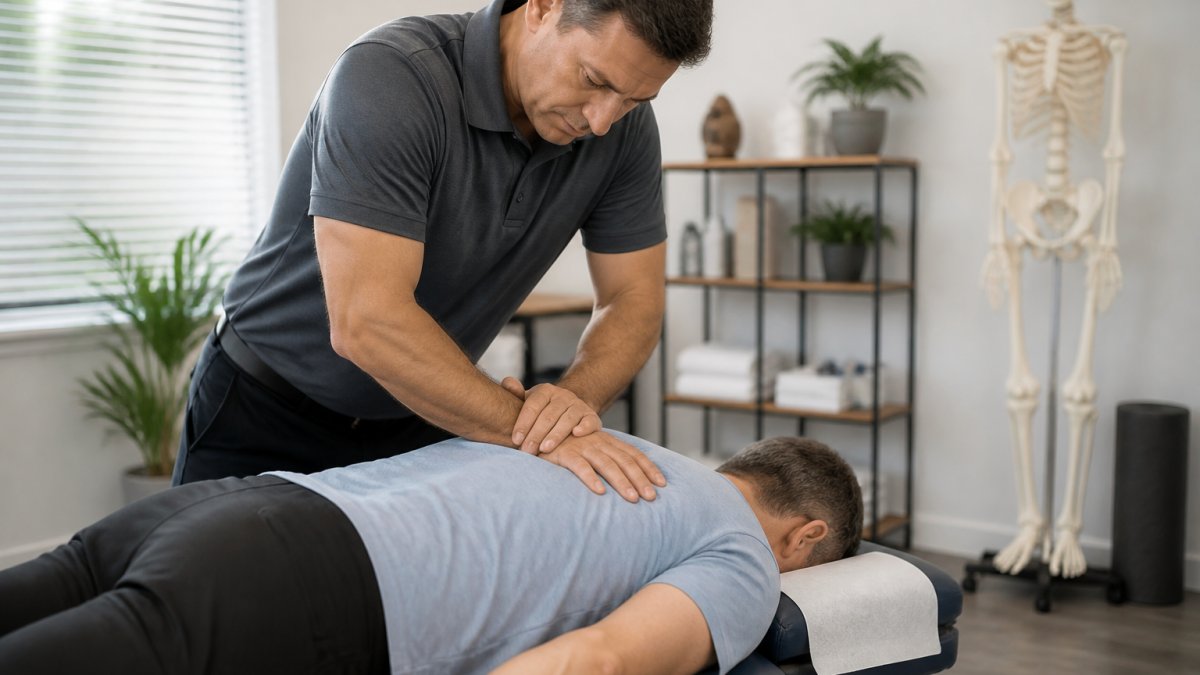
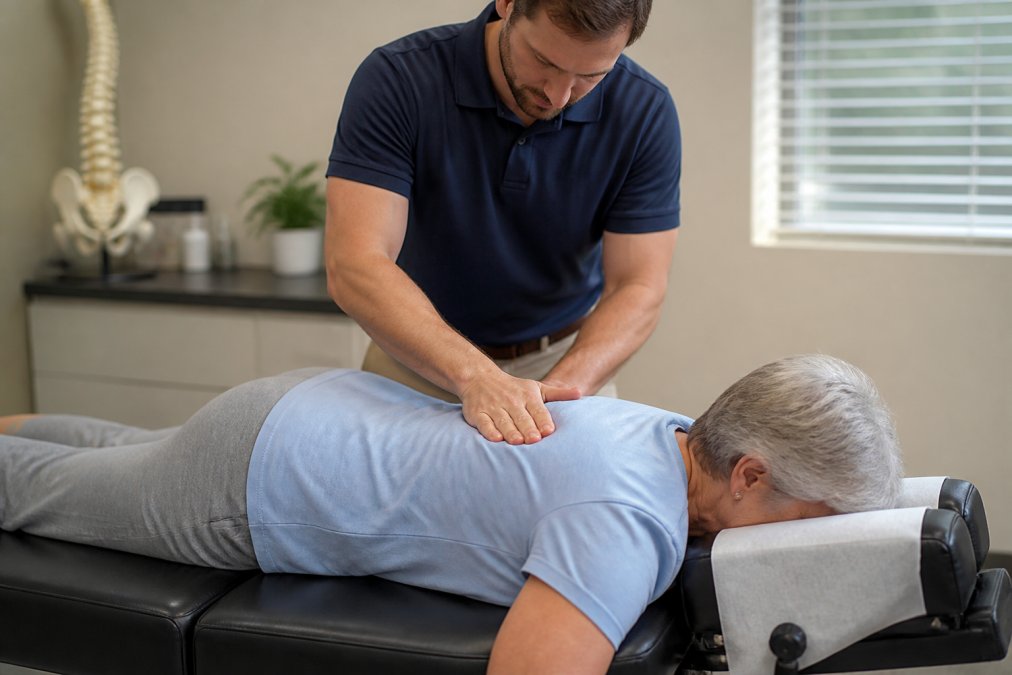
 ultimate-guide
Is Chiropractic Care Safe for Seniors?
Table of Contents
- Is Chiropractic Care Safe for Seniors? A Clinical Overview
- Common Conditions Treated in Seniors
- How Adjustments Are Adapted for Aging Spines
- Risks and Contraindications for Older Adults
- How Many Chiropractic Visits Are Needed
- Chiropractic Care for Mobility and Balance in Seniors
- Medicare Coverage for Chiropractic Services
- Post-Adjustment Recovery and Home Care
- Frequently Asked Questions
Last Updated: September 4, 2026
Is Chiropractic Care Safe for Seniors? A Clinical Overview
Chiropractic care for seniors is generally safe when performed by a licensed practitioner who conducts a thorough risk assessment. The aging spine presents unique anatomical considerations, reduced bone density, degenerative changes, requiring individualized treatment rather than a one-size-fits-all approach. This guide explains how modern chiropractic practice adapts spinal manipulative therapy for geriatric patients, what conditions it addresses, and when it should be avoided.
Safe chiropractic practice for seniors begins with comprehensive evaluation of patient history, medications, and diagnostic imaging. Licensed practitioners emphasize gentle adjustments over forceful manipulations, allowing many seniors to improve mobility and quality of life without surgical or medication risks.
Common Conditions Treated in Seniors
Seniors most frequently seek chiropractic care for chronic pain management related to arthritis, degenerative disc disease, and spinal stenosis. Joint stiffness and reduced range of motion from years of wear and tear respond well to gentle adjustments that restore proper joint mechanics. Musculoskeletal health concerns like these are among the leading reasons older adults visit chiropractors, according to the National Center for Complementary and Integrative Health, which tracks clinical research on spinal manipulation.
Low back pain is the most common complaint, followed by neck pain, headaches, and balance issues. Spinal alignment influences proprioception, the body's awareness of its position in space, which directly affects fall risk and mobility. Natural Healing Arts Medical offers surgery-free treatments like viscosupplementation using Hyalgan to complement chiropractic care for lower body joint pain.
Treatment plans for older adults target functional independence, maintaining the ability to walk, bend, reach, and perform daily activities without pain. Preventative care through regular adjustments can slow age-related progression and keep seniors active longer.
How Adjustments Are Adapted for Aging Spines
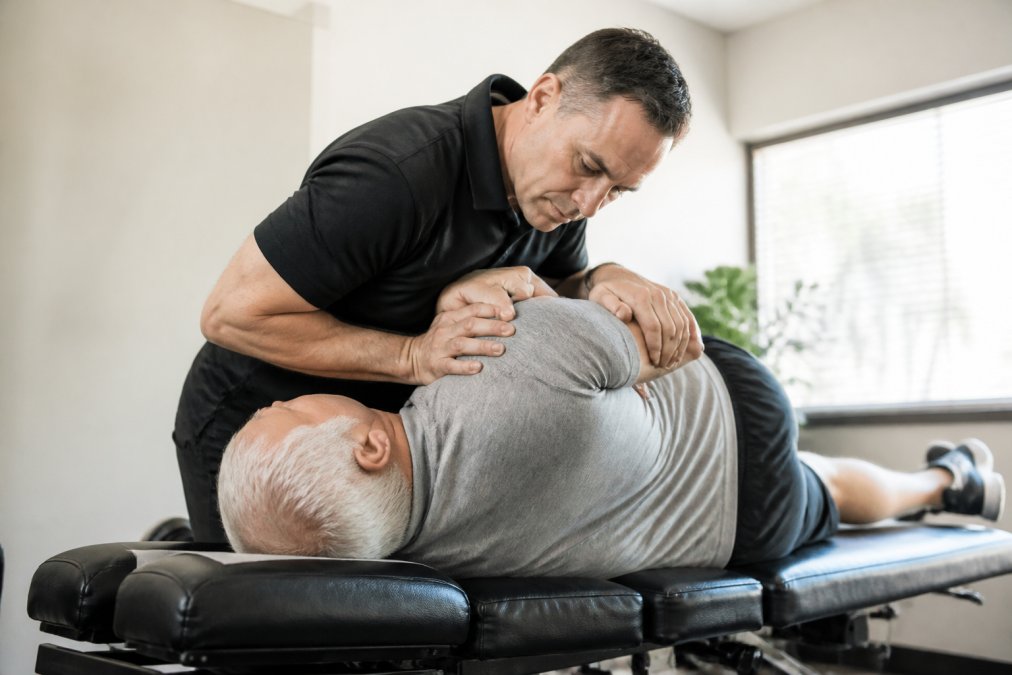
Spinal manipulative therapy for seniors differs significantly from techniques used on younger patients. Licensed practitioners employ low-force or instrument-assisted methods that reduce stress on osteoporotic bones. The Activator method and flexion-distraction techniques are common alternatives to manual twisting or high-velocity thrusts.
Pre-Adjustment Diagnostic Screening
Before any adjustment, a responsible practitioner conducts a structured pre-screening process to identify contraindications and tailor the approach. This typically includes:
- Medical history review: Complete documentation of prior surgeries, spinal conditions, stroke, aneurysm, or blood vessel disorders that increase vertebral artery dissection risk with cervical manipulation
- Bone density assessment: Discussion of osteoporosis diagnosis, DEXA scan results if available, or clinical risk factors (age over 70, female sex, corticosteroid use) that warrant gentler techniques or mobilization instead of manipulation
- Imaging evaluation: Review of existing x-rays, MRI, or CT scans to identify vertebral fractures, spinal cord compression, or metastatic cancer, conditions that contraindicate manipulation entirely
- Medication review: Identification of anticoagulants (warfarin, apixaban), bisphosphonates, or other drugs that affect bone quality or bleeding risk
- Neurological screening: Brief assessment for unexplained weight loss, fever, progressive neurological symptoms, or bowel/bladder dysfunction that may indicate cauda equina syndrome or infection
Technique Modification Based on Individual Factors
Safe chiropractic care for seniors means modifying force, speed, and joint positioning based on individual bone density and spinal health. A patient with osteoporosis may receive mobilization instead of manipulation; one with degenerative disc disease might benefit from traction-based techniques that decompress the spine rather than rotate it.
Common technique modifications for older adults include:
- Low-force adjustments: Reduced velocity and amplitude compared to standard manipulation, minimizing stress on fragile vertebrae
- Instrument-assisted techniques: Tools like the Activator deliver controlled, reproducible force without the variability of manual thrusts
- Flexion-distraction: A motorized table that gently stretches the spine, decompressing discs and nerve roots without twisting
- Mobilization: Slow, passive movement through the joint's range of motion, used when manipulation is contraindicated
- Soft tissue therapy: Massage and myofascial release to reduce muscle guarding before attempting joint adjustment
Clinical guidelines from organizations like the American Geriatrics Society emphasize that treatment plans for older adults should integrate chiropractic care with physical therapy and other conservative approaches. A practitioner should explain which technique they plan to use and why it is appropriate for your specific condition and bone health status.
Risks and Contraindications for Older Adults
Certain conditions make spinal manipulation inadvisable. Severe osteoporosis is the primary contraindication for high-velocity adjustments due to vertebral fracture risk. Patients with vertebral artery dissection history, spinal cord compression, or cervical inflammatory arthritis should also avoid manipulation.
The most serious but rare complication of neck manipulation is vertebral artery injury, making thorough risk assessment essential. A responsible practitioner reviews complete medical history, including stroke or transient ischemic attack history, and ensures informed consent before treatment.
Other contraindications include metastatic bone cancer, active spinal infection, and cauda equina syndrome. Patients on anticoagulants or with severe spinal instability need careful evaluation. A licensed practitioner should recognize when chiropractic care is inappropriate and refer to the correct specialist.
How Many Chiropractic Visits Are Needed
The number of visits needed varies by condition severity and duration. Acute low back pain often improves within four to six visits over two to three weeks. Chronic conditions like arthritis typically require a longer initial phase followed by maintenance.
A typical treatment plan might look like this:
- Initial phase (2-4 weeks): Two to three visits per week for pain relief and initial joint mobilization
- Corrective phase (4-8 weeks): One to two visits per week to stabilize improvements and strengthen supporting muscles
- Maintenance phase (monthly or quarterly): One visit every three to six weeks to prevent recurrence and maintain mobility
Response to treatment is highly individual. A practitioner should reassess progress regularly and adjust the plan accordingly. If no improvement occurs within four to six visits, thorough re-evaluation including possible imaging or specialist referral is warranted.
| Condition | Typical Initial Phase | Visits Per Week | Maintenance |
|---|---|---|---|
| Acute low back pain | 2-3 weeks | 2-3 | As needed |
| Chronic neck pain | 4-6 weeks | 1-2 | Monthly |
| Osteoarthritis-related stiffness | 6-8 weeks | 1-2 | Quarterly |
| Balance and mobility issues | 4-6 weeks | 2 | Monthly |
Chiropractic Care for Mobility and Balance in Seniors
Chiropractic care for mobility and balance addresses musculoskeletal factors contributing to falls, a leading cause of injury and lost independence in older adults. Gentle adjustments improve range of motion and joint proprioception, the nervous system's awareness of body position, which directly supports better balance and confidence.
The Mobility-Pain-Isolation Cycle
Chronic pain and reduced mobility create a psychological and social spiral that many seniors experience but few treatment discussions address directly. When pain limits movement, seniors often reduce physical activity to avoid discomfort. This leads to muscle weakness, further stiffness, and increased fall risk. Over time, the fear of falling or the embarrassment of needing help often leads to social withdrawal and isolation. Research from the National Institute on Aging recognizes that maintaining mobility and balance is critical for healthy aging, but the emotional dimension is equally important.
Seniors with chronic pain report higher depression and anxiety rates. Inability to walk, climb stairs, or participate socially creates lost independence. Chiropractic care breaks this cycle by restoring pain-free movement, improving psychological well-being and social engagement.
Restoring Function and Confidence
Chiropractic care works best combined with strength training and balance exercises. Home exercises reinforce adjustments and build muscle support for stable movement while rebuilding confidence in the body's ability to move safely.
Common mobility improvements seniors report include increased walking distance, improved ability to rise from a chair, better reach and bending, reduced fear of falling, and greater social participation. These functional gains directly translate to quality of life and psychological well-being.
Interdisciplinary Coordination for Optimal Outcomes
Chiropractic care works best when coordinated with primary care physicians, geriatricians, and physical therapists. A chiropractor who communicates with your other healthcare providers ensures the treatment plan aligns with overall health goals and does not conflict with other therapies. When your chiropractor asks permission to communicate with your other doctors, that signals a patient-centered practice prioritizing safety and coordinated care.
Medicare Coverage for Chiropractic Services
Medicare Part B covers manual spinal manipulation to correct subluxation (vertebral misalignment) when medically necessary, with patients responsible for 20% coinsurance after meeting the deductible. Coverage excludes x-rays, physical therapy, and other services unless separately covered. Seniors should verify coverage with their specific plan, as Medicare Advantage may offer additional benefits. Many practices accept Medicare and offer flexible payment plans for uncovered services.
Post-Adjustment Recovery and Home Care
Mild soreness for 24 to 48 hours after adjustment is normal. Warm compresses and gentle activity ease discomfort. Home care includes prescribed stretches or exercises to reinforce adjustments and prevent joint restriction. Hydration is important, as spinal discs require adequate fluid to maintain shock-absorbing properties.
Avoid returning to full activity immediately after adjustment. Give the body time to adapt, especially in the first week. If coming from a sedentary lifestyle, muscles may need time to strengthen around newly mobilized joints.
Deciding whether chiropractic care is safe for you or a loved one starts with an honest conversation about medical history, current medications, and specific health concerns. The right provider conducts a thorough evaluation, explains the risks and benefits clearly, and adapts every treatment to your individual needs. At Natural Healing Arts Medical, Dr. David Zamikoff and the team specialize in gentle, patient-first chiropractic care for seniors, including surgery-free options for knee osteoarthritis and personalized treatment plans that restore mobility and freedom of movement. Schedule an appointment to discuss whether chiropractic care fits your health goals.
Frequently Asked Questions
Can an 80-year-old person receive chiropractic treatment safely?
Yes, older adults including those in their 80s can receive chiropractic care when properly evaluated. A licensed practitioner performs a thorough risk assessment, including patient history and diagnostic screening, before treatment. Adjustments are modified to account for age-related changes like reduced bone density and osteoporosis. However, certain conditions such as severe osteoporosis, vertebral artery disease, or spinal instability may contraindicate treatment. A qualified chiropractor will determine whether care is appropriate based on individual health status.
How many chiropractic visits are needed for seniors to see improvement?
The number of visits varies depending on the condition, severity, and individual response to treatment. Acute conditions may require fewer visits over 2-4 weeks, while chronic pain management typically involves a longer treatment plan. Your chiropractor develops a personalized plan after the initial evaluation. Regular reassessment helps determine whether to continue, modify, or conclude treatment. Insurance coverage and Medicare may also influence the recommended frequency and duration.
Is chiropractic care covered by Medicare for seniors?
Medicare Part B covers chiropractic care, but only spinal manipulative therapy (SMT) performed by a licensed chiropractor to treat subluxation of the spine. Coverage is limited to medically necessary services, subject to the annual deductible and coinsurance. The treatment must be medically necessary and documented in the patient's clinical record. Medicare does not cover other chiropractic services such as X-rays, massage, or nutritional counseling. Verify current coverage details with Medicare or your supplemental insurance plan.
What are the main risks of chiropractic care for seniors?
Potential risks include temporary soreness, headache, or fatigue after adjustment. Serious complications are rare but may include vertebral artery dissection, nerve compression, or spinal cord injury, particularly in patients with osteoporosis, bone metastases, or cervical spine instability. Age-related conditions such as degenerative disc disease and spinal stenosis require careful evaluation. A thorough patient history, imaging, and clinical guidelines help identify contraindications. Licensed practitioners use evidence-based risk assessment protocols to minimize harm.
How does chiropractic care improve mobility and balance in older adults?
Chiropractic care addresses joint stiffness and reduced range of motion by restoring spinal and joint function through gentle adjustments and spinal manipulative therapy. Improved mobility reduces fall risk and enhances functional independence. Treatment often includes exercises and lifestyle modifications that strengthen supporting muscles. Better spinal alignment and pain relief allow seniors to remain more active, which supports balance, coordination, and overall quality of life. Interdisciplinary coordination with physical therapy amplifies these benefits.