 ultimate-guide
Chiropractic Wellness Care Plans: What You Need to Know
Table of Contents
- What Is a Chiropractic Wellness Care Plan?
- Chiropractic Wellness vs. Corrective Care: Understanding the Difference
- How Health Insurance Covers Chiropractic Care
- Chiropractic Membership Cost and Payment Options
- Chiropractic Maintenance Schedule and Treatment Frequency
- Benefits of Regular Adjustments and Long-Term Wellness
- Plan Flexibility, Cancellation, and When to Reassess
- Conclusion
- Frequently Asked Questions
Last Updated: August 14, 2026
What Is a Chiropractic Wellness Care Plan?
A chiropractic wellness care plan is a structured program of regular adjustments and preventative treatments designed to maintain spinal health, support nervous system function, and prevent future injury or pain. Unlike corrective care that addresses existing pain or dysfunction, a chiropractic wellness care plan focuses on long-term health maintenance through consistent, proactive treatment.
These plans typically involve scheduled visits at regular intervals, often weekly, biweekly, or monthly, depending on your individual health goals and current condition. The frequency and duration are personalized based on your lifestyle, work environment, and health history. Many people discover that consistent preventative maintenance visits help them avoid the need for more intensive corrective care down the road.
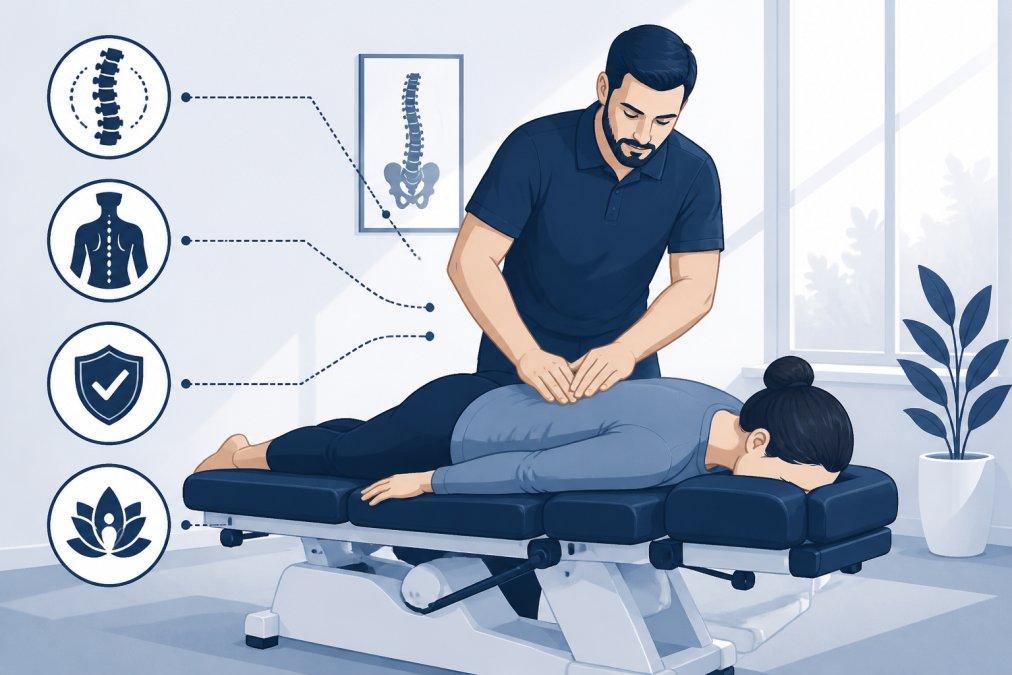
At Natural Healing Arts Medical in Bradenton, we work with patients to develop chiropractic wellness care plans tailored to their specific needs. Whether you're recovering from an injury or simply want to optimize your spinal health and mobility, a wellness plan creates accountability and consistency. The key difference from one-off visits is that you're committing to a schedule designed to keep problems from developing in the first place.
Wellness care recognizes that your spine and nervous system require ongoing attention, much like your teeth benefit from regular dental cleanings. Regular adjustments help maintain proper spinal alignment, reduce muscle tension, and support your body's natural ability to function at its best. This preventative approach often leads to fewer emergency visits and a better quality of life overall.
Chiropractic Wellness vs. Corrective Care: Understanding the Difference
The distinction between chiropractic wellness care and corrective care is fundamental to understanding your treatment options. Corrective care addresses existing pain, dysfunction, or injury with higher-frequency visits designed to restore normal function. Wellness care, by contrast, maintains health and prevents problems through lower-frequency, long-term maintenance visits.
Corrective care typically involves more frequent appointments, sometimes 2-3 times per week, during an active treatment phase. The goal is to correct spinal misalignments, reduce inflammation, and address the underlying cause of your pain. This phase usually lasts weeks to months, depending on the severity of your condition. Common reasons for corrective care include whiplash from auto accidents, disc injuries, chronic lower back pain, or acute neck pain from poor posture.
Once corrective care achieves its goals and your pain resolves, many chiropractors recommend transitioning to a chiropractic wellness care plan. This shift moves you from a treatment-focused approach to a maintenance-focused one. Wellness visits are typically spaced further apart, weekly to monthly, and cost less per visit since they require less intensive assessment and treatment.
The real value of understanding this difference is recognizing that corrective care and wellness care serve different purposes at different times. You might need corrective care after an injury, but wellness care prevents future injuries and maintains the progress you've made. Some patients alternate between the two: intensive corrective care when problems arise, then wellness maintenance to prevent recurrence.
How Health Insurance Covers Chiropractic Care
Health insurance coverage for chiropractic care varies significantly depending on your plan, your state, and the specific services you receive. Many insurance plans do cover chiropractic adjustments, though coverage often comes with limitations on the number of visits per year or requirements for medical necessity documentation.
To understand your coverage, you'll need to review your insurance policy or contact your insurance provider directly. Most plans require that chiropractic care be medically necessary, meaning it treats a diagnosed condition rather than purely preventative wellness. This distinction matters: your insurance may cover corrective care for a documented injury but not cover routine wellness maintenance visits.
Some insurance plans require a referral from your primary care physician before they'll cover chiropractic services. Others allow direct access to chiropractors without a referral. A few plans have no chiropractic coverage at all. The best approach is to call your insurance company and ask specifically about your coverage limits, copay amounts, and any pre-authorization requirements.
Medicare coverage for chiropractic care is limited to spinal manipulation for subluxation (misalignment). Medicare covers these services when performed by a licensed chiropractor, though the number of covered visits may be limited. If you're on Medicare, verify your specific coverage before beginning treatment.
Chiropractic Membership Cost and Payment Options
Since research data on specific pricing is limited, we recommend contacting Natural Healing Arts Medical directly for current pricing information on chiropractic wellness care plans. Costs vary based on the frequency of visits, the complexity of your condition, and the specific services included in your plan.
Many chiropractic offices offer several payment models to make care accessible:
Auto-debit membership plans allow you to pay a set monthly fee for a predetermined number of visits. This model works well for patients committed to regular wellness care, as it spreads costs evenly across the year. These plans often provide a discount compared to paying per visit.
Per-visit pricing means you pay for each appointment individually. This option offers flexibility if you're uncertain about your long-term commitment or if your schedule is unpredictable.
Insurance-based billing routes charges through your health insurance, with you responsible for any copay or out-of-pocket costs not covered by your plan.
Flexible payment plans or financing options may be available for patients without adequate insurance coverage. Some offices partner with third-party financing companies to help manage costs.
The most cost-effective approach typically depends on your commitment level and insurance situation. Patients who commit to regular wellness visits often find membership plans more economical than paying per visit. Natural Healing Arts Medical accepts most health insurance plans and Medicare, which can significantly reduce your out-of-pocket expenses.
Before selecting a payment model, discuss your budget and health goals with your chiropractor. They can recommend a plan frequency and payment structure that aligns with your needs and financial situation.
Chiropractic Maintenance Schedule and Treatment Frequency
The ideal chiropractic maintenance schedule depends on your individual health status, lifestyle, and wellness goals. There's no universal frequency that works for everyone, your personalized chiropractic wellness care plan should reflect your specific circumstances.
For many people in wellness care, monthly visits provide adequate maintenance. Monthly adjustments help sustain spinal alignment and nervous system function without the higher cost of more frequent visits. This frequency works well for people with stable health and no acute pain.
Some patients benefit from biweekly visits, especially those with physically demanding jobs, chronic stress, or a history of recurring pain. Desk workers experiencing postural strain, for example, often find that biweekly adjustments prevent the buildup of tension that leads to headaches and neck pain.
Others maintain wellness with quarterly visits, four times per year. This lower frequency suits people with excellent baseline health and minimal lifestyle stress.
Your chiropractor will assess your spinal health, lifestyle demands, and health history to recommend an appropriate maintenance schedule. Factors that influence frequency include your occupation, exercise habits, stress levels, previous injuries, and your body's response to care. Someone with a desk job and chronic postural stress will likely need more frequent visits than an athlete with good body awareness and regular conditioning.
Benefits of Regular Adjustments and Long-Term Wellness
Regular chiropractic adjustments support multiple dimensions of health beyond simple pain relief. Consistent care helps maintain proper spinal alignment, which supports optimal nervous system function. Your nervous system controls virtually every function in your body, from muscle coordination to immune response, so maintaining spinal health has far-reaching benefits.

Patients who commit to chiropractic wellness care often report improved mobility and flexibility. Regular adjustments help prevent the stiffness and restricted range of motion that develop from poor posture, repetitive strain, or accumulated tension. This improved mobility translates to better performance in daily activities, exercise, and work.
Long-term wellness care also supports faster recovery from injury or strain. Because your spine is already well-maintained, your body responds more quickly when minor issues arise. Someone with a foundation of regular wellness care typically recovers from a muscle strain or minor misalignment much faster than someone without that preventative foundation.
Many patients find that consistent chiropractic care improves their overall quality of life. Reduced pain, better sleep, improved posture, and greater freedom of movement contribute to better mental health and emotional resilience. People dealing with chronic pain often experience depression or anxiety; relieving that pain through consistent care addresses both the physical and emotional dimensions of wellness.
The relationship between spinal health and nervous system function is well-established in chiropractic practice. When vertebrae become misaligned, they can interfere with nerve function. Regular adjustments remove these interferences, supporting your body's natural healing and regulatory processes. This is why many patients report benefits beyond pain relief, improved sleep, better digestion, enhanced immune function, when they commit to regular wellness care.
Plan Flexibility, Cancellation, and When to Reassess
One of the most practical concerns people have about committing to a chiropractic wellness care plan is flexibility. Life changes, you might relocate, your financial situation might shift, or your health needs might evolve. Understanding your options for adjusting or canceling a plan helps you make a commitment with confidence.
Most chiropractic offices offer flexibility in their wellness plans. If you need to pause your plan temporarily, many practitioners will work with you to resume when your circumstances allow. If you're relocating or need to end your plan, clarify the cancellation policy upfront so you understand any notice requirements or fees.
Reassessing your plan periodically makes sense. Your health needs aren't static, they change with age, activity level, stress, and life circumstances. Every 6-12 months, discuss with your chiropractor whether your current plan frequency still serves your goals. If you've achieved significant improvement in your condition, you might reduce frequency. Conversely, if you've taken on a more physically demanding job or are experiencing new stress, you might increase visits temporarily.
The key is viewing your chiropractic wellness care plan as dynamic rather than fixed. Regular communication with your chiropractor ensures your plan evolves with your needs. If you find a plan isn't working, whether because of cost, time constraints, or health changes, discuss alternatives rather than simply abandoning care. Your chiropractor can often adjust the plan to make it sustainable for your situation.
Conclusion
A chiropractic wellness care plan represents a proactive investment in your long-term health and mobility. By understanding the difference between corrective and wellness care, evaluating your insurance coverage, and selecting an appropriate maintenance schedule, you can build a sustainable approach to spinal health that fits your life and budget.
Natural Healing Arts Medical specializes in helping patients transition from corrective care to long-term wellness maintenance. Dr. David Zamikoff and his team develop personalized chiropractic wellness care plans that address your specific health goals, whether that's preventing future lower back pain, maintaining mobility after an injury, or supporting your overall nervous system function. With flexible payment options, insurance acceptance, and a commitment to compassionate care, Natural Healing Arts Medical makes it practical to prioritize your long-term wellness. Schedule your appointment today to discuss how a chiropractic wellness care plan can support your health objectives.
Frequently Asked Questions
What is the difference between corrective and wellness chiropractic care?
Corrective care addresses acute pain or injuries requiring frequent adjustments to restore proper spinal alignment and function. Wellness care focuses on preventative maintenance through regular adjustments to maintain spinal health, support nervous system function, and prevent future problems. Corrective care typically involves a specific treatment plan with declining visit frequency, while wellness care establishes an ongoing maintenance schedule designed for long-term health.
How often should you get chiropractic adjustments for wellness?
Wellness maintenance schedules vary based on your lifestyle, posture, activity level, and overall musculoskeletal health. Some patients benefit from monthly adjustments, while others maintain wellness with visits every 4-6 weeks. Your chiropractor will recommend a personalized chiropractic maintenance schedule during your initial consultation. Regular adjustments support spinal alignment and nervous system function, helping you avoid the pain and immobility that often lead to corrective care later.
Will insurance pay for chiropractic wellness care?
Health insurance coverage for chiropractic care varies significantly by plan. Many plans cover corrective care for documented conditions but exclude preventative wellness visits. Medicare covers chiropractic adjustments for subluxation when medically necessary. Review your specific insurance policy or contact your provider to understand your copay, deductible, and whether wellness visits are covered. Many patients use flexible payment plans or auto-debit membership models to manage out-of-pocket expenses for ongoing wellness care.
How do I know if a chiropractic wellness care plan is right for me?
A wellness care plan works best if you have chronic pain, poor posture from desk work, a history of injuries, or want to prevent future musculoskeletal problems. If you've completed corrective care and want to maintain results, or if you're seeking preventative maintenance for long-term wellness, a structured plan provides consistency and cost savings. Schedule a consultation to discuss your health goals, current symptoms, and lifestyle. A qualified chiropractor will assess whether wellness care fits your needs or if corrective care is the better starting point.