 ultimate-guide
Is Viscosupplementation Safe for Knees?
Table of Contents
- What Is Viscosupplementation?
- How Viscosupplementation Works for Knee Osteoarthritis
- FDA Approval and Safety Status
- Hyaluronic Acid Knee Injections Side Effects
- Viscosupplementation vs Cortisone Injections
- How Long Do Knee Gel Injections Last
- Who Is a Good Candidate for Viscosupplementation?
- What to Expect During and After the Procedure
- Preparation and Recovery Guidelines
- Frequently Asked Questions
Last Updated: August 17, 2026
What Is Viscosupplementation?
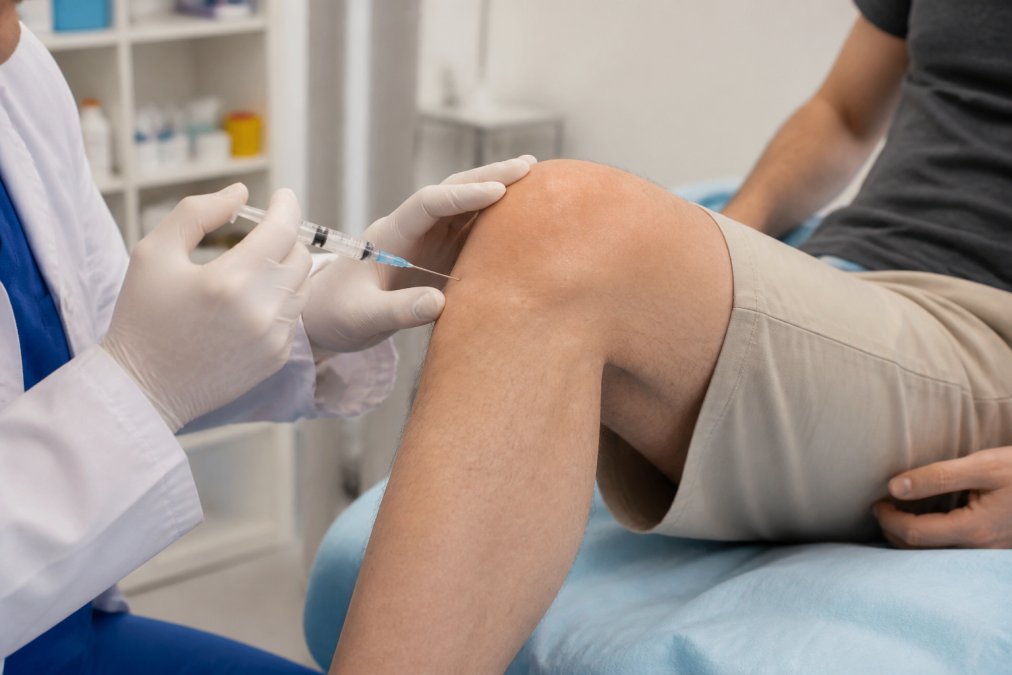
Viscosupplementation is a minimally invasive procedure in which hyaluronic acid is injected directly into the knee joint to reduce pain and improve function in people with osteoarthritis. The procedure restores the lubricating properties of synovial fluid, which naturally breaks down in arthritic joints.
Think of your knee joint like a door hinge. When well-lubricated, it moves smoothly; when lubrication wears away, friction increases and movement becomes painful. Hyaluronic acid acts as a biological lubricant, mimicking the shock-absorbing and cushioning properties of healthy synovial fluid. This is why viscosupplementation is sometimes called "knee gel injections" or "hyaluronic acid knee injections."
The procedure takes just a few minutes in an outpatient clinical setting. At Natural Healing Arts Medical in Bradenton, this treatment is offered as part of a comprehensive, surgery-free approach to managing knee osteoarthritis. Viscosupplementation differs from other injectable treatments because it focuses on joint lubrication rather than inflammation reduction.
How Viscosupplementation Works for Knee Osteoarthritis
When osteoarthritis develops, cartilage protecting bone surfaces degrades, leading to bone-on-bone contact, inflammation, and pain. The synovial fluid that normally lubricates the joint becomes thinner and less effective. Viscosupplementation restores this lost lubrication by introducing hyaluronic acid directly into the joint space.
Hyaluronic acid is a naturally occurring polymer found in healthy joints. It acts as a shock absorber to cushion movement and provides a protective coating on cartilage surfaces. In arthritic knees, the molecular weight and concentration of hyaluronic acid decline significantly, reducing these protective effects.
When injected, hyaluronic acid molecules coat joint surfaces and integrate with remaining synovial fluid, restoring lubrication, reducing friction, and potentially protecting remaining cartilage from further degradation. The substance also has anti-inflammatory properties that reduce pain signaling within the joint.
Treatment typically involves a series of three to five injections spaced one week apart, though this varies based on the specific product and individual response. Each injection is guided to ensure accurate placement within the joint space.
FDA Approval and Safety Status
Viscosupplementation for knee osteoarthritis has received FDA approval, with multiple hyaluronic acid formulations cleared for use. The FDA regulates these products as medical devices rather than drugs, reflecting their physical mechanism of action as joint lubricants.
FDA-approved viscosupplementation products have been available for decades with extensive clinical use and post-market safety data. The safety profile is well-established, with serious adverse events being rare and minimal systemic risk since the injection remains localized to the knee joint. Most side effects are mild and temporary.
Hyaluronic Acid Knee Injections Side Effects
Most patients tolerate viscosupplementation well, with side effects being uncommon and typically mild. The most frequently reported side effect is temporary knee swelling at the injection site, usually resolving within a few days and manageable with ice and activity modification. Some patients experience mild pain or warmth at the injection site immediately after treatment, typically subsiding within 24 to 48 hours.
Injection site reactions including redness, warmth, or localized inflammation are usually self-limited. Rarely, patients report a temporary increase in knee pain in the days following injection, sometimes called a "flare reaction," which typically resolves quickly.
Allergic reactions to hyaluronic acid are extremely uncommon since the substance is naturally present in the human body. Infection at the injection site is a potential risk with any intra-articular injection, though incidence is very low with proper sterile technique. Signs of infection include persistent warmth, increasing swelling, fever, or severe pain that worsens rather than improves.
Viscosupplementation vs Cortisone Injections
Both viscosupplementation and cortisone injections treat knee osteoarthritis pain but work through different mechanisms. Cortisone injections deliver corticosteroids directly into the joint to reduce inflammation, working quickly with noticeable improvement within days. However, relief typically lasts 3 to 6 weeks, and repeated injections carry risks of cartilage damage. Most physicians recommend limiting cortisone injections to 3 or 4 per year.
Viscosupplementation restores joint lubrication rather than suppressing inflammation. Relief develops gradually over 2 to 4 weeks as hyaluronic acid integrates with synovial fluid. Duration of benefit is longer, often lasting 3 to 6 months or more, without the cartilage-damaging risk associated with repeated corticosteroid use.
Cortisone works better for acute flare-ups with significant inflammation. Viscosupplementation is superior for sustained, long-term pain management. Some patients benefit from a combination approach, using cortisone initially for rapid symptom control while starting viscosupplementation for durable relief. Cost and insurance coverage also influence the decision, as cortisone injections are typically less expensive and more widely covered.
How Long Do Knee Gel Injections Last
Most patients experience pain relief lasting 3 to 6 months, with some reporting benefits extending to 9 months or longer. Several factors influence duration: severity of osteoarthritis, body weight, activity level, and the specific hyaluronic acid formulation used. Patients with mild to moderate joint damage typically experience longer-lasting benefit than those with severe arthritis.
The effects of viscosupplementation are not permanent but are often repeatable. Many patients receive multiple treatment courses over time, spacing them 6 to 12 months apart. With repeated treatments, some patients report that the duration of benefit extends, suggesting a cumulative protective effect on joint health.
Who Is a Good Candidate for Viscosupplementation?
Ideal candidates have symptomatic knee osteoarthritis that has not responded adequately to conservative treatments like physical therapy, activity modification, and over-the-counter pain management. The procedure works best for patients with mild to moderate joint damage in earlier stages of arthritis before severe cartilage loss occurs.
Age alone does not disqualify patients. Both younger and older adults can benefit if they have appropriate indications. However, patients must be realistic that this treatment manages pain and restores function but does not reverse cartilage damage or cure osteoarthritis.
Patients with active knee infections, severe joint space narrowing, or allergies to hyaluronic acid components are not appropriate candidates. A successful candidate typically has tried conservative approaches first and is motivated to participate actively in recovery through physical therapy and activity management.
Natural Healing Arts Medical evaluates each patient individually to determine whether viscosupplementation fits their specific situation. Dr. David Zamikoff and the clinical team assess your medical history, imaging findings, prior treatments, and functional goals to create a personalized treatment plan.
What to Expect During and After the Procedure
The viscosupplementation procedure takes approximately 10 to 15 minutes. You'll be positioned comfortably with your knee slightly bent to open the joint space. The injection site is cleaned with an antiseptic solution to prevent infection.
After injection, you can usually resume light activities immediately. Most providers recommend resting the knee for 24 to 48 hours, avoiding strenuous exercise, heavy lifting, or prolonged standing. Ice application helps manage any mild swelling or discomfort.
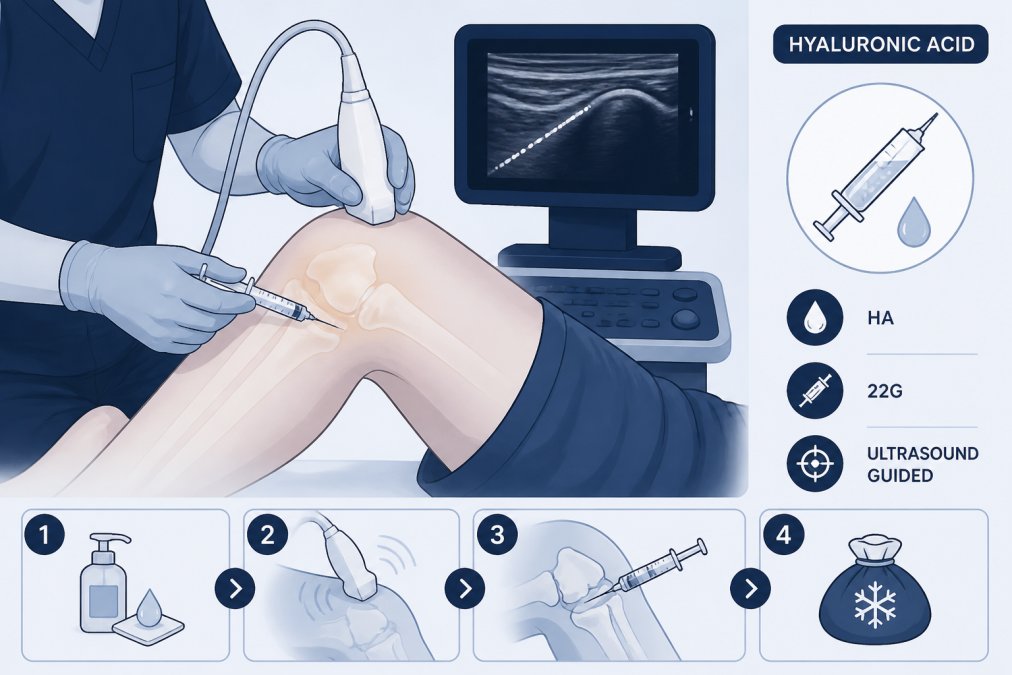
Pain relief typically develops gradually over 1 to 4 weeks as hyaluronic acid integrates with synovial fluid. Some patients experience a temporary increase in symptoms immediately after injection, which usually resolves quickly and does not indicate treatment failure. Physical therapy during and after viscosupplementation is important for optimal outcomes.
Preparation and Recovery Guidelines
Preparing properly for viscosupplementation helps ensure the best outcome. In the days before your procedure, avoid activities that place excessive stress on the knee. If you take blood-thinning medications, discuss this with your healthcare provider.
On the day of your procedure, wear comfortable, loose-fitting clothing that allows easy access to your knee. Eat a normal meal beforehand and arrange transportation since you should avoid driving immediately after treatment.
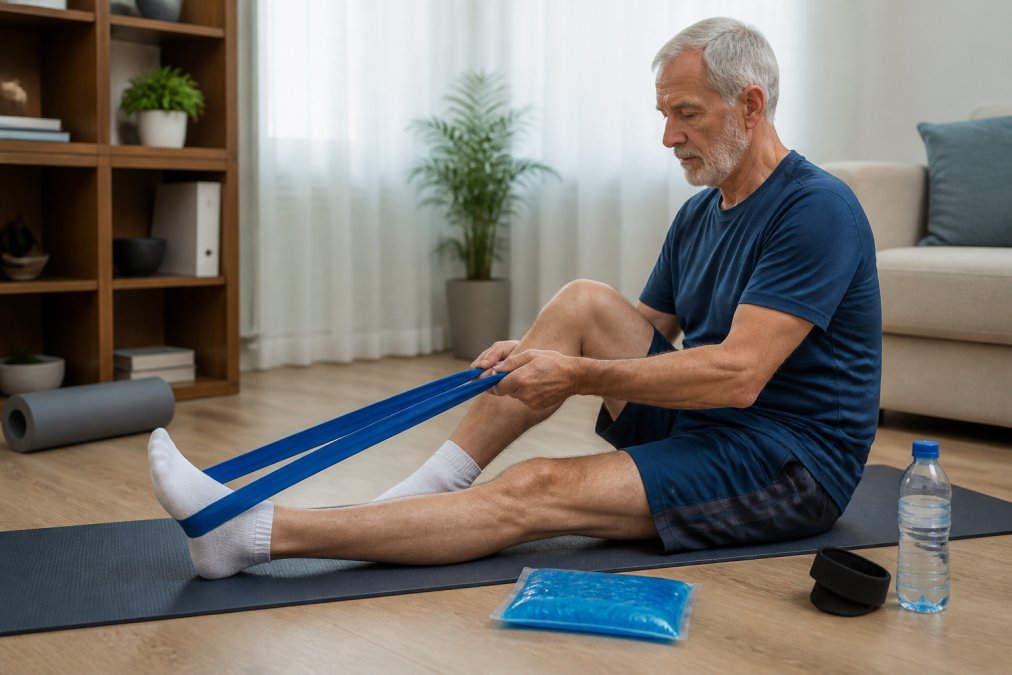
After your injection, follow these recovery guidelines:
- Rest the knee for 24 to 48 hours following treatment
- Apply ice for 15 to 20 minutes at a time, several times daily
- Avoid high-impact activities like running or jumping for at least one week
- Continue gentle range-of-motion exercises as tolerated
- Gradually return to normal activities over 2 to 4 weeks
- Participate in physical therapy as recommended
Most patients can return to work and normal daily activities within a few days. Contact your healthcare provider if you experience persistent swelling, increasing pain, signs of infection, or any concerning symptoms.
Knee osteoarthritis doesn't have to mean accepting chronic pain or rushing toward surgery. Viscosupplementation offers a proven, minimally invasive option for restoring joint lubrication and reducing pain while maintaining your active lifestyle. At Natural Healing Arts Medical, Dr. David Zamikoff and the clinical team specialize in this surgery-free treatment, combining viscosupplementation with physical therapy to help patients reach their wellness objectives and restore lasting pain relief. If you're considering your options for knee osteoarthritis, a consultation can help determine whether this treatment aligns with your goals. Schedule an appointment with Natural Healing Arts Medical to discuss your individual situation and explore whether viscosupplementation is right for you.
Frequently Asked Questions
What are the common side effects of gel knee injections?
Most patients experience minimal side effects from viscosupplementation. Temporary injection site reactions such as mild pain, swelling, or warmth at the injection site are common and typically resolve within a few days. Some patients report a brief increase in joint stiffness immediately after the procedure. Serious adverse events are rare when administered by a qualified orthopedic professional. Any persistent symptoms should be reported to your healthcare provider.
Is viscosupplementation considered a safe alternative to surgery?
Viscosupplementation is a minimally invasive, non-surgical treatment approved by the FDA for knee osteoarthritis. It carries significantly fewer risks than surgical procedures and allows you to maintain normal daily activities during treatment. However, it is not a permanent cure and works best for mild to moderate osteoarthritis. Your orthopedic specialist can determine whether viscosupplementation or surgery is more appropriate based on your specific condition and symptomatology.
How many gel injections can you safely receive in a year?
Typically, patients receive a series of three to five intra-articular injections spaced one week apart. Most treatment protocols recommend no more than three to four injection series per year, with at least three to four months between treatment cycles. The exact frequency depends on your individual response to treatment and your healthcare provider's clinical assessment. Discuss your specific treatment schedule during your orthopedic consultation.
How long do the effects of viscosupplementation last?
Most patients experience pain relief and improved joint function for three to six months following a complete injection series. Some patients report benefits lasting up to one year. The duration varies based on the severity of your osteoarthritis, your activity level, and how well your knee joint responds to the hyaluronic acid treatment. Many patients choose to repeat injections when symptoms return, maintaining long-term pain management without requiring surgery.