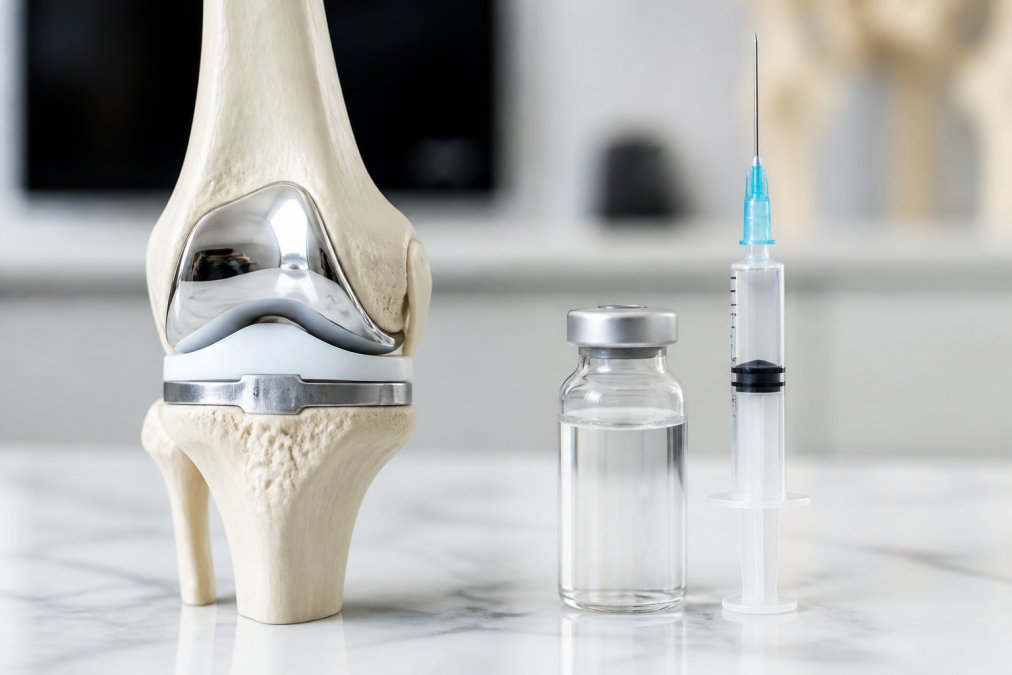
 comparison
Knee Replacement vs. Non-Surgical Injections
Table of Contents
- Knee Replacement Surgery vs. Non-Surgical Injections: Side-by-Side Comparison
- Understanding Knee Osteoarthritis and Your Treatment Options
- How Knee Replacement Surgery Works
- Candidates for Knee Replacement Surgery
- Non-Surgical Injection Options for Knee Osteoarthritis
- Recovery Time for Knee Replacement vs. Injections
- Risks, Complications, and Long-Term Outcomes
- Making Your Decision: Which Treatment Path Is Right for You
- Frequently Asked Questions
Last Updated: September 2, 2026
Knee Replacement Surgery vs. Non-Surgical Injections: Side-by-Side Comparison
When chronic knee pain from osteoarthritis starts limiting your daily activities, you face a significant decision: pursue surgical intervention or explore non-surgical alternatives. Both knee replacement surgery and non-surgical injection therapies aim to restore function and relieve pain, but they differ fundamentally in approach, recovery timeline, cost, and long-term outcomes. Natural Healing Arts Medical specializes in non-surgical injection treatments for knee osteoarthritis, helping patients understand how these options compare to surgical intervention.
The choice between these pathways isn't simply about which is "better", it's about which aligns with your specific condition severity, lifestyle, risk tolerance, and goals. Surgery offers a more permanent solution but requires significant recovery time and carries surgical risks. Non-surgical injections provide faster relief with minimal downtime but typically require repeat treatments. Here's what you need to know to make an informed decision.
| Factor | Knee Replacement Surgery | Non-Surgical Injections |
|---|---|---|
| Recovery Time | 3-6 months full recovery | Same-day return to activities |
| Pain Relief Duration | 15-20+ years | 6-12 months (varies by type) |
| Surgical Risks | Yes (infection, blood clots, implant failure) | Minimal (temporary soreness, rare infection) |
| Cost Range | $35,000-$70,000+ | $300-$15,000 per series |
| Invasiveness | Major surgical procedure | Minimally invasive injection |
| Best For | Advanced osteoarthritis (Grade 4) | Mild to moderate osteoarthritis (Grades 1-3) |
Understanding Knee Osteoarthritis and Your Treatment Options
Knee osteoarthritis develops when the protective cartilage in your knee joint gradually breaks down, causing bone-on-bone friction, inflammation, and pain. This degenerative condition progresses through stages: early cartilage damage (Grade 1-2) produces mild symptoms, while advanced joint space narrowing (Grade 3-4) creates significant functional limitations.
The progression varies widely. Some people experience slow deterioration over decades; others see rapid decline. Your treatment options depend partly on where you fall on this spectrum. Early-stage osteoarthritis often responds well to conservative approaches: physical therapy, activity modification, and oral medications. As the condition advances and conservative measures lose effectiveness, you typically face two paths: surgical reconstruction or ongoing injection therapy.
Understanding your specific grade of osteoarthritis, determined through X-rays showing joint space narrowing and cartilage degeneration, is essential for choosing the right treatment. Grade 1-2 osteoarthritis usually benefits from non-surgical interventions. Grade 3-4 (advanced with significant bone-on-bone contact) often requires surgery for lasting relief. Grades 2-3 represent the gray zone where either approach may work, depending on your individual factors.
How Knee Replacement Surgery Works
Total knee arthroplasty, commonly called knee replacement surgery, involves removing damaged cartilage and bone from the knee joint and replacing them with artificial components made of metal and plastic. The surgeon makes an incision, exposes the joint, removes the damaged surfaces, aligns the artificial implant, and secures it with bone cement or press-fit fixation.
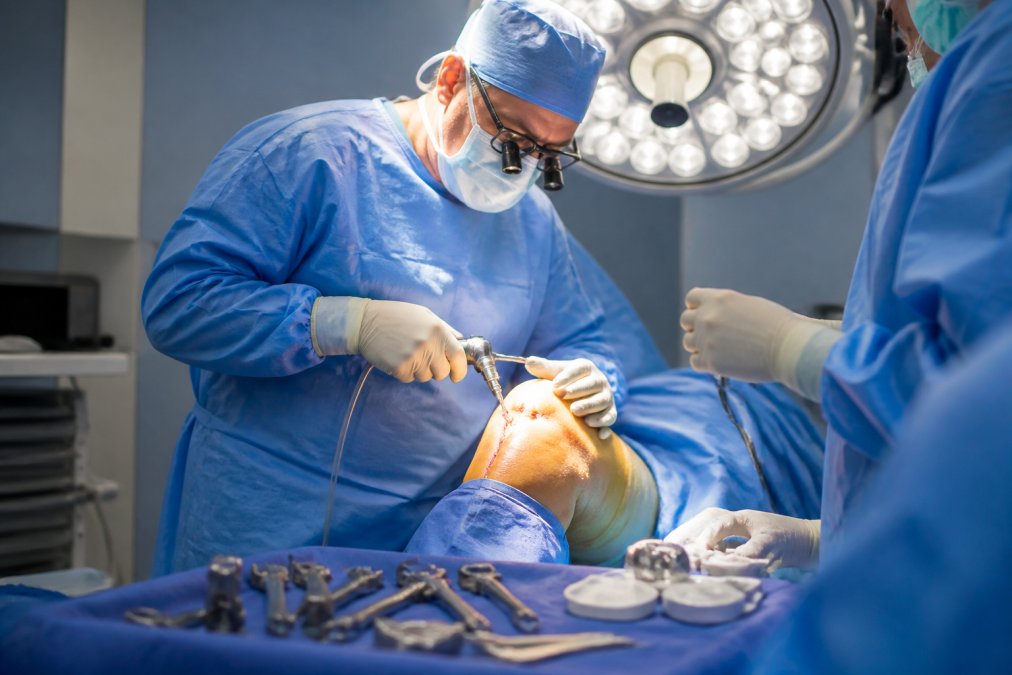
The procedure typically lasts 1-2 hours under general anesthesia. Modern implants are designed to mimic natural knee movement and last 15-20+ years for most patients (aaos.org). Success rates are high: roughly 85-90% of patients report significant pain reduction and improved function (peer-reviewed research). However, complications can occur, including infection, blood clots, implant loosening, or nerve damage.
Recovery is substantial. You'll spend 1-2 days in the hospital, then transition to intensive physical therapy. Full functional recovery typically takes 3-6 months, though some patients require up to a year to regain complete strength and range of motion. During this period, you'll face activity restrictions, pain management requirements, and rehabilitation demands that significantly impact daily life and work.
Candidates for Knee Replacement Surgery
You're generally considered a candidate for knee replacement surgery if you meet several criteria. Most surgeons recommend surgery when osteoarthritis is advanced (Grade 3-4 with significant joint space narrowing), conservative treatments have failed, and pain severely limits daily activities or work.
Age alone doesn't disqualify you, though younger patients are typically counseled to delay surgery since implants have a lifespan. Patients in their 50s and 60s often qualify, as do older adults if they're healthy enough for surgery. Your overall health matters significantly: serious heart disease, uncontrolled diabetes, or severe infections may make surgery riskier.
Orthopedic surgeons also consider your expectations and lifestyle. If you expect the surgery to restore your knee to pre-arthritis function for high-impact activities like running, your surgeon should discuss realistic outcomes. Most replacement knees function well for walking, climbing stairs, and moderate activities, but high-impact sports may not be advisable. Patients with realistic expectations and commitment to post-operative rehabilitation tend to have better outcomes.
Non-Surgical Injection Options for Knee Osteoarthritis
Non-surgical injection therapies work by different mechanisms to reduce pain and inflammation without surgical intervention. These minimally invasive treatments can be administered in an office setting with minimal downtime, allowing you to return to normal activities immediately or within days.
Viscosupplementation for Knee Osteoarthritis
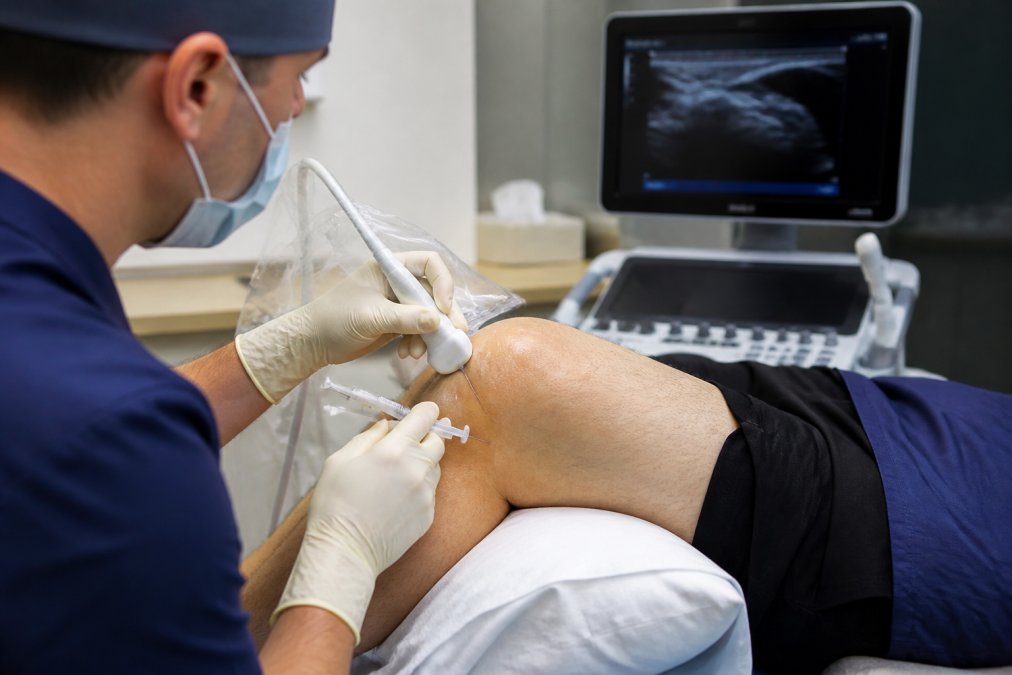
Viscosupplementation involves injecting hyaluronic acid directly into the knee joint to restore the lubricating and shock-absorbing properties of synovial fluid. This approach mimics the natural fluid that cushions the joint, reducing friction and pain associated with bone-on-bone contact.
The procedure is straightforward: your physician cleans the injection site, may use ultrasound guidance for accuracy, and injects the hyaluronic acid solution. Most patients receive a series of 3-5 injections spaced one week apart, though some protocols use fewer injections. Pain relief typically begins within days to weeks and peaks around 4-8 weeks.
Hyaluronic acid injections work best for mild to moderate osteoarthritis (Grades 1-3). Effectiveness varies: some patients experience 6-12 months of relief, while others see shorter benefit windows. The treatment is FDA-approved and accepted by most insurance plans, making it accessible for many patients. Natural Healing Arts Medical uses viscosupplementation with Hyalgan as part of a comprehensive treatment program that includes physical therapy during the injection series, enhancing outcomes through combined conservative care.
Platelet-Rich Plasma (PRP) and Stem Cell Therapy
Platelet-rich plasma (PRP) therapy uses a concentration of your own blood platelets to stimulate healing and reduce inflammation in damaged knee tissues. The process involves drawing your blood, processing it to concentrate platelets and growth factors, then injecting this solution directly into the knee joint.
PRP aims to improve the underlying tissue environment rather than simply providing temporary pain relief. Growth factors in the concentrated platelets may promote cartilage repair, reduce inflammatory markers, and stimulate healing responses. Treatment typically involves 1-3 injections spaced several weeks apart, with results developing gradually over weeks to months.
Stem cell therapy takes regenerative medicine further by injecting stem cells into the joint to potentially promote tissue regeneration and reduce pain. This approach remains largely experimental for orthopedic conditions as of 2026, with ongoing research exploring whether stem cells can actually regenerate damaged cartilage. Results are variable, and insurance rarely covers this treatment, making it a significant out-of-pocket expense.
Both PRP and stem cell therapy appeal to patients seeking solutions beyond temporary relief, though evidence for cartilage regrowth remains limited. These treatments work best for mild to moderate osteoarthritis in younger patients who want to delay or avoid surgery.
Corticosteroid Injections
Corticosteroid injections deliver powerful anti-inflammatory medication directly into the knee joint to quickly reduce inflammation and pain. These injections provide rapid relief, sometimes within hours, making them valuable for acute flare-ups or short-term pain management.
However, corticosteroid injections offer temporary relief, typically lasting 6-12 weeks. They don't address underlying cartilage degeneration or promote healing. Additionally, repeated corticosteroid injections may carry risks with long-term use, including potential effects on bone density and cartilage health. Most physicians recommend limiting corticosteroid injections to 3-4 per year and using them strategically rather than as ongoing primary treatment.
Recovery Time for Knee Replacement vs. Injections
The recovery timelines for these approaches differ dramatically. Non-surgical injections require minimal recovery: most patients return to normal activities the same day or within 24 hours. You might experience mild soreness at the injection site for a few days, but this resolves quickly without intervention.
Knee replacement surgery demands substantial recovery. The immediate post-operative period involves hospitalization, pain management, and intensive physical therapy. Within the first 2-4 weeks, you'll focus on reducing swelling, regaining basic mobility, and protecting the surgical site. Weeks 4-12 involve progressive strengthening and range-of-motion work. By 3-6 months, most patients return to normal walking and light activities, though full strength and confidence in the knee may take longer.
The functional recovery timeline matters for your decision. If you need rapid pain relief to maintain work or caregiving responsibilities, injections offer clear advantages. If you can afford extended recovery time and seek a more permanent solution, surgery's longer timeline may be acceptable for the lasting benefit.
Risks, Complications, and Long-Term Outcomes
Knee replacement surgery carries meaningful surgical risks. Infection occurs in roughly 1-2% of cases and may require additional surgery (the CDC). Blood clots can develop in leg veins post-operatively, requiring anticoagulation therapy. Nerve or blood vessel injury, though rare, can cause persistent pain or numbness. Implant-related complications, loosening, wear, or failure, may necessitate revision surgery years later.
Long-term outcomes are generally favorable: 85-90% of patients report significant pain reduction and improved function lasting 15-20+ years. However, some patients experience persistent pain, stiffness, or dissatisfaction with outcomes. Revision surgery becomes necessary for roughly 10-15% of patients over 20 years, though this varies based on implant type, surgeon skill, and patient factors.
Non-surgical injections carry minimal risks. Temporary soreness, mild swelling, or bruising at the injection site resolves within days. Infection is rare with proper sterile technique. The main limitation is that relief is temporary, requiring repeat treatments to maintain benefit. This means ongoing costs and repeated office visits, but also the advantage of avoiding surgical risks entirely.
Making Your Decision: Which Treatment Path Is Right for You
Choosing between knee replacement and non-surgical injections requires honest assessment of your condition severity, lifestyle needs, risk tolerance, and preferences. Start by understanding your osteoarthritis grade through imaging. Grades 1-2 typically respond well to injections and conservative care. Grade 4 (advanced with significant bone-on-bone) usually requires surgery for lasting relief. Grade 3 falls in the middle, where either approach may work depending on your individual factors.
Consider your activity level and timeline. If you need rapid pain relief to maintain your current lifestyle and can manage repeat treatments, injections offer advantages. If you're willing to invest in recovery time for a more permanent solution, surgery may provide better long-term value. Your age, overall health, and ability to comply with post-operative rehabilitation also influence outcomes.
Financial considerations matter too. While surgery costs significantly more upfront, injections require ongoing expenses for repeat treatments. Over a decade, multiple injection series may approach or exceed surgery costs. Insurance coverage varies: most plans cover viscosupplementation and corticosteroid injections, while PRP and stem cell therapy often require out-of-pocket payment.
Natural Healing Arts Medical helps patients explore non-surgical treatment through viscosupplementation combined with physical therapy during the treatment program. This integrated approach addresses both pain relief and functional restoration, helping many patients achieve their wellness objectives without surgery. The practice accepts most health insurance and Medicare, with flexible payment plans for additional services.
Have an honest conversation with your orthopedic surgeon about your specific condition, expectations, and lifestyle. Ask about your osteoarthritis grade, whether conservative treatments have truly been optimized, and what realistic outcomes look like for each option. Some patients benefit from trying injections first, if they provide adequate relief, you've avoided surgery. If they don't, you retain the option to pursue surgery later. Others prefer surgery immediately to avoid multiple treatments and get permanent resolution.
The right choice depends on your values, not on what's universally "best." Both approaches can successfully relieve pain and restore function when matched appropriately to your condition and preferences.
Chronic knee pain doesn't have to mean accepting surgery as your only option. At Natural Healing Arts Medical, we help patients in Bradenton explore surgery-free treatments for knee osteoarthritis using viscosupplementation and comprehensive physical therapy. Dr. David Zamikoff and his team have been selected as one of America's Best Chiropractors for over a decade, bringing expertise and compassion to your treatment journey. Schedule an appointment to discuss whether non-surgical injection therapy can help you restore long-lasting pain relief and freedom of movement.
Frequently Asked Questions
Which is better: knee replacement surgery or non-surgical injections?
Neither is universally better, it depends on your osteoarthritis severity, age, activity level, and timeline. Knee replacement surgery offers permanent pain relief and improved function for advanced cases, but involves surgery and recovery. Non-surgical injections like viscosupplementation provide temporary relief (6-12 months) with minimal recovery, making them ideal for mild to moderate osteoarthritis or as a delay before surgery. Discuss your specific situation with an orthopedic specialist to determine the right approach.
How long do the effects of knee gel injections typically last?
Viscosupplementation (hyaluronic acid injections) typically provides pain relief for 6 to 12 months, after which symptoms may return. Corticosteroid injections offer shorter relief, usually 6 to 12 weeks. Platelet-rich plasma (PRP) and stem cell therapy may offer longer-lasting benefits, though results vary significantly between patients. Most patients require repeat treatments to maintain pain relief, making these options better suited for temporary symptom management rather than permanent solutions.
What is the recovery time for knee replacement compared to non-surgical injections?
Knee replacement surgery requires 6 to 12 weeks for initial recovery, with full functional recovery taking 3 to 6 months or longer. Most patients use crutches or walkers for 2 to 4 weeks and attend physical therapy sessions. Non-surgical injections have minimal recovery time, patients typically return to normal activities the same day or within 24 hours, though strenuous activity should be avoided for a few days. This significant difference makes injections appealing for those unable to commit to extended downtime.
What are the main risks of knee replacement surgery?
Knee replacement surgery carries risks including infection, blood clots, nerve or blood vessel damage, implant loosening, stiffness, and persistent pain. Infection rates are generally low (1-2%) but can require additional surgery. Blood clots can develop in the legs after surgery. Some patients experience chronic pain or limited range of motion despite successful surgery. Discussing these risks with your surgeon and following post-operative rehabilitation protocols significantly reduces complication rates and improves outcomes.
Who makes a good candidate for knee replacement surgery?
Ideal candidates for knee replacement surgery typically have advanced osteoarthritis (bone-on-bone cartilage loss), significant pain that limits daily activities, failed conservative treatments (physical therapy, medications, injections), and realistic expectations about outcomes. Age alone is not a barrier, factors like overall health, bone quality, and ability to follow post-operative rehabilitation matter more. Your orthopedic surgeon will evaluate imaging, medical history, and functional limitations to determine if you're a suitable candidate for total knee arthroplasty.