 ultimate-guide
Non-Surgical Knee Osteoarthritis Relief: 2026 Guide
Table of Contents
- Understanding Knee Osteoarthritis and Why Surgery Isn't Your Only Option
- Viscosupplementation for Knee Pain: How Joint Injections Restore Lubrication
- Knee Osteoarthritis Physical Therapy Exercises and Rehabilitation
- Cooled Radiofrequency and Minimally Invasive Procedures
- Lifestyle Modifications and Home Care for Long-Term Relief
- Topical Pain Relief, Anti-Inflammatory Nutrition, and Conservative Management
- Conclusion: Your Path to Restored Mobility
- Frequently Asked Questions
Last Updated: August 12, 2026
Understanding Knee Osteoarthritis and Why Surgery Isn't Your Only Option
Knee osteoarthritis develops when protective cartilage gradually wears down, causing bone-on-bone contact and chronic pain. Most people assume progressive joint pain automatically leads to surgery, but evidence shows that conservative care, minimally invasive procedures, and lifestyle modifications can halt arthritic progression and deliver lasting relief without surgical risks or recovery time.
What makes this approach work is understanding the mechanisms behind your pain. Knee osteoarthritis involves cartilage degradation, reduced synovial fluid production, and inflammation, processes that respond to targeted, evidence-based treatment when addressed early and comprehensively.
Viscosupplementation for Knee Pain: How Joint Injections Restore Lubrication
Viscosupplementation is one of the most effective minimally invasive approaches to non-surgical knee osteoarthritis relief. This procedure injects hyaluronic acid directly into the knee joint to restore lubrication, reduce friction, and decrease inflammation, replenishing the joint's natural shock-absorbing fluid that depletes as osteoarthritis progresses.
Hyaluronic acid mimics the body's natural joint lubricant, creating a protective barrier between bone surfaces and allowing smoother movement with less pain. Natural Healing Arts Medical offers viscosupplementation using Hyalgan, a proven therapeutic injection designed specifically for knee osteoarthritis. Patients typically receive a series of injections over several weeks. The procedure takes minutes, requires no anesthesia, and allows immediate return to normal activities.
Most patients experience meaningful improvement within 2-3 weeks, with benefits often lasting several months. Many report restored range of motion, decreased stiffness, and the ability to walk, climb stairs, and engage in previously painful activities.
Knee Osteoarthritis Physical Therapy Exercises and Rehabilitation
Physical therapy is the foundation of long-term non-surgical knee osteoarthritis relief. While injections address immediate pain, exercise addresses underlying weakness and dysfunction that accelerates joint degradation. Strengthening the muscles around your knee, particularly the quadriceps and hamstrings, takes pressure off the joint itself and improves stability.
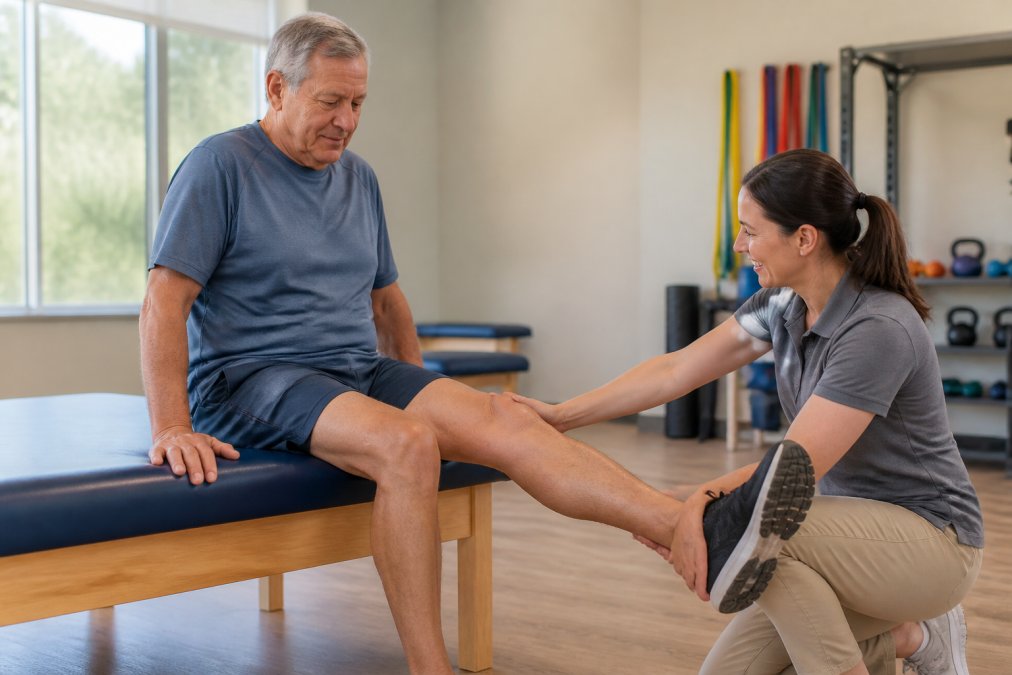
Effective rehabilitation includes range-of-motion exercises that restore mobility without stressing damaged cartilage, strengthening exercises that build muscular support reducing joint compression, low-impact cardiovascular work maintaining fitness without excessive weight-bearing stress, and flexibility work preventing stiffness that compounds pain.
Progression matters, starting too aggressively causes setbacks. A qualified physical therapist designs a program matched to your current function and gradually increases intensity as you improve. Common effective exercises include straight-leg raises, seated knee extensions, hamstring curls, and wall squats. Water-based therapy offers particular benefit because buoyancy reduces joint loading while allowing full-range movement.
The timeline typically spans 8-12 weeks of consistent effort, though benefits often appear within 3-4 weeks. Adherence is critical, patients who commit to their exercise program see substantially better outcomes than those who attend sporadically.
Cooled Radiofrequency and Minimally Invasive Procedures
Cooled radiofrequency represents an emerging minimally invasive option for patients with moderate to severe knee osteoarthritis pain who haven't found sufficient relief through other conservative approaches. This procedure uses radiofrequency energy to interrupt pain signals traveling through the nerves that supply the knee joint, providing relief without affecting muscle function or joint structure.
The procedure takes 30-45 minutes and requires only local anesthesia. Unlike surgical approaches that permanently alter tissue, cooled radiofrequency is reversible and preserves joint integrity. Genicular artery embolization represents another emerging minimally invasive technique that reduces blood flow to inflamed joint tissue, thereby decreasing inflammation and pain.
These procedures work best as part of a comprehensive strategy rather than standalone solutions. They're most effective when combined with physical therapy, lifestyle modifications, and potentially viscosupplementation.
Lifestyle Modifications and Home Care for Long-Term Relief
Sustainable non-surgical knee osteoarthritis relief depends on daily choices that reduce joint stress and support healing. Weight management stands first, every pound of excess weight increases knee joint loading by approximately three times that amount with each step. A 5-10 pound reduction can produce noticeable pain improvement within weeks.
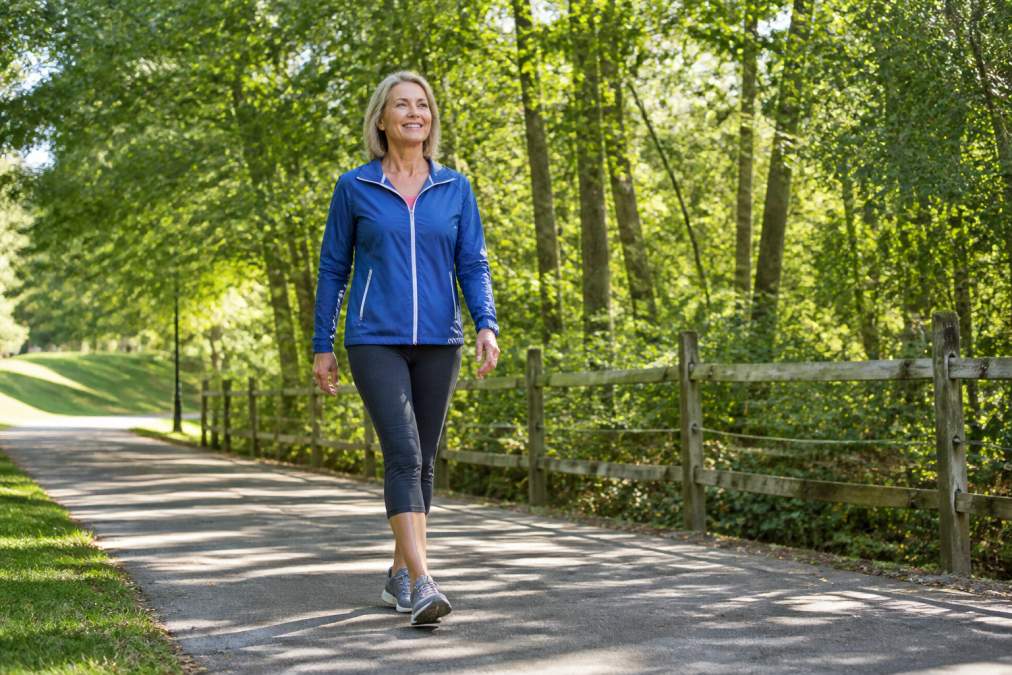
Home Environment Modifications That Reduce Daily Pain
Your home is where most knee stress occurs. Strategic modifications reduce pain during daily activities.
Seating and Transitions: Elevated seating, chairs 18-20 inches high instead of standard 16-17 inches, reduces muscular effort required to stand. Firm cushions prevent excessive sinking that deepens knee flexion. Armrests allow you to push with your upper body, reducing reliance on knee extension. Beds 20-22 inches high (achievable with bed risers) make getting in and out substantially easier. A pillow between your knees when side-sleeping and under your knees when supine reduces nighttime joint stress.
Bathroom Safety: Grab bars installed at 33-36 inches height near the toilet and shower provide stability. A raised toilet seat (4-6 inches higher than standard) reduces knee flexion depth required. Shower chairs eliminate standing on one leg. Non-slip flooring reduces careful, guarded stepping that increases pain.
Kitchen and Daily Tasks: Counter height matters. Standard counters at 36 inches force forward bending that shifts weight onto knees. Adjustable-height counters or task-specific surfaces reduce unnecessary joint loading. Frequently used items stored at waist height rather than below knee level minimize reaching and bending.
Footwear and Orthotics: Proper footwear absorbs impact that would otherwise transfer to the knee. Shoes with cushioned midsoles and arch support reduce joint stress with every step. Over-the-counter arch supports or custom orthotics correct gait abnormalities that increase knee loading. Many patients find footwear upgrades produce measurable pain reduction within days.
Assistive Devices: A cane used correctly in the hand opposite the painful knee can reduce joint loading by 20-30%. Walkers provide greater support for bilateral pain or balance concerns. These tools enable continued activity and independence.
Activity Selection and Pacing
Movement selection matters enormously. Weight-bearing exercises like walking stress the joint directly, while low-impact activities like swimming, cycling, and elliptical training maintain cardiovascular fitness and muscle strength without excessive joint compression. Complete rest accelerates muscle loss and stiffness, worsening long-term outcomes.
Pacing prevents flare-ups. The "two-hour rule" is practical: if an activity causes pain lasting more than two hours afterward, you've exceeded your current capacity. Gradually extending tolerance through consistent, moderate activity builds capability without triggering inflammatory responses.
Temperature Management and Sleep Quality
Heat reduces stiffness and improves blood flow, particularly helpful for morning stiffness, a 15-minute heating pad before getting out of bed can make the difference between a painful and functional morning. Cold reduces acute inflammation and swelling after activity. Many patients find alternating between them throughout the day provides optimal comfort.
Sleep quality directly affects pain perception and recovery. Poor sleep increases pain sensitivity and delays tissue healing. Maintaining a cool bedroom (around 65-68°F), using blackout curtains, and establishing a consistent sleep schedule support both sleep quality and pain management. Patients who sleep well report 20-30% less daytime pain than those with disrupted sleep.
Topical Pain Relief, Anti-Inflammatory Nutrition, and Conservative Management
Topical Pain Relief: Effectiveness and Practical Use
Topical analgesics provide localized pain relief without systemic side effects. Lidocaine patches (Lidoderm) deliver numbing medication directly to the skin over the painful joint, providing 8-12 hours of relief per application. These work particularly well for acute flare-ups or before physical therapy sessions. A 30-day supply typically costs $15-25 and is usually covered by insurance when prescribed.
Topical NSAIDs like diclofenac (Voltaren gel) penetrate tissue to reduce localized inflammation. A 100-gram tube costs $12-18 and typically lasts 2-3 weeks. Unlike oral NSAIDs, topical formulations minimize systemic absorption, reducing gastrointestinal side effects or drug interactions, a significant advantage for patients taking multiple medications.
Strategic use of topical pain relief enables better participation in physical therapy and daily activities. A practical approach combines topical relief with activity, applying lidocaine 30 minutes before physical therapy, then using diclofenac gel afterward to manage inflammation from exercise.
Anti-Inflammatory Nutrition and Weight Management
Anti-inflammatory nutrition addresses inflammation from the inside, complementing procedural and exercise-based interventions. Foods rich in omega-3 fatty acids (fatty fish, walnuts, ground flaxseed, chia seeds) support joint health and reduce systemic inflammation. A practical target is 2-3 servings of fatty fish weekly or daily plant-based omega-3 sources. Antioxidant-rich vegetables and fruits combat oxidative stress that drives cartilage degradation. Limiting processed foods and refined sugars reduces systemic inflammation that exacerbates joint pain.
Specific nutrients support joint function directly. Collagen peptides (hydrolyzed collagen, 10-20 grams daily) support cartilage structure and may reduce joint pain. Ginger and turmeric contain anti-inflammatory compounds; turmeric's active ingredient curcumin requires black pepper for absorption, so combining them increases bioavailability.
Weight management directly reduces mechanical joint loading. A 10-pound weight loss reduces knee joint loading by approximately 30 pounds with each step. Even modest weight reduction (5-10 pounds) produces noticeable pain improvement within 4-6 weeks. Combined with exercise and anti-inflammatory nutrition, weight management creates a synergistic effect.
Integrating Conservative Management: A Layered Approach
The conservative management approach integrates all these elements: targeted pain relief, strategic exercise, lifestyle modifications, and nutritional support. This layered strategy addresses multiple aspects of the osteoarthritis process simultaneously.
A practical implementation might look like this: Begin with topical pain relief and anti-inflammatory nutrition while starting physical therapy. Add viscosupplementation if pain remains limiting after 4-6 weeks of consistent therapy. Implement home modifications and weight management as ongoing foundations. Consider cooled radiofrequency if moderate-to-severe pain persists despite these measures.
The timeline typically spans 8-12 weeks to assess full effectiveness, though many patients notice improvement within 3-4 weeks. Adherence is critical, patients who commit to exercise, maintain dietary changes, and use topical relief strategically see substantially better outcomes.
Conclusion: Your Path to Restored Mobility
Non-surgical knee osteoarthritis relief requires commitment, but evidence is clear: conservative, minimally invasive, and lifestyle-based approaches deliver real results. Whether through viscosupplementation that restores joint lubrication, physical therapy that rebuilds strength, cooled radiofrequency that interrupts pain signals, or daily choices that reduce joint stress, you have multiple pathways to restored function and reduced pain.
The path forward begins with an honest assessment of your current situation and a comprehensive treatment plan tailored to your specific needs. Natural Healing Arts Medical specializes in surgery-free treatments for knee osteoarthritis designed to restore long-lasting pain relief and freedom of movement. Dr. David Zamikoff and the team work with most health insurance and Medicare, offering flexible payment plans to ensure cost isn't a barrier to care.
Frequently Asked Questions
What is the most effective non-surgical treatment for knee osteoarthritis?
The most effective approach combines multiple strategies tailored to your condition. Viscosupplementation injections restore joint lubrication and reduce bone-on-bone contact, while physical therapy strengthens supporting muscles and improves range of motion. Cooled radiofrequency procedures target pain signals without damaging tissue. Most patients see meaningful improvement through a patient-centered approach that addresses inflammation, mobility, and function together rather than relying on a single treatment.
Can physical therapy significantly improve knee osteoarthritis symptoms?
Yes. Physical therapy addresses the root causes of osteoarthritis pain by strengthening the quadriceps and hamstrings, which stabilize the knee joint and reduce stress on cartilage. Targeted exercises improve range of motion, reduce stiffness, and enhance functional ability for daily activities. Results typically develop over weeks to months of consistent practice. A qualified physical therapist designs exercises specific to your pain level and mobility, making therapy both safe and effective for long-term relief.
How long does it take to see results from non-surgical knee osteoarthritis relief treatments?
Timeline varies by treatment. Viscosupplementation injections typically show improvement within 2-4 weeks, with full benefits developing over 8-12 weeks as the synovial fluid restores joint lubrication. Physical therapy requires 4-6 weeks of consistent effort before noticeable functional improvement. Cooled radiofrequency procedures can provide relief within days to weeks. Lifestyle modifications and anti-inflammatory nutrition work gradually over months. Most patients experience the best outcomes when combining treatments and maintaining consistency with home exercises.
Are there FDA-approved injections for knee osteoarthritis relief?
Yes. Hyaluronic acid injections (viscosupplementation) are FDA-approved for knee osteoarthritis and work by restoring joint lubrication and reducing inflammation. These injections supplement the synovial fluid that naturally cushions the joint, helping to improve mobility and reduce pain from cartilage degradation and bone-on-bone contact. Treatment protocols typically involve a series of injections spaced over several weeks. Your orthopedic specialist can determine if viscosupplementation is appropriate for your specific condition and arthritic progression.
Can an arthritic knee get better without surgery?
Many people achieve significant functional improvement and pain relief without surgery through conservative care. Non-surgical options address inflammation, restore joint space through viscosupplementation, strengthen supporting muscles via physical therapy, and reduce stress through lifestyle modifications. Success depends on the severity of cartilage degradation, your commitment to exercises, and choosing the right combination of treatments. While surgery may eventually be necessary for severe bone-on-bone arthritis, most patients benefit from exploring non-surgical approaches first to preserve joint structure and maintain quality of life.
How do lifestyle changes impact long-term knee osteoarthritis pain?
Lifestyle modifications directly slow arthritic progression and improve daily function. Weight management reduces stress on weight-bearing joints, decreasing inflammation and pain. Low-impact activities like swimming and walking maintain mobility without aggravating cartilage. Anti-inflammatory nutrition reduces systemic inflammation and supports joint health. Home modifications like proper footwear and ergonomic seating reduce strain during daily activities. Sleep quality and stress management support healing and pain perception. These changes work synergistically with medical treatments to provide sustained relief and prevent further joint space narrowing.
Chronic knee pain doesn't have to be your future. If you're ready to explore non-surgical options and take control of your mobility, schedule a consultation with Natural Healing Arts Medical. We'll assess your condition, discuss your goals, and create a personalized treatment plan combining viscosupplementation, physical therapy, and lifestyle strategies proven to work. Your knees, and your quality of life, deserve that level of care.