 ultimate-guide
Non-Surgical Knee Osteoarthritis Treatment 2026: Complete Guide
Table of Contents
- Understanding Knee Osteoarthritis and Why Non-Surgical Options Matter
- Conservative Management Strategies for Knee OA
- Knee Osteoarthritis Physical Therapy Exercises and Rehabilitation
- Viscosupplementation for Knee Osteoarthritis: How It Works
- Regenerative Medicine for Knee Pain: Advanced Non-Surgical Options
- Lifestyle Changes for Knee OA: Weight, Activity, and Long-Term Management
- Building Your Personalized Non-Surgical Treatment Plan
- Frequently Asked Questions
Last Updated: August 7, 2026
Understanding Knee Osteoarthritis and Why Non-Surgical Options Matter
Knee osteoarthritis is a progressive joint condition where cartilage degradation leads to pain, stiffness, and reduced mobility. Non-surgical knee osteoarthritis treatment represents a comprehensive approach to managing this condition without invasive procedures, preserving joint function while restoring quality of life.
For many patients in Bradenton and beyond, the prospect of knee surgery feels overwhelming. The recovery timelines alone can disrupt work, family responsibilities, and independence. Yet surgery isn't the only path forward. A growing body of clinical evidence supports non-surgical interventions that can deliver meaningful, long-lasting relief when properly sequenced and tailored to individual circumstances.
The key insight most patients miss: the best outcomes don't come from a single treatment. They come from combining conservative management, targeted therapies, lifestyle modifications, and professional guidance into a coordinated plan. Natural Healing Arts Medical specializes in this integrative approach, using evidence-based non-surgical methods like viscosupplementation alongside physical therapy and personalized rehabilitation to help patients regain function and reduce chronic pain.
Knee osteoarthritis affects mobility and independence in ways that extend beyond physical pain. The psychological impact of chronic pain, frustration, depression, reduced confidence in movement, is real and deserves direct attention. Understanding how non-surgical treatments address both the mechanical and emotional dimensions of living with knee OA is essential for making informed decisions about your care.
Conservative Management Strategies for Knee OA
Conservative management forms the foundation of non-surgical knee osteoarthritis treatment. This approach combines activity modification, anti-inflammatory strategies, and protective measures to reduce synovial inflammation and slow cartilage degradation.
The most effective conservative strategies include controlled activity management, not rest, but smart movement. Many patients mistakenly believe that pain means they should stop moving. The opposite is true. Gentle, consistent movement maintains joint lubrication and prevents muscle atrophy that worsens joint stress. Walking on flat surfaces, swimming, and water aerobics are particularly valuable because they provide movement without impact loading.
Weight management deserves particular emphasis here. Excess body weight directly increases mechanical stress on the knee joint. Even modest reductions in weight can meaningfully decrease pain and improve function. A patient carrying 20 extra pounds places 60 additional pounds of force on the knee joint with each step. The relationship between weight and joint stress isn't theoretical, it's biomechanical.
Anti-inflammatory strategies extend beyond medication. Ice application after activity reduces acute inflammation. Compression wraps stabilize the joint and reduce swelling. Elevation helps manage fluid accumulation. These simple interventions, when used consistently, compound over weeks and months to produce noticeable improvements in pain levels and functional capacity.
Over-the-counter analgesics can provide short-term relief during flare-ups. Many patients find that strategic use of these medications, taking them before anticipated activity rather than only after pain develops, allows them to maintain movement patterns that support long-term joint health.
Knee Osteoarthritis Physical Therapy Exercises and Rehabilitation
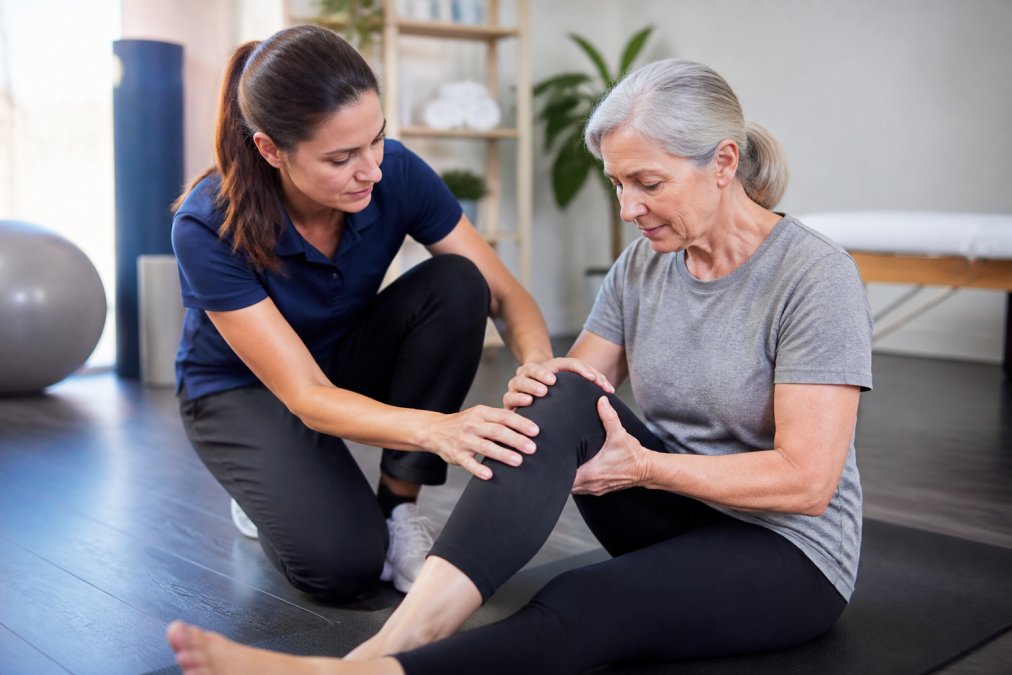
Physical therapy and therapeutic exercise form the active core of non-surgical knee osteoarthritis treatment. Targeted exercises strengthen the muscles that stabilize the knee joint, reduce abnormal movement patterns, and distribute load more evenly across the joint surface.
The quadriceps muscles, particularly the vastus medialis obliquus, provide critical dynamic support to the knee. Weakness in these muscles forces the joint to compensate, accelerating cartilage wear. Straight-leg raises, seated knee extensions, and step-ups with proper form rebuild this support system. Progressive resistance training, starting with body weight and advancing to resistance bands or light weights, produces measurable strength gains within 3-4 weeks.
Hip and ankle mobility work is equally important but often overlooked. Limited hip mobility forces the knee to absorb movement that should be distributed across the hip. Similarly, ankle stiffness changes how force travels through the knee during walking. A comprehensive physical therapy program addresses the entire kinetic chain, not just the knee itself.
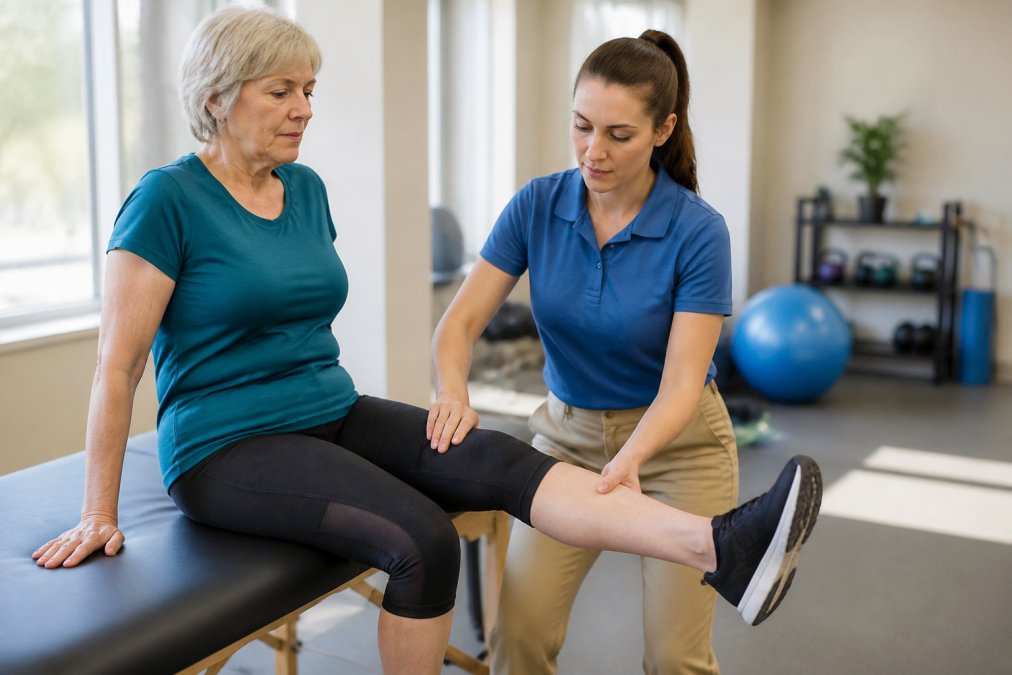
Proprioceptive training, exercises that improve balance and body awareness, reduces the risk of movement compensations that aggravate the joint. Single-leg stance, balance board work, and controlled walking on uneven surfaces train the neuromuscular system to protect the knee during functional activities.
The progression matters enormously. Early-phase therapy focuses on pain reduction and gentle mobility. Middle-phase work introduces resistance and dynamic stability. Late-phase training emphasizes functional activities and return to meaningful movement. This progression prevents re-injury and builds lasting capacity.
Viscosupplementation for Knee Osteoarthritis: How It Works
Viscosupplementation represents an advanced non-surgical intervention specifically designed to address the biochemical changes in osteoarthritic joints. These injections restore synovial fluid properties that degrade over time, reducing friction and inflammation while potentially slowing cartilage damage.
Healthy knee joints contain synovial fluid that lubricates the joint and provides shock absorption. In osteoarthritis, this fluid loses viscosity and protective properties. Viscosupplementation injections, typically using hyaluronic acid formulations like Hyalgan, replenish these properties. The mechanism is straightforward: improved lubrication reduces friction, friction reduction decreases pain, and decreased inflammation allows better movement.
Treatment protocols typically involve a series of injections spaced over several weeks. Most patients receive 3-5 injections depending on the specific product and clinical presentation. The timing matters: injections work best when combined with physical therapy and conservative management, not as a standalone intervention. Natural Healing Arts Medical integrates viscosupplementation into a comprehensive treatment plan that includes guided physical therapy during the injection series, maximizing the synergistic benefits of both approaches.
Clinical outcomes data shows that approximately 60-70% of patients experience meaningful pain reduction lasting 6-12 months. Response times vary, some patients notice improvement within days, while others require 2-3 weeks to perceive the full benefit. This variability is normal and doesn't predict long-term success.
The procedure itself is straightforward and minimally invasive. A healthcare provider cleanses the skin, may use ultrasound guidance for precise needle placement, and injects the viscosupplement directly into the joint space. The entire procedure takes 10-15 minutes. Most patients resume normal activities immediately, though strenuous exercise is typically avoided for 24-48 hours post-injection.
Regenerative Medicine for Knee Pain: Advanced Non-Surgical Options
Regenerative medicine approaches represent the frontier of non-surgical knee osteoarthritis treatment, focusing on biological mechanisms to reduce inflammation and potentially stimulate repair processes.
Platelet-rich plasma therapy concentrates growth factors from the patient's own blood and injects them into the joint. These growth factors may reduce synovial inflammation and support cellular repair mechanisms. The treatment uses the patient's own blood, minimizing immune rejection concerns. Most protocols involve 2-3 injections spaced 4-6 weeks apart.
Genicular artery embolization is an emerging vascular procedure that reduces inflammation by blocking blood vessels supplying inflamed synovial tissue. This image-guided minimally invasive approach shows promise for patients with significant inflammatory components to their knee pain. Recovery is faster than surgical approaches, with most patients returning to normal activities within days.
These regenerative approaches work through different mechanisms than viscosupplementation. Rather than improving lubrication, they target underlying inflammatory processes and cellular dysfunction. Current evidence suggests these therapies may be particularly beneficial for patients with significant inflammatory markers or those who haven't responded adequately to viscosupplementation.
The timeline for regenerative therapies differs from viscosupplementation. Benefits often develop more gradually, sometimes requiring 8-12 weeks to reach peak effect. This slower timeline reflects the biological processes involved, cells responding to growth factors take time to produce measurable changes.
Lifestyle Changes for Knee OA: Weight, Activity, and Long-Term Management
Sustainable non-surgical knee osteoarthritis treatment depends fundamentally on lifestyle modifications that reduce joint stress while maintaining functional capacity. These changes determine whether patients experience progressive improvement or gradual decline.
Weight management stands as the single most impactful lifestyle intervention. The biomechanical relationship is direct: every pound of body weight translates to additional force on the knee joint. A 10-pound weight reduction produces measurable decreases in pain and increases in walking distance. For patients carrying significant excess weight, even 5-10% reduction shows meaningful clinical benefit. The challenge isn't understanding the relationship, it's sustaining the behavioral changes required to achieve it.
Activity selection matters as much as activity level. High-impact activities like running and jumping accelerate cartilage degradation. Low-impact alternatives like walking, swimming, cycling, and water aerobics provide cardiovascular benefits and maintain muscle strength without excessive joint stress. Many patients find that strategic activity modification, replacing running with cycling, for example, allows them to maintain fitness while protecting the joint.

Footwear and environmental modifications reduce unnecessary joint stress. Proper shoes with adequate cushioning and arch support distribute force more evenly. Avoiding stairs when possible, using handrails when necessary, and modifying home environments to reduce fall risk and repetitive stress protect both the knee and overall mobility.
Sleep quality and stress management address the psychological dimensions of chronic pain. Poor sleep increases pain perception and reduces recovery capacity. Elevated stress elevates inflammatory markers. Patients who address these factors alongside physical interventions consistently report better outcomes. This isn't separate from physical management, it's integral to it.
Initial treatment costs for viscosupplementation, physical therapy, and professional guidance can be a consideration. Patients maintain independence and quality of life during the treatment process, rather than enduring months of post-surgical recovery.
Building Your Personalized Non-Surgical Treatment Plan
The most effective non-surgical knee osteoarthritis treatment plan is individualized, sequenced strategically, and adjusted based on response. A one-size-fits-all approach fails because patients present with different combinations of pain, inflammation, functional limitations, and comorbidities.
The initial assessment should establish baseline function through specific measurements: walking distance before pain limits activity, pain levels at rest and with activity, and range of motion. These metrics allow objective tracking of improvement rather than relying on subjective perception.
Conservative management forms the foundation for virtually all patients. Beginning with activity modification, weight management guidance, and targeted home exercises establishes whether the patient's condition responds to basic interventions. This phase typically lasts 4-6 weeks. Patients showing meaningful improvement may not need advanced interventions. Those with persistent pain despite conservative efforts become candidates for viscosupplementation or other advanced therapies.
Viscosupplementation timing is crucial. Introducing injections too early, before the patient commits to physical therapy, wastes the window of opportunity. Delaying injections too long allows progressive functional decline that becomes harder to reverse. The sweet spot is typically 4-8 weeks into conservative management, when the patient has demonstrated commitment and baseline function is established.
Physical therapy integration throughout the entire treatment arc separates successful outcomes from disappointing ones. Therapy during the viscosupplementation series maximizes the synergistic benefit. Continued therapy after injections sustain improvements and build lasting capacity. Natural Healing Arts Medical coordinates these elements, ensuring physical therapy timing aligns with other interventions.
Reassessment at 8-12 week intervals guides plan adjustments. If pain has decreased 50% and function has improved, continue the current approach. If improvement plateaus, consider advancing to regenerative therapies or modifying the exercise program. If pain worsens despite adherence, reassess the diagnosis, some patients have conditions mimicking osteoarthritis that require different approaches.
The psychological component deserves explicit attention in planning. Chronic pain affects mood and motivation. Addressing depression or anxiety improves treatment adherence and outcomes. Some patients benefit from pain psychology consultation alongside physical interventions.
The path forward with non-surgical knee osteoarthritis treatment 2026 isn't about choosing between treatment options in isolation. It's about sequencing evidence-based interventions in a coordinated plan tailored to your specific presentation, circumstances, and goals. Natural Healing Arts Medical brings this integrative approach to Bradenton patients, combining viscosupplementation, physical therapy, and personalized lifestyle guidance to help you restore pain-free movement and functional independence. The goal isn't just pain relief, it's reclaiming the activities and independence that matter most to you. Schedule an appointment to discuss how a personalized non-surgical treatment plan can address your knee osteoarthritis and help you achieve your wellness objectives.
Frequently Asked Questions
What are the latest FDA-approved non-surgical treatments for knee osteoarthritis in 2026?
Current FDA-approved non-surgical options include hyaluronic acid injections (viscosupplementation), corticosteroid injections, and platelet-rich plasma (PRP) therapy. Genicular artery embolization (GAE) is an emerging vascular procedure gaining clinical recognition. Physical therapy remains the foundation of treatment. Each option has different timelines and effectiveness profiles. A qualified healthcare provider can help determine which approach aligns with your specific condition and goals.
Does physical therapy remain the gold standard for knee osteoarthritis management?
Yes, therapeutic exercise and physical therapy are foundational to non-surgical knee osteoarthritis treatment. Evidence shows that consistent, evidence-based exercise programs improve joint function, reduce pain, and enhance mobility. Physical therapy is most effective when combined with other strategies like weight management and, when appropriate, injection therapies. Starting early and maintaining consistency produces the best long-term outcomes for symptom management and functional independence.
How do regenerative medicine therapies compare to traditional injections for knee pain?
Regenerative medicine approaches like platelet-rich plasma (PRP) and stem cell therapies aim to stimulate healing and reduce synovial inflammation, potentially offering longer-lasting relief than steroid injections alone. Traditional hyaluronic acid injections provide lubrication and cushioning. Research is ongoing regarding PRP's superiority, but some patients report extended pain relief. The best choice depends on your cartilage degradation stage, pain severity, and clinical presentation. Your healthcare provider can assess which approach fits your situation.
Can lifestyle modifications effectively delay the need for knee replacement surgery?
Significant lifestyle changes, particularly weight management and consistent therapeutic exercise, can slow osteoarthritis progression and extend the time before surgery becomes necessary. Studies show that patients who maintain healthy weight, stay physically active with low-impact exercise, and follow evidence-based rehabilitation programs experience better long-term outcomes and greater functional independence. Combined with appropriate injection therapies, these modifications form a comprehensive strategy for joint preservation and pain relief.
Is viscosupplementation for knee osteoarthritis really proven to work?
Viscosupplementation using hyaluronic acid has decades of clinical evidence supporting its effectiveness for reducing pain and improving joint function in knee osteoarthritis. Results vary by individual, with some patients experiencing 3-6 months of relief after a series of injections. It works best as part of a comprehensive treatment plan that includes physical therapy and lifestyle modifications. Many patients avoid or delay surgery through consistent non-surgical management combining viscosupplementation with exercise and weight management.
How long does recovery take with non-surgical knee osteoarthritis treatments?
Recovery timelines vary by treatment type. Physical therapy benefits accumulate over weeks to months with consistent participation. Viscosupplementation injections typically show results within 2-4 weeks, with peak benefit around 8-12 weeks. Regenerative therapies like PRP may take 4-6 weeks to demonstrate full effect. Lifestyle changes require ongoing commitment but produce measurable improvements in mobility and pain within 4-8 weeks. Most patients see meaningful progress within 2-3 months of starting a comprehensive non-surgical program.
Can you live a normal life with knee osteoarthritis using non-surgical treatments?
Many people successfully manage knee osteoarthritis without surgery and maintain active, fulfilling lives. The key is starting treatment early, staying consistent with physical therapy, managing weight, and using appropriate interventions like viscosupplementation when needed. With proper symptom management and functional independence strategies, patients often return to activities they enjoy. Your healthcare provider can help create a personalized plan that addresses your specific goals and lifestyle needs.