 ultimate-guide
Persistent Lower Back Pain After Car Accident: Causes
Table of Contents
- Why Lower Back Pain Persists After a Car Accident
- Common Causes of Chronic Pain: From Muscle Strain to Herniated Discs
- Understanding Delayed Back Pain Symptoms After Car Accident
- When to See a Doctor: Red Flags and Diagnostic Tests
- How to Treat Whiplash Symptoms and Lower Back Pain
- Chiropractic Treatment for Auto Accident Injuries: A Recovery Path
- Conclusion: Your Path to Recovery
- Frequently Asked Questions
Last Updated: September 6, 2026
Why Lower Back Pain Persists After a Car Accident
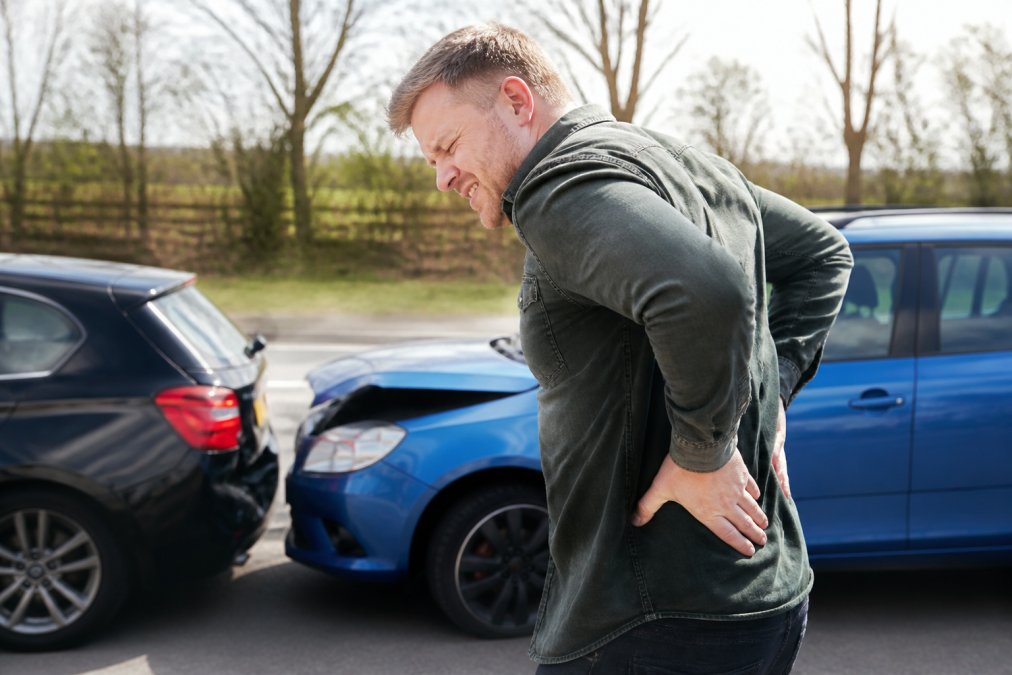
Persistent lower back pain after a car accident is often the result of overlooked soft tissue injuries that continue to stress the spine long after the initial impact. Many accident victims assume that if they can walk away from the crash, they are fine, yet the biomechanics of a collision frequently cause damage that worsens over weeks. At Natural Healing Arts Medical, we understand that discomfort can develop into a chronic condition if the underlying injury is not properly addressed.
The force of impact in a rear-end or side collision does not stop at the bumper. It transfers through the vehicle seat into the lumbar spine, causing the vertebrae and surrounding muscles to absorb energy they were not designed to handle. This sudden, violent motion leads to a cascade of issues, from microscopic tears in muscle fibers to more serious structural problems like a herniated disc. Understanding what is happening inside your body is the first step toward finding lasting relief.
The Mechanics of Impact and Soft Tissue Injury
When your vehicle is struck, your body is thrown in one direction while your head and torso resist the movement. This conflicting motion places enormous stress on the lumbar spine, which acts as the shock absorber for your entire body. The result is often a combination of muscle strain, ligament sprain, and spinal joint dysfunction that creates a cycle of inflammation and guarding.
Your body responds to this trauma by tightening the muscles around the injury site to protect it. While this natural splinting mechanism is helpful in the immediate aftermath, it becomes problematic when it persists. Chronic muscle tension restricts blood flow, delays healing, and keeps the area inflamed, which is why many people find their pain intensifies rather than diminishes with time.

Common Causes of Chronic Pain: From Muscle Strain to Herniated Discs
The most common causes of persistent back pain fall into two broad categories: soft tissue injuries that affect muscles and ligaments, and structural injuries that involve the discs and nerves of the spine. Both types can produce similar symptoms, which is why a proper diagnosis matters.
Muscle Strain, Ligament Sprain, and Spinal Joint Dysfunction
Muscle strain and ligament sprain are the most frequent injuries sustained in car accidents. These occur when the soft tissues are stretched beyond their normal range of motion during the collision. While these injuries are considered minor in the medical world, they can cause significant discomfort and restricted mobility for weeks or months.
Spinal joint dysfunction, also known as subluxation, occurs when the vertebrae are knocked out of their normal alignment. This misalignment irritates the nerves exiting the spinal column and forces surrounding muscles to work harder to compensate. Over time, this compensation pattern leads to fatigue, additional strain, and pain that radiates through the lower back and into the hips.
Herniated Discs, Nerve Impingement, and Sciatica
A herniated disc is a more serious consequence of auto accident trauma. The discs that cushion your vertebrae can bulge or rupture under the force of impact, allowing the inner gel-like material to press against nearby nerves. This condition, known as nerve impingement or radiculopathy, produces sharp, shooting pain that often travels down the leg.
When the affected nerve is the sciatic nerve, the largest nerve in the body, the condition is called sciatica. Sciatica typically causes pain, numbness and tingling, and weakness that follows the path of the nerve from the lower back through the buttock and down the leg. Many patients describe this sensation as an electric shock or a deep, burning ache that makes sitting and standing uncomfortable.
Understanding Delayed Back Pain Symptoms After Car Accident
Delayed back pain symptoms after car accident are remarkably common, and they often confuse patients who felt fine immediately following the crash. The adrenal surge that accompanies a traumatic event masks pain by flooding your system with adrenaline and endorphins. As these natural painkillers fade over the following days, the true extent of your injuries becomes apparent.
Another reason for delayed onset is the progression of inflammation. Soft tissue injuries trigger an inflammatory response that builds gradually, peaking 48 to 72 hours after the initial trauma (peer-reviewed research). This swelling puts pressure on nerves and surrounding structures, which explains why many people report stiffness and discomfort that worsens over the first week rather than improving.
The delayed nature of these symptoms leads many accident victims to postpone treatment, assuming their discomfort will resolve on its own. Unfortunately, untreated injuries often develop into chronic pain as the body adapts to dysfunction. If you were in an accident and are now experiencing new or worsening back pain, seeking evaluation promptly can make a meaningful difference in your recovery trajectory.
When to See a Doctor: Red Flags and Diagnostic Tests
You should see a doctor for lower back pain after an accident if your symptoms persist beyond a few days, worsen over time, or interfere with your daily activities. Certain red flags warrant immediate medical attention, including loss of bladder or bowel control, severe weakness in your legs, or numbness in the saddle area around your groin. These symptoms may indicate spinal cord compression and require urgent evaluation.
Beyond these emergencies, a thorough orthopedic evaluation is recommended for anyone experiencing ongoing discomfort. Your physician will assess your range of motion, test your reflexes and muscle strength, and review your accident history to determine the most likely source of your pain.
Neurological Symptoms and the Need for Imaging
When neurological symptoms are present, diagnostic imaging becomes essential. While X-rays can reveal vertebral fractures and alignment issues, they cannot show damage to soft tissues like discs and ligaments. Magnetic resonance imaging, commonly called an MRI, provides detailed images of the spinal structures and is the gold standard for identifying herniated discs and nerve compression.
The American Academy of Orthopaedic Surgeons guidance on spine imaging emphasizes that imaging should be guided by clinical findings rather than performed routinely. Your doctor will recommend specific tests based on your symptoms and examination results, ensuring that you receive the most appropriate care without unnecessary procedures.
How to Treat Whiplash Symptoms and Lower Back Pain
Knowing how to treat whiplash symptoms and associated lower back pain begins with understanding that rest alone is rarely the answer. While brief rest in the first 48 hours can help manage acute inflammation, prolonged inactivity weakens the muscles that support your spine and prolongs recovery. Gentle movement and targeted treatment are typically more effective.
Conservative Treatment, Physical Therapy, and Pain Management
Conservative treatment is the first-line approach for most auto accident injuries. This includes pain management through over-the-counter anti-inflammatory medications, ice and heat therapy, and gentle stretching. These measures reduce inflammation and provide symptomatic relief while your body begins its natural healing process.
Physical therapy plays a central role in rehabilitation. A structured program that strengthens the core muscles, improves flexibility, and corrects movement patterns helps prevent reinjury and addresses the root cause of your pain. Physical therapy during your treatment program also provides the accountability and guidance needed to stay consistent with your recovery exercises.
Chiropractic Treatment for Auto Accident Injuries: A Recovery Path
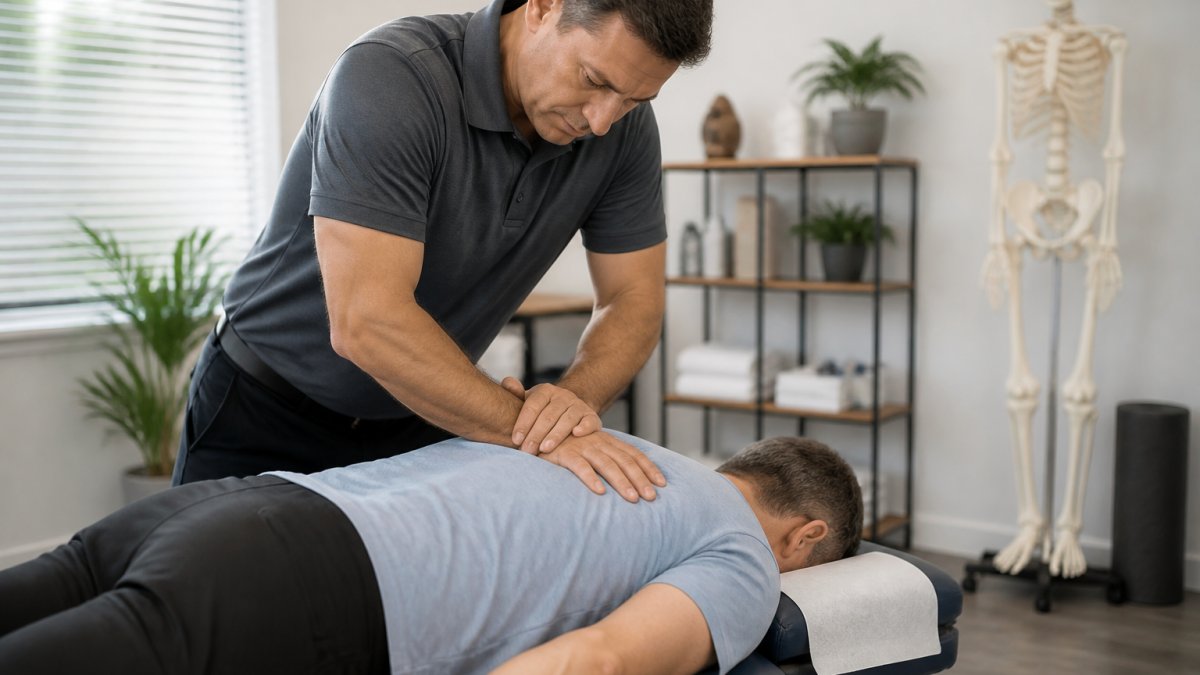
Chiropractic treatment for auto accident injuries offers a non-invasive approach that focuses on restoring proper spinal alignment and function. Rather than masking symptoms with medication, chiropractic care addresses the mechanical dysfunction that drives much of the pain associated with whiplash and lower back injuries. For many patients, this can be an effective recovery path.
A chiropractor performs specific adjustments to correct spinal joint dysfunction and reduce nerve impingement. These adjustments restore mobility to the vertebrae, which decreases inflammation and allows the surrounding muscles to relax. Patients may experience improvement in their range of motion and a reduction in pain.
What sets effective chiropractic care apart is the commitment to understanding each patient's unique injury pattern. A thorough initial examination, combined with a treatment plan tailored to your specific condition, is designed to help achieve better outcomes. At Natural Healing Arts Medical, led by Dr. David Zamikoff, the focus is on listening to your concerns and developing a plan that addresses both your immediate pain and your long-term wellness objectives.
The Psychological Impact of Chronic Pain and Ergonomic Adjustments
The psychological impact of chronic pain is often overlooked, yet it significantly influences recovery. Living with persistent discomfort can lead to frustration, anxiety, and depression, which in turn heighten pain perception and reduce motivation to engage in rehabilitation. Acknowledging this connection and seeking support when needed is an important part of the healing process.
Ergonomic adjustments for daily life during recovery can also make a substantial difference. If you work at a desk, ensure your chair provides adequate lumbar support and that your monitor is at eye level to reduce forward head posture. When driving, position your seat so your knees are slightly lower than your hips and use a lumbar roll if needed. These small changes reduce the strain placed on your lower back throughout the day and complement your clinical treatment.
| Recovery Strategy | What It Addresses | Typical Frequency | Best For |
|---|---|---|---|
| Chiropractic adjustments | Spinal joint dysfunction, nerve impingement | 2-3 times weekly initially | Acute pain, restricted mobility |
| Physical therapy | Muscle weakness, movement patterns | 1-2 times weekly plus home exercises | Long-term rehabilitation |
| Ergonomic adjustments | Daily strain on lumbar spine | Daily implementation | Desk workers, frequent drivers |
| Home mobility exercises | Stiffness, circulation | Daily, 5-10 minutes | All patients in recovery |
Conclusion: Your Path to Recovery
Recovering from persistent lower back pain after a car accident requires more than just waiting for time to heal the injury. It demands a comprehensive approach that addresses the structural damage, the muscle dysfunction, and the psychological toll that chronic pain takes on your life. The good news is that most auto accident injuries respond well to conservative, non-invasive treatment when it is started promptly and pursued consistently.
Natural Healing Arts Medical aims to help accident victims in the Bradenton area restore their mobility and return to the activities they love. Dr. Zamikoff and our team provide compassionate, individualized chiropractic care that treats the whole person, not just the symptoms. We accept most health insurance and Medicare, and we offer flexible payment plans to ensure that financial concerns do not stand between you and the care you deserve.
If you have been living with back pain after an accident, you do not have to accept it as your new normal. Schedule an appointment with Natural Healing Arts Medical and take the first step toward restoring long-lasting pain relief and freedom of movement.
Frequently Asked Questions
How long does lower back pain last after a car accident?
The duration varies. Acute pain from soft tissue injuries like muscle strain or ligament sprain often improves within a few weeks. However, persistent lower back pain lasting longer than three months is considered chronic. This can result from unresolved injuries like a herniated disc or spinal joint dysfunction. Delayed symptoms can also appear days after the accident, making early evaluation important. A specialist can help determine the cause of your pain and recommend a treatment plan tailored to your recovery.
Can a car accident cause permanent back pain?
While most back pain after a collision resolves with proper care, some injuries can lead to long-term or chronic pain if not treated effectively. Damage to the lumbar spine, such as a herniated disc, nerve impingement, or vertebral fracture, can cause persistent symptoms. The force of impact can also lead to biomechanical changes that contribute to ongoing discomfort. Seeking timely chiropractic treatment for auto accident injuries can help manage pain and improve mobility, potentially preventing acute issues from becoming permanent.
What are the warning signs that a lower back injury is serious?
You should seek immediate medical attention if you experience severe pain, numbness and tingling in your legs or feet, weakness, or loss of bladder or bowel control. These can be signs of nerve impingement, spinal cord compression, or a vertebral fracture. Other red flags include pain that worsens despite rest or pain that disrupts your sleep. A doctor can perform an orthopedic evaluation and use diagnostic imaging like an MRI or CT scan to identify the cause of these symptoms.