 ultimate-guide
Viscosupplementation for Knee Pain: A 2026 Guide
Table of Contents
- What Is Viscosupplementation for Knee Pain?
- How Does the Viscosupplementation Procedure Work?
- Candidates for Knee Viscosupplementation
- How Long Do Knee Gel Injections Last?
- Effectiveness and Clinical Evidence
- Side Effects, Risks, and Recovery
- Viscosupplementation vs. Surgical Options
- Insurance Coverage and Cost Considerations
- Lifestyle Integration After Knee Gel Injections
- Frequently Asked Questions
Last Updated: August 21, 2026
What Is Viscosupplementation for Knee Pain?
Viscosupplementation is a minimally invasive treatment that injects hyaluronic acid directly into the knee joint to reduce pain and restore mobility in people with osteoarthritis. The procedure mimics the body's natural synovial fluid, which lubricates and cushions the joint. When osteoarthritis develops, this protective fluid breaks down, leaving the joint unprotected and causing friction, stiffness, and chronic pain.
At Natural Healing Arts Medical in Bradenton, we recognize that viscosupplementation represents a meaningful alternative for patients who want to avoid surgery, particularly those with mild to moderate knee osteoarthritis who haven't found adequate relief through physical therapy or conservative approaches alone.
The procedure typically involves a series of injections administered over several weeks. Each injection deposits hyaluronic acid into the joint space, providing lubrication and reducing the inflammatory response that drives pain and cartilage degradation. Unlike corticosteroid injections, which work primarily through anti-inflammatory mechanisms, viscosupplementation addresses the underlying mechanical problem: joint cushioning.
How Does the Viscosupplementation Procedure Work?
The viscosupplementation procedure follows a straightforward protocol designed to deliver hyaluronic acid precisely into the knee joint while minimizing discomfort and risk.
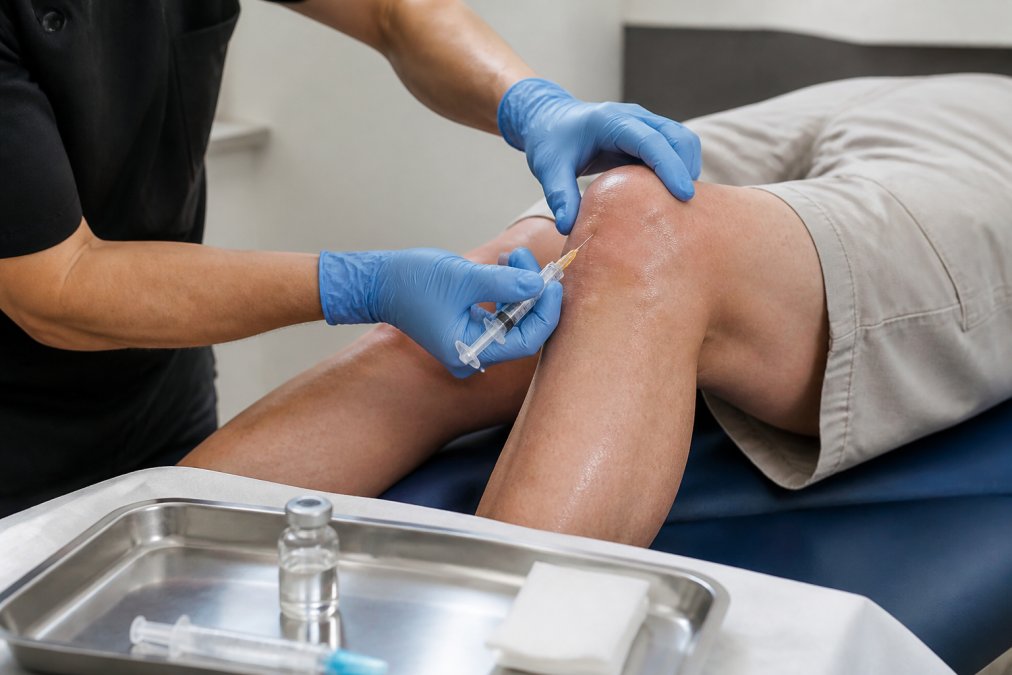
Before the injection, the skin over the injection site is cleaned with an antiseptic solution. Many practitioners apply a topical anesthetic or use ice to numb the area. The physician uses anatomical landmarks to identify the precise injection location. Some clinics use ultrasound guidance to visualize the joint and ensure accurate placement, improving accuracy and reducing the chance of missing the joint capsule.
Once positioned correctly, the hyaluronic acid solution is slowly injected into the joint. The entire process typically takes just a few minutes, with patients reporting pressure rather than sharp pain. After injection, the area may be wrapped lightly or the patient instructed to rest briefly.
Most protocols involve three to five injections spaced one week apart. Natural Healing Arts Medical typically incorporates physical therapy during treatment to maximize outcomes. Movement helps distribute the hyaluronic acid throughout the joint and stimulates the body's healing response.
The entire treatment series usually spans 3-5 weeks depending on the specific product used and your individual protocol.
Candidates for Knee Viscosupplementation
Not everyone with knee pain is a suitable candidate for viscosupplementation. The treatment works best for specific patient profiles and stages of osteoarthritis.
Ideal candidates typically have:
- Mild to moderate knee osteoarthritis confirmed by imaging or clinical assessment
- Chronic knee pain that has persisted despite conservative treatment (physical therapy, weight management, anti-inflammatory medications)
- Adequate remaining cartilage in the knee joint
- No active knee infection or significant inflammatory conditions like rheumatoid arthritis
- Realistic expectations about the timeline and degree of pain relief
- Commitment to post-injection physical therapy and activity modification
Candidates generally fall into two categories: patients with early-stage osteoarthritis who want to delay or avoid surgery, and those who have tried other treatments and achieved only partial relief. Age alone doesn't determine candidacy. However, patients with severe osteoarthritis, bone-on-bone joint damage, or significant joint space narrowing typically don't respond well to viscosupplementation.
Certain medical conditions may disqualify someone from the procedure. Active infections in or around the knee, severe inflammatory arthropathies, or allergies to hyaluronic acid products would make viscosupplementation unsuitable. A thorough consultation with a qualified healthcare provider is essential to determine your candidacy.
How Long Do Knee Gel Injections Last?
The duration of relief from viscosupplementation varies considerably among patients, ranging from a few months to over a year. Most patients experience symptom improvement beginning within the first 2-4 weeks after starting the injection series, with peak benefit often occurring 8-12 weeks after the initial injection (peer-reviewed research). Many patients maintain meaningful pain reduction for 6-12 months.
However, individual results differ significantly. Some patients report sustained relief for only 3-4 months, while others enjoy benefits lasting 18 months or longer. Factors influencing duration include the severity of your osteoarthritis, your activity level, body weight, and compliance with post-injection physical therapy recommendations. Patients who continue strengthening exercises and maintain appropriate activity levels tend to experience longer-lasting benefits.
The good news is that viscosupplementation can be repeated. If your pain returns after the initial series wears off, you can receive additional injections. Many patients follow a pattern of receiving treatment annually or every 18 months, depending on their symptom trajectory.
Effectiveness and Clinical Evidence
The question of whether viscosupplementation holds up under scientific scrutiny has generated substantial clinical research. Multiple systematic reviews found that hyaluronic acid injections do produce measurable pain reduction and functional improvement compared to placebo in many studies (peer-reviewed research). However, the magnitude of benefit is often modest, typically in the range of 20-30% pain reduction rather than complete relief (peer-reviewed research).
A key finding from clinical trials is that viscosupplementation appears more effective for patients with mild to moderate osteoarthritis than for those with severe disease. This aligns with the mechanism of action: the treatment works best when there's still adequate joint structure to protect and lubricate. Evidence suggests that earlier intervention, before severe cartilage damage occurs, produces better outcomes.
Patient-reported outcome measures reveal that many patients value viscosupplementation beyond pain scores alone. Improved range of motion, reduced stiffness, and restored ability to walk, climb stairs, or participate in activities they enjoy matter significantly to quality of life. These functional improvements sometimes persist longer than pain reduction.
Side Effects, Risks, and Recovery
Like any medical procedure, viscosupplementation carries potential risks and side effects that you should understand before proceeding. Most reactions are mild and temporary.
Common side effects occurring in the days after injection include mild swelling, warmth, or slight increased pain at the injection site. These reactions typically resolve within 24-72 hours and can be managed with ice, elevation, and over-the-counter pain relief. Some patients experience temporary stiffness or a sensation of fluid in the joint, which is normal as the hyaluronic acid integrates.
Injection site reactions represent the most frequent adverse event, including redness, bruising, or minor bleeding at the puncture site. Infection at the injection site is rare but possible; signs include increasing redness, warmth, swelling, or drainage. Contact your healthcare provider immediately if you suspect an infection.
More serious but uncommon complications include septic arthritis (joint infection), allergic reactions to the hyaluronic acid product, or transient inflammatory flare-ups. Some patients experience a temporary increase in pain lasting several days after injection before improvement begins.
The recovery period after viscosupplementation is minimal compared to surgical interventions. Most patients can resume light activities immediately, though strenuous exercise should be avoided for 24-48 hours after each injection. Physical therapy typically begins within days of the first injection.
Long-term safety data supports viscosupplementation as a well-tolerated treatment. The hyaluronic acid injected into the joint is biocompatible and eventually breaks down naturally, just like the body's own synovial fluid.
Viscosupplementation vs. Surgical Options
When facing chronic knee pain from osteoarthritis, patients often wonder whether viscosupplementation or surgery represents the better choice.
Viscosupplementation is a non-surgical, reversible treatment with minimal recovery time. You can return to normal activities almost immediately. The downside is that results are often modest and temporary, with pain reduction typically ranging from 20-40%, and relief usually lasting 6-12 months before requiring retreatment.
Knee replacement surgery offers more dramatic and durable pain relief for advanced osteoarthritis. Patients with severe disease often experience near-complete pain elimination and restored function lasting 15-20 years. However, surgery involves significant recovery time, rehabilitation requirements, and inherent surgical risks. The procedure is also irreversible.
The key distinction lies in disease severity. For mild to moderate osteoarthritis, viscosupplementation often provides meaningful relief without the risks and recovery burden of surgery. For severe osteoarthritis with bone-on-bone contact and significant functional loss, surgery typically offers better long-term outcomes.
Many patients benefit from a staged approach: viscosupplementation first, followed by surgery if conservative treatments eventually fail. This strategy maximizes your years of pain-free or low-pain function while delaying the irreversible step of surgery as long as possible.
| Treatment | Pain Relief | Duration | Recovery Time | Reversibility | Best For |
|---|---|---|---|---|---|
| Viscosupplementation | Mild to moderate (20-40%) | 6-12 months | Minimal (days) | Yes | Early-moderate osteoarthritis |
| Physical Therapy | Variable (10-30%) | Ongoing if continued | Immediate | Yes | Mild pain, prevention |
| Corticosteroid Injections | Moderate (30-50%) | 2-4 months | Minimal | Yes | Acute inflammation |
| Knee Replacement Surgery | Severe (80-95%) | 15-20 years | Significant (weeks-months) | No | Severe, advanced disease |
Insurance Coverage and Cost Considerations
Understanding the financial side of viscosupplementation helps you plan treatment and avoid unexpected expenses. Many insurance plans, including Medicare, cover viscosupplementation when deemed medically necessary, typically meaning conservative treatments have been tried first without adequate relief.
The specific hyaluronic acid formulation affects coverage decisions. Some insurance plans cover all approved products equally, while others have preferred brands or require prior authorization. Natural Healing Arts Medical accepts most health insurance and Medicare, which simplifies the coverage process for many patients.
Out-of-pocket costs depend on your insurance plan's deductible, copay structure, and coinsurance requirements. Natural Healing Arts Medical offers flexible payment plans to help manage costs, ensuring that financial barriers don't prevent you from accessing care.
The cost of viscosupplementation is substantially lower than the cost of knee replacement surgery or prolonged use of prescription pain medications. When evaluating affordability, consider the long-term value of avoiding these more expensive alternatives.
Lifestyle Integration After Knee Gel Injections
The period following your viscosupplementation series represents a critical window for maximizing treatment benefits. How you use your knee during the weeks and months after injection significantly influences how long the relief lasts.

Physical therapy during your viscosupplementation treatment program is essential. Targeted exercises strengthen the muscles supporting your knee, improve range of motion, and help distribute the hyaluronic acid throughout the joint. Your therapist will design a program specific to your needs and gradually increase intensity as your pain decreases.
Post-injection activity should follow a progressive approach. The first week emphasizes rest and gentle movement. Weeks two through four allow gradual increase in activity as your knee adapts. By weeks five and beyond, most patients can return to their baseline activities, provided they remain pain-controlled.
Weight management plays a supporting role in long-term knee health. Extra body weight increases stress on the knee joint, potentially accelerating cartilage breakdown and reducing the duration of viscosupplementation benefits. Even modest weight loss of 5-10 pounds can meaningfully reduce joint stress and improve outcomes.
Activity modification helps preserve your gains. High-impact activities like running, jumping, or heavy lifting should be avoided or minimized. Lower-impact alternatives, swimming, cycling, walking, and water aerobics, provide cardiovascular fitness and strengthen supporting muscles without excessive joint stress.
Consistent, moderate activity produces better long-term outcomes than complete rest. The key is balance: enough movement to maintain strength and mobility, but not so much that you aggravate the joint.
Viscosupplementation for knee pain represents a meaningful option for many patients navigating osteoarthritis management. The treatment isn't a cure, and it won't work for everyone, but for appropriate candidates with mild to moderate disease who want to avoid surgery, it often provides meaningful relief and restored function.
Natural Healing Arts Medical, led by Dr. David Zamikoff, specializes in this surgery-free approach to knee osteoarthritis, combining viscosupplementation with physical therapy to optimize outcomes and help patients restore long-lasting pain relief and freedom of movement. Selected as one of America's Best Chiropractors for 2014-2024, the practice brings evidence-based expertise and compassionate care to patients throughout Bradenton seeking non-surgical solutions.
Schedule an appointment with Natural Healing Arts Medical today to discuss whether viscosupplementation is right for your knee pain and explore a personalized treatment pathway.
Frequently Asked Questions
Q: What is the success rate of viscosupplementation for knee pain?
Clinical trials show viscosupplementation provides meaningful pain relief for many patients with mild to moderate osteoarthritis. Success rates vary based on disease severity and individual response, with studies reporting functional improvement and reduced pain in a percentage of patients. Results depend on factors like cartilage damage extent and overall joint health. Your healthcare provider can assess your specific situation during a consultation to discuss realistic outcomes for your condition.
Q: Who is the ideal candidate for knee gel injections?
Candidates for knee viscosupplementation typically have mild to moderate osteoarthritis, have tried conservative treatments like physical therapy without adequate relief, and want to avoid or delay knee replacement surgery. Ideal candidates are generally in good overall health and have realistic expectations about pain management rather than cure. Conditions like severe cartilage loss, active infections, or certain inflammatory disorders may make you ineligible. A qualified healthcare provider can determine if you're a suitable candidate after evaluating your knee imaging and medical history.
Q: How long do knee gel injections typically provide relief?
Viscosupplementation injections generally provide pain relief lasting 3-6 months, with some patients experiencing benefits for up to a year. Duration varies significantly between individuals based on disease severity, activity level, and body response to hyaluronic acid. Many patients receive repeat injection series annually to maintain symptom control. The procedure is not permanent, but it can delay the need for more invasive interventions. Your healthcare provider will discuss a treatment schedule that works for your pain management goals.
Q: What are the common side effects of viscosupplementation?
Most patients tolerate viscosupplementation well. Common side effects include temporary injection site reactions like mild pain, swelling, or warmth at the injection area, typically resolving within days. Some patients experience a transient increase in pain or stiffness for 24-48 hours post-injection. Serious adverse events are rare but can include infection or allergic reaction. Patients with egg allergies should inform their provider, as some hyaluronic acid products are derived from rooster combs. Discuss your medical history and any allergies with your healthcare team before the procedure.
Q: Is viscosupplementation worth it compared to surgery?
Viscosupplementation offers a non-surgical alternative that preserves your natural joint and avoids surgical risks and recovery time. It's worth considering if you have mild to moderate osteoarthritis and want to delay or avoid knee replacement surgery. The procedure is less invasive than surgery, has minimal downtime, and allows you to maintain normal activities. However, it's not permanent and requires repeat treatments. Surgery becomes more appropriate for severe joint damage or when conservative treatments fail. The best choice depends on your disease severity, activity goals, and personal preferences, discuss both options with your healthcare provider.
Q: How does viscosupplementation compare to corticosteroid injections?
Both viscosupplementation and corticosteroid injections are intra-articular treatments for knee pain, but they work differently. Corticosteroids reduce inflammation quickly but carry risks with repeated use, while hyaluronic acid mimics synovial fluid to improve joint lubrication and may have longer-lasting effects with fewer restrictions on frequency. Viscosupplementation typically requires a series of injections, whereas corticosteroids often provide faster initial relief. Your healthcare provider can recommend which option suits your condition, or suggest combining them for optimal pain management depending on your clinical presentation.
Q: Can viscosupplementation prevent knee replacement surgery?
Viscosupplementation may delay the need for knee replacement surgery by providing sustained pain relief and improving functional ability, allowing patients to maintain activity and quality of life. However, it cannot reverse cartilage degradation or cure osteoarthritis, so it's not a permanent solution. Some patients avoid surgery long-term through repeated viscosupplementation treatments combined with physical therapy and lifestyle modifications. Others eventually progress to knee replacement if joint damage worsens. Early intervention with viscosupplementation when osteoarthritis is mild to moderate offers the best chance of delaying surgical intervention.
Q: How long does it take for viscosupplementation to start working?
Some patients notice pain relief within days of their first injection, while others require the full series of 3-5 injections over several weeks to experience maximum benefit. Most patients report meaningful improvement within 2-4 weeks of completing the injection series. The hyaluronic acid works gradually to restore joint lubrication and reduce inflammation, so patience is important. Don't expect immediate dramatic relief like you might with a corticosteroid injection. Consistent physical therapy during treatment helps optimize results. Your healthcare provider will monitor your progress and adjust your treatment plan as needed.