 comparison
Wave Chiropractic vs Revive Family: Which Is Right for You?
Table of Contents
- Wave Chiropractic vs Revive Family: At-a-Glance Comparison
- Chiropractic Techniques Explained: What Each Practice Uses
- Family Chiropractic Care Benefits: What Both Practices Offer
- Pediatric Chiropractic Adjustments: How Each Practice Approaches Children's Care
- Cost of Chiropractic Care Without Insurance: What to Expect
- Safety, Contraindications, and Evidence-Based Standards
- Wave Chiropractic vs Revive Family: Who Is Each Practice Best For?
- Frequently Asked Questions
Last Updated: July 31, 2026
Choosing between wave chiropractic vs revive family approaches is a question more Bradenton-area patients are asking as chiropractic care expands beyond simple back cracking into full-spectrum family wellness. The real answer depends less on brand names and more on the underlying philosophy, techniques, and scope of services each practice type offers. Below, we'll break down exactly what separates these two approaches, where each excels, and who genuinely benefits most from each model.
The difference between a wave-based neurological model and a revive family-centered model can mean the difference between addressing the root cause of your chronic pain and managing symptoms indefinitely.
Wave Chiropractic vs Revive Family: At-a-Glance Comparison
Wave chiropractic models typically center on neurological regulation, using gentle, low-force adjustments designed to restore the nervous system's communication pathways. Revive family chiropractic models tend to prioritize comprehensive family wellness, offering broader service menus that span pediatric care, prenatal adjustments, sports injury recovery, and chronic pain management under one roof.
Philosophy and Patient-Centered Approach
Wave-based practices operate from a vitalistic framework: the body heals itself when nervous system interference is removed. Subluxation correction is the primary goal, and patient education around long-term nervous system health drives the clinical model.
Revive family models take a wider lens. The philosophy is that spinal health and holistic health are inseparable from lifestyle, activity level, and life stage. A practice built around family wellness adapts technique and communication style to each patient, whether a three-year-old, pregnant mother, or 60-year-old with sciatica.
Neither philosophy is wrong. The question is which one matches your specific health objectives.
Core Services Side by Side
| Feature | Wave Chiropractic Model | Revive Family Model |
|---|---|---|
| Primary Focus | Nervous system regulation | Comprehensive family wellness |
| Adjustment Style | Low-force, neurological | Manual therapy, varied techniques |
| Pediatric Care | Limited or specialized | Core service offering |
| Prenatal Adjustments | Varies by practitioner | Typically included |
| Sports Injury Recovery | Secondary offering | Frequently featured |
| Pain Management | Indirect via nervous system | Direct treatment protocols |
| Wellness Plans | Long-term maintenance | Preventative and acute care |
| Best For | Chronic nervous system issues | Families, mixed age groups |
Chiropractic Techniques Explained: What Each Practice Uses
Technique matters more than most patients realize. Two chiropractors can treat the same diagnosis and produce completely different outcomes based on their method of spinal adjustment.
Upper Cervical and Spinal Adjustment Methods
Upper cervical chiropractic focuses exclusively on the top two vertebrae of the spine, the atlas and axis. Practitioners argue that misalignment at the upper cervical level creates dysfunction throughout the entire musculoskeletal system. Wave-oriented practices frequently incorporate upper cervical specifics, using precision imaging and low-force corrections.
Revive family models more commonly use a broader range of spinal alignment techniques, including Diversified technique, Gonstead, and Thompson Drop Table methods. These approaches address the full spine and pelvis, making them well-suited to the variety of presentations a family practice encounters.
According to the American Chiropractic Association's clinical guidelines, both upper cervical and full-spine methods have demonstrated clinical value, with technique selection best guided by individual patient presentation.
Manual Therapy, Subluxation Correction, and Nervous System Regulation
Subluxation is the term chiropractors use to describe a vertebral segment that has lost its normal position or motion, creating interference in the nervous system's ability to communicate effectively with the body. Both wave and revive family models treat subluxation, but their emphasis differs.
Wave chiropractic treats subluxation as the primary driver of dysfunction. Every adjustment aims at restoring nervous system regulation, assuming that once neurological interference is cleared, the body's innate healing capacity handles the rest.
Revive family practices treat subluxation as one factor among many. Manual therapy, soft tissue work, and rehabilitation exercises often accompany spinal correction. This integrated approach suits patients with musculoskeletal complaints, sports injuries, and postural issues where the problem has both structural and neurological components.
Family Chiropractic Care Benefits: What Both Practices Offer
Family chiropractic care benefits extend well beyond pain relief. A practice designed around families creates continuity of care across generations, which produces better long-term health outcomes than episodic treatment.
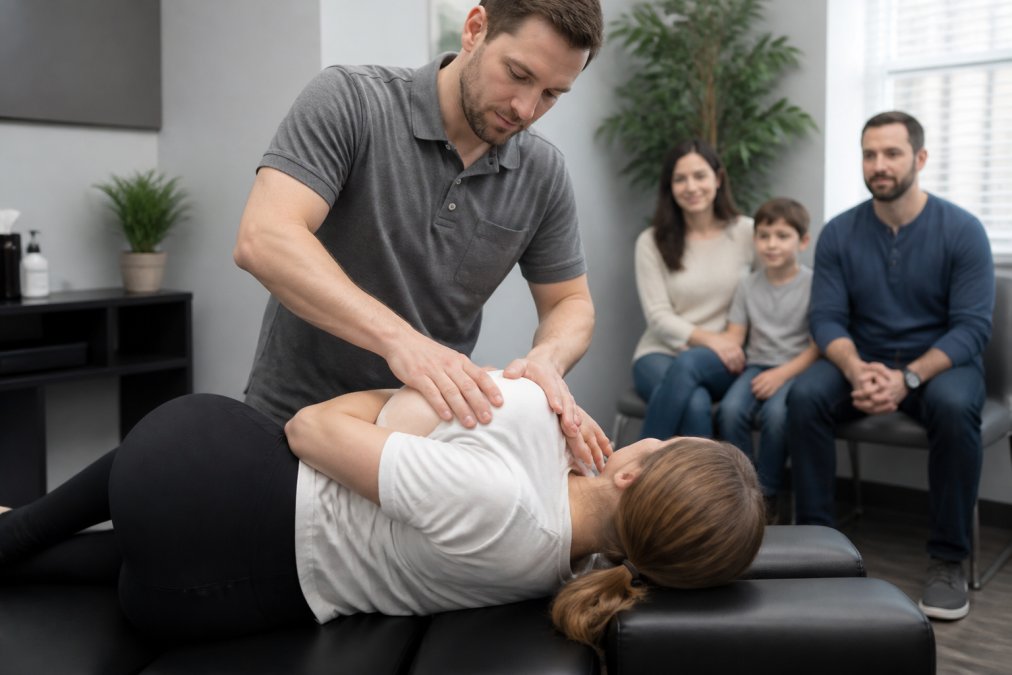
Research from the National Center for Complementary and Integrative Health confirms that spinal manipulation is an evidence-supported approach for several common conditions, including low back pain, neck pain, and headaches, with a favorable safety profile when performed by licensed practitioners.
Prenatal and Pregnancy Chiropractic Adjustments
Prenatal care is one of the most compelling arguments for choosing a revive family model. Pregnancy creates significant biomechanical changes, including increased lumbar lordosis, pelvic ligament laxity, and shifting center of gravity. These changes frequently produce low back pain, sciatica, and hip discomfort.
Prenatal chiropractic adjustments, particularly those using the Webster Technique, aim to restore pelvic alignment and reduce tension on the uterine ligaments. Many pregnant patients report meaningful relief from back pain and improved mobility. The technique uses a modified table and gentle force, making it appropriate throughout pregnancy.
Revive family models typically train specifically for this population and create a clinical environment that accommodates pregnant patients comfortably.
Sports Injury Recovery and Pain Management for Adults
Sports injury recovery sits comfortably in both models, though the approach differs. Wave practices address sports injuries through nervous system restoration. Revive family practices tend to add rehabilitation protocols, therapeutic exercise, and soft tissue work to the adjustment, which many sports medicine practitioners consider the more complete approach for musculoskeletal injuries.
For adults managing chronic pain, sciatica, or headaches, the revive family model's broader toolkit often produces faster functional improvement.
Pediatric Chiropractic Adjustments: How Each Practice Approaches Children's Care
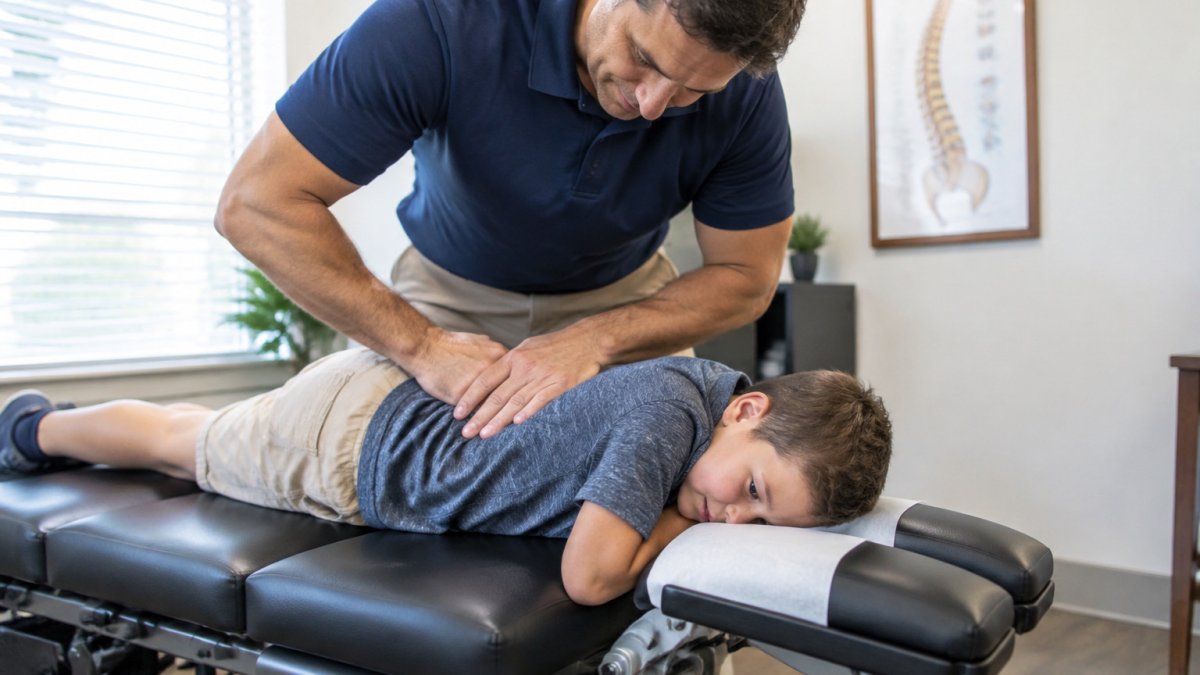
Pediatric chiropractic adjustments require a fundamentally different skill set than adult care. The forces used are dramatically lighter, often no more pressure than you'd use to test the ripeness of a tomato. For children, the focus is frequently on neurodevelopmental support, immune function, and postural development rather than pain relief.
Revive family models almost universally offer pediatric wellness as a core service. Practitioners in these settings are typically trained in pediatric assessment and understand how to communicate with children and their parents. Common presentations include birth-related spinal stress, ear infections, colic, and postural asymmetries in school-age children.
Wave chiropractic models vary considerably on pediatric care. Some wave practitioners are excellent with children because their low-force approach translates naturally to pediatric adjustments. Others focus primarily on adult neurology and may not be the best fit for a family seeking care for their kids.
If pediatric chiropractic adjustments are a priority for your family, ask specifically about the practitioner's training and experience with children before booking.
Cost of Chiropractic Care Without Insurance: What to Expect
The cost of chiropractic care without insurance varies considerably based on location, technique complexity, and the scope of the initial examination. Initial consultations typically cost more than follow-up adjustments because they include a comprehensive health history, orthopedic testing, and often digital X-rays.
Pricing for chiropractic services is not standardized nationally. Urban practices in Florida tend to price higher than rural counterparts. Specialty techniques like upper cervical care sometimes carry a premium over standard manual adjustment. Wellness plan packages, which bundle multiple visits at a reduced per-visit rate, are common in both wave and revive family models.
Insurance, Medicare, and Flexible Payment Options
Most health insurance plans cover chiropractic adjustment to some degree, though the number of covered visits per year and the required copay vary by plan. Medicare covers chiropractic manipulation for the correction of subluxation when deemed medically necessary, but does not cover examination fees or other services.
For patients without insurance or with high deductibles, many practices offer flexible payment plans or discounted cash-pay rates.
Natural Healing Arts Medical accepts most health insurance and Medicare, and offers flexible payment plans for patients whose coverage leaves gaps.
According to Medicare's official coverage guidelines for chiropractic services, Medicare Part B covers manual manipulation of the spine when medically necessary, but patients should confirm current coverage terms directly with Medicare.
Safety, Contraindications, and Evidence-Based Standards
Chiropractic care has a strong overall safety record for appropriately screened patients, but it is not without contraindications. The most serious risk associated with cervical manipulation, vertebral artery dissection, is rare but real. Patients with osteoporosis, inflammatory arthritis, spinal cord compression, or certain vascular conditions require modified techniques or may not be appropriate candidates for manual adjustment.
Evidence-based chiropractic practice means the practitioner conducts a thorough intake, reviews relevant imaging, and screens for contraindications before performing any adjustment. It also means the treatment plan is responsive to patient progress, not a fixed protocol applied to everyone regardless of outcome.
A common mistake is assuming that "gentle" automatically means "safe for everyone." Gentle technique still requires contraindication screening. If a practitioner skips the intake process and moves directly to treatment, that is a red flag regardless of the technique used.
Wave Chiropractic vs Revive Family: Who Is Each Practice Best For?
The wave chiropractic vs revive family decision ultimately comes down to your specific health situation, your family's needs, and how you prefer to engage with a healthcare provider.
Wave chiropractic is best for:
- Adults with chronic neurological symptoms, including recurring headaches and systemic complaints
- Patients who prefer a focused, low-force approach to spinal health
- Individuals committed to long-term nervous system maintenance as a wellness philosophy
- Those who have not responded well to high-velocity adjustment in the past
Revive family chiropractic is best for:
- Families seeking a single practice that can care for members of all ages
- Pregnant women needing prenatal chiropractic adjustments
- Children requiring pediatric wellness support
- Athletes and active adults managing sports injuries alongside routine wellness care
- Patients with acute musculoskeletal complaints who benefit from integrated manual therapy
Many practices blend both philosophies, using neurological assessment tools alongside comprehensive family services. The most important variable is the individual practitioner's training, clinical judgment, and willingness to adapt the care plan to your specific needs.
The best chiropractic practice for you is the one where the practitioner listens, explains the clinical rationale for each recommendation, and adjusts the plan when you're not progressing.
Choosing the right chiropractic care model is genuinely difficult when you're already in pain and every practice sounds similar on paper. Natural Healing Arts Medical, led by Dr. David Zamikoff, offers comprehensive chiropractic care in Bradenton, FL, with a patient-centered approach that addresses conditions ranging from headaches and disc injuries to whiplash and work-related injuries. The practice accepts most health insurance and Medicare, offers flexible payment plans, and has been recognized as one of America's Best Chiropractors every year from 2014 through 2024 by the National Consumer Research Board. Schedule an appointment with Natural Healing Arts Medical to get a personalized assessment and a care plan built around your actual health goals, not a generic protocol.
Frequently Asked Questions
What types of chiropractic techniques do Wave Chiropractic and Revive Family Chiropractic use?
Both practices typically offer a range of manual therapy and spinal adjustment techniques, which may include upper cervical adjustments, diversified technique, and soft tissue work aimed at subluxation correction and nervous system regulation. The specific methods used vary by practitioner and patient need. When comparing chiropractic care options, ask each clinic which evidence-based techniques they use and whether their approach is tailored to your specific condition, such as sciatica, headache relief, or sports injury recovery.
Do Wave Chiropractic and Revive Family Chiropractic offer pediatric chiropractic adjustments?
Many family chiropractic practices, including those positioning themselves as family wellness providers, offer pediatric chiropractic adjustments. These are typically gentler than adult adjustments and may address neurodevelopmental concerns, posture correction, or general spinal health. Before scheduling pediatric chiropractic care, confirm that the chiropractor has specific training and experience with children, and discuss your child's health history thoroughly during an initial consultation.
How does the cost of chiropractic care without insurance compare between these two practices?
The cost of chiropractic care without insurance varies widely depending on the clinic, location, treatment complexity, and number of visits required. Without insurance, patients typically pay per visit or through a wellness plan package. Neither practice's exact pricing is publicly confirmed here, so contact each clinic directly for current rates. Some practices offer flexible payment plans or sliding-scale fees. If cost is a concern, ask upfront about all fees, package options, and whether Medicare or private insurance is accepted.
What should I consider when choosing a family chiropractor in the Bradenton area?
When choosing family chiropractic care, consider the practice's philosophy, whether it leans toward holistic health and long-term wellness or focuses on acute pain management and rehabilitation. Look for personalized treatment plans, transparency about techniques used, experience with your specific condition (such as chronic pain, sciatica, or prenatal care), insurance acceptance, and clear communication about expected visit frequency and outcomes. Checking for recognized credentials and patient reviews also helps you make a more confident, informed decision.
Is chiropractic care safe for pregnant women and children?
Chiropractic care can be appropriate for pregnant women and children when performed by a qualified practitioner using techniques suited to each patient's condition. Prenatal chiropractic adjustments often focus on pelvic alignment and posture correction to support comfort during pregnancy. Pediatric adjustments use very light pressure. However, chiropractic care is not appropriate for everyone, certain conditions are contraindications. Always disclose your full health history and consult your primary care provider before beginning any chiropractic treatment during pregnancy or for a child.