 ultimate-guide
Why Knee Pain Gets Worse With Age: What You Can Do
Table of Contents
- How Knee Osteoarthritis Changes the Joint Over Time
- Muscle Loss, Weight, and Past Injuries: The Three Accelerators
- Natural Ways to Manage Osteoarthritis Without Surgery
- Viscosupplementation for Knee Pain: What to Expect
- Home Modifications and Daily Habits That Reduce Strain
- The Emotional Toll of Chronic Knee Pain
- When to See a Doctor for Chronic Knee Pain
- Frequently Asked Questions
Last Updated: September 24, 2026
How Knee Osteoarthritis Changes the Joint Over Time
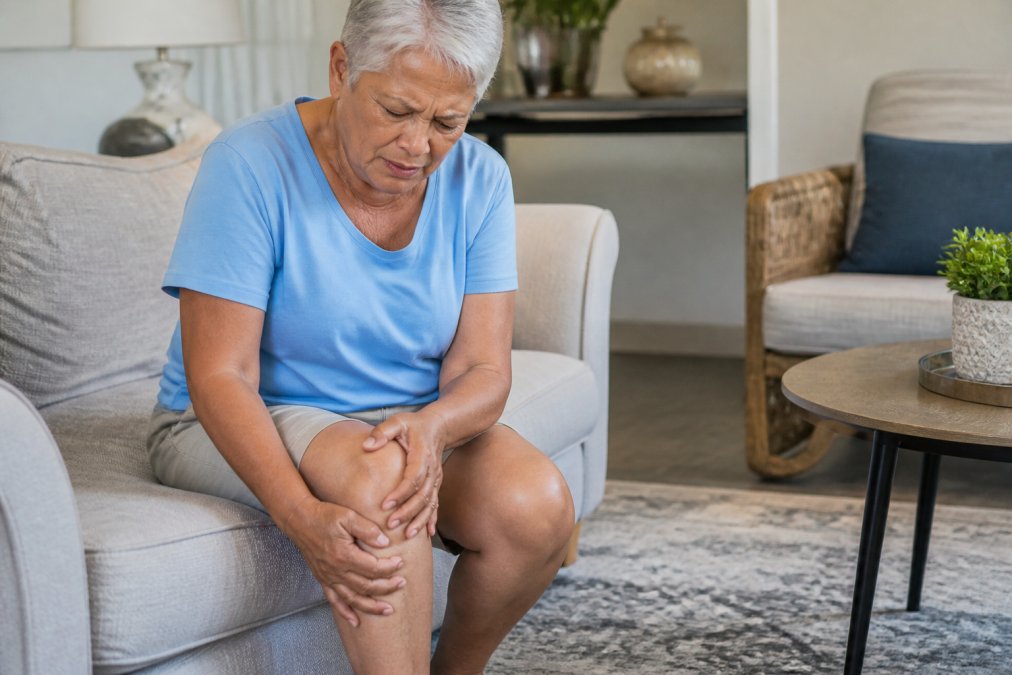
Knee osteoarthritis is a degenerative joint disease in which the cartilage that cushions the knee gradually breaks down, changing how the joint moves and feels over decades. At Natural Healing Arts Medical, we see this progression most often in adults over 50, and understanding it is the first step toward managing knee pain that worsens with age.
The changes happen slowly, which is exactly why they catch people off guard. A knee that felt fine at 40 can feel stiff and unreliable by 55, even without a single injury to point to.
Cartilage Loss and Joint Space Narrowing
Cartilage is the smooth tissue covering the ends of the femur, tibia, and patella. It has no blood supply, so it repairs poorly once damaged. As cartilage thins, the space between bones narrows, a change doctors call joint space narrowing and one of the defining signs of osteoarthritis on an X-ray.
The menisci, the shock-absorbing pads between the bones, degenerate alongside the cartilage. When both wear down, the knee loses its natural cushioning, and what was once smooth gliding becomes grinding. That grinding sensation, called crepitus, is often the first thing patients notice on stairs.
Synovial Fluid and Lubrication Decline
Synovial fluid is the egg-white-like liquid that lubricates the joint and delivers nutrients to cartilage. With age, its quality and quantity drop, so the joint loses lubrication just as the surfaces become rougher.
The result is a double problem: less cushioning and less slipperiness. Inflammation often follows, which further degrades the joint environment and drives the stiffness and swelling that make morning movement difficult. According to the Arthritis Foundation's osteoarthritis overview, this cycle of wear and inflammation is central to how osteoarthritis progresses.
Muscle Loss, Weight, and Past Injuries: The Three Accelerators
Three factors speed up knee degeneration more than anything else: muscle atrophy, excess body weight, and old injuries. Each one changes the biomechanics of the knee, and together they can turn slow wear into rapid decline.
How Muscle Atrophy Affects Joint Alignment and Gait
The quadriceps act as the knee's shock absorbers. When muscle mass drops with age, typically starting in the 40s and accelerating after 60, the knee absorbs force directly instead of through muscle. This shifts joint alignment, alters your gait, and concentrates pressure on worn cartilage.
A common mistake is treating rest as the solution. In practice, rest accelerates muscle atrophy and makes the joint less stable, not more. Strengthening the surrounding muscles is one of the few interventions that reliably slows symptom progression.
Natural Ways to Manage Osteoarthritis Without Surgery
Surgery is not the only path. Many people manage osteoarthritis effectively through movement, weight management, and nutrition, and these approaches work best when started early. The reason is mechanical: the knee is a load-bearing joint, and every intervention below works by changing either how much load reaches the joint or how well the surrounding tissue absorbs it.
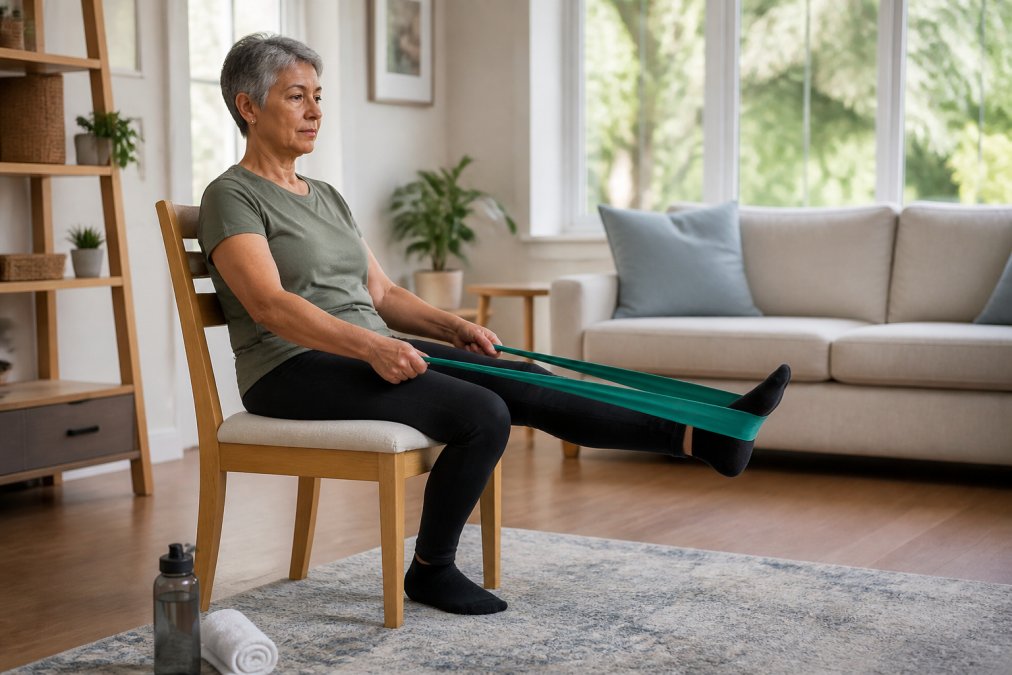
Weight matters because every pound of body weight places several pounds of load through the knee during walking. Even modest weight loss reduces that load meaningfully. Physical therapy, low-impact exercise, and activity modification form the foundation of any non-surgical plan.
Low-Impact Exercise Routines That Protect the Knee
The best routine builds strength without pounding the joint. Strength training protects the knee because the quadriceps act as shock absorbers; when they are strong, less force reaches the cartilage. A simple weekly structure works well:
- Quad sets (3 sets of 10 daily): Sit with the leg straight, press the back of the knee down, hold five seconds. This is the entry point if the knee is too painful for anything else.
- Straight leg raises (3 sets of 10, three days a week): Lie down, tighten the thigh, lift the leg 12 inches, lower slowly. Keep the knee locked straight throughout.
- Seated leg extensions (2 sets of 12, three days a week): Extend the knee against light resistance. Start with no weight and add a one- or two-pound ankle weight only when the movement is pain-free.
- Stationary cycling (15-20 minutes, most days): Set the seat high enough to avoid deep knee bend. A seat that is too low is the most common reason cycling hurts instead of helps.
- Water walking or swimming (20-30 minutes, twice weekly): Removes joint load while building endurance. Water supports most of your body weight, so this is often the best option during a flare-up.
Nutritional Support for Joint Health
No supplement reverses cartilage loss, but some support the joint environment. An anti-inflammatory eating pattern, rich in vegetables, fatty fish, and olive oil, helps manage the inflammation that drives pain. Adequate protein intake supports the muscle mass that protects the joint, many adults over 60 fall short of the protein needed to maintain muscle, which quietly undermines every exercise on the list above.
Viscosupplementation for Knee Pain: What to Expect
Viscosupplementation is a treatment in which a gel-like preparation, similar to natural synovial fluid, is injected into the knee to improve lubrication and reduce pain. It is a surgery-free option for people with knee osteoarthritis who have not found enough relief from exercise, weight management, and medication.
Home Modifications and Daily Habits That Reduce Strain
Most articles about aging knees stop at the clinic door. But the joint does not care whether the load comes from a treadmill or from a low sofa, it only registers force. That makes the home the highest-leverage place to reduce strain, because you control it, you are in it every day, and the changes are cheap compared with treatment.
Priority changes (do these first):
- Add a firm cushion to low chairs so you rise from a higher seat. Standing from a low seat is one of the highest-force movements the knee performs in daily life, and raising the seat height reduces that force more than almost any other single change.
- Install grab bars in the bathroom and a raised toilet seat. The bathroom is where most falls happen, and a fall on an arthritic knee can set recovery back months.
- Wear supportive, cushioned shoes indoors rather than going barefoot on hard floors. Barefoot walking on tile or hardwood sends impact straight up the leg; a firm-soled shoe with cushioning absorbs some of it.
Secondary changes (add as needed):
- Use a shower chair to avoid standing on a hard, wet surface.
- Keep frequently used items between waist and shoulder height so you are not crouching or reaching overhead.
- Use a cane or trekking pole on the side opposite the painful knee to offload it. Holding it on the same side as the pain is a common mistake that increases strain rather than reducing it.
- Rearrange the kitchen so the items you use daily are within arm's reach of where you stand to cook.
Habits that matter as much as the hardware:
- Take the stairs one step at a time rather than alternating feet if the knee is flaring. Leading with the stronger leg going up and the weaker leg going down reduces load on the painful side.
- Break up long periods of sitting. Stiffness after 30 minutes of sitting is a signal that the joint needs movement, not more rest.
- Warm up before activity and avoid sudden starts. Cold cartilage tolerates load poorly.
The Emotional Toll of Chronic Knee Pain
Chronic knee pain carries a psychological weight that rarely gets discussed. When walking, gardening, or playing with grandchildren becomes painful, people grieve the loss of those activities, and that grief is real.
When to See a Doctor for Chronic Knee Pain
See a doctor when knee pain persists beyond a few weeks, limits daily activity, or comes with swelling, locking, or instability. Those signs suggest the joint needs a proper evaluation rather than watchful waiting.
Frequently Asked Questions
Is knee pain a normal part of the aging process?
Some joint changes are common with age, but ongoing knee pain is not something you have to accept. Cartilage thinning, muscle loss, and reduced synovial fluid can all contribute to discomfort, yet research shows that targeted exercise, weight management, and treatments like viscosupplementation can slow symptom progression. If knee pain limits your daily activities, a consultation with a qualified professional can help identify the cause and appropriate options.
What exercises should I avoid if I have knee pain?
High-impact activities that jar the joint, such as running on hard surfaces, deep squats, and jumping, often worsen knee pain. Instead, focus on low-impact exercise like swimming, cycling, and water aerobics, which build muscle without excessive weight-bearing stress. A physical therapist can design a routine that suits your specific level of joint degeneration and helps improve range of motion safely.
How does viscosupplementation for knee pain work?
Viscosupplementation involves injecting a gel-like substance into the knee joint to supplement natural synovial fluid. This can improve lubrication, cushion the joint, and reduce inflammation. Many people experience relief that lasts several months. Your doctor can determine whether you are a candidate based on the severity of your osteoarthritis and overall health. Natural Healing Arts Medical offers this surgery-free treatment using Hyalgan as part of a comprehensive program.
When should I see a doctor for chronic knee pain?
See a doctor if knee pain persists for more than a few weeks, interferes with walking or sleep, or is accompanied by swelling, stiffness, or crepitus. A medical evaluation can rule out other conditions and confirm whether osteoarthritis is the cause. Early intervention often makes a wider range of non-surgical options available, including physical therapy, activity modification, and viscosupplementation.