 listicle
5 Best Non-Surgical Treatments for Shoulder Pain
Table of Contents
- 1. Physical Therapy and Therapeutic Exercise
- 2. Chiropractic Care for Shoulder Pain
- 3. Corticosteroid Injections and Anti-Inflammatory Medications
- 4. Regenerative Medicine: PRP and Advanced Therapies
- 5. Home-Based Devices and Modalities
- How Long Does Shoulder Pain Last Without Surgery?
- What to Expect: Recovery and Long-Term Management
- Comparison of Non-Surgical Treatment Approaches
- Frequently Asked Questions
Last Updated: September 3, 2026
When shoulder pain strikes, the first instinct is often to fear surgery. But most shoulder conditions respond well to non-surgical treatments that restore function and eliminate discomfort without going under the knife. At Natural Healing Arts Medical, we've helped countless patients avoid surgery by pursuing conservative, evidence-based approaches that address the root cause of pain rather than masking symptoms.
Whether your pain stems from a rotator cuff injury, osteoarthritis, impingement, or overuse, non-surgical interventions can be remarkably effective. The key is finding the right combination for your specific condition and committing to the process.
Below, we'll walk you through the five most effective non-surgical treatments, how each one works, what to expect, and when to combine them for maximum results.
1. Physical Therapy and Therapeutic Exercise
Physical therapy stands as the gold standard for most shoulder pain conditions. This active rehabilitation rebuilds strength, restores range of motion, and corrects the biomechanical faults that caused pain in the first place.
Targeted exercises strengthen the periscapular muscles (stabilizers around your shoulder blade), improve deltoid function, and restore proper shoulder mechanics. When your rotator cuff muscles are weak or your scapular positioning is off, the shoulder joint experiences abnormal stress. Physical therapy fixes that.
A typical program starts with gentle range-of-motion work, progresses to resistance exercises, and eventually incorporates functional movements that mimic real-world activities. Most people see meaningful improvement within 4-6 weeks of consistent work (peer-reviewed research). For rotator cuff tendonitis or mild impingement, physical therapy alone often resolves the issue completely.
Physical therapy teaches you how to move correctly going forward. You're not just treating current pain, you're building resilience against future injury. You'll typically attend 2-3 sessions per week with a therapist, then perform exercises at home. For those who follow through, the payoff is substantial: restored strength, improved function, and lasting pain relief.
2. Chiropractic Care for Shoulder Pain
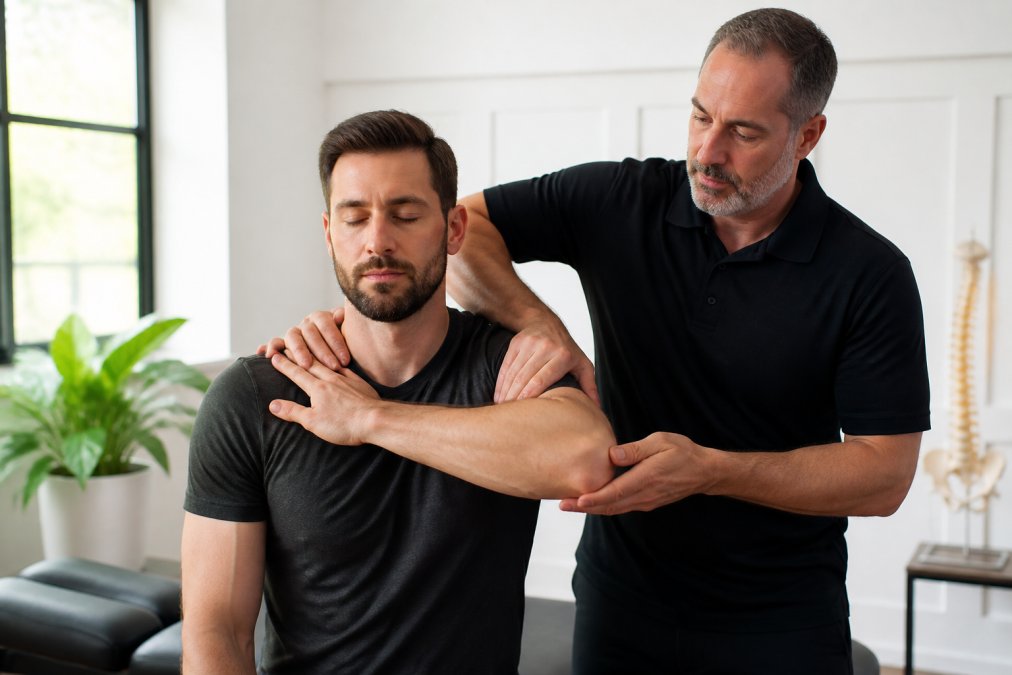
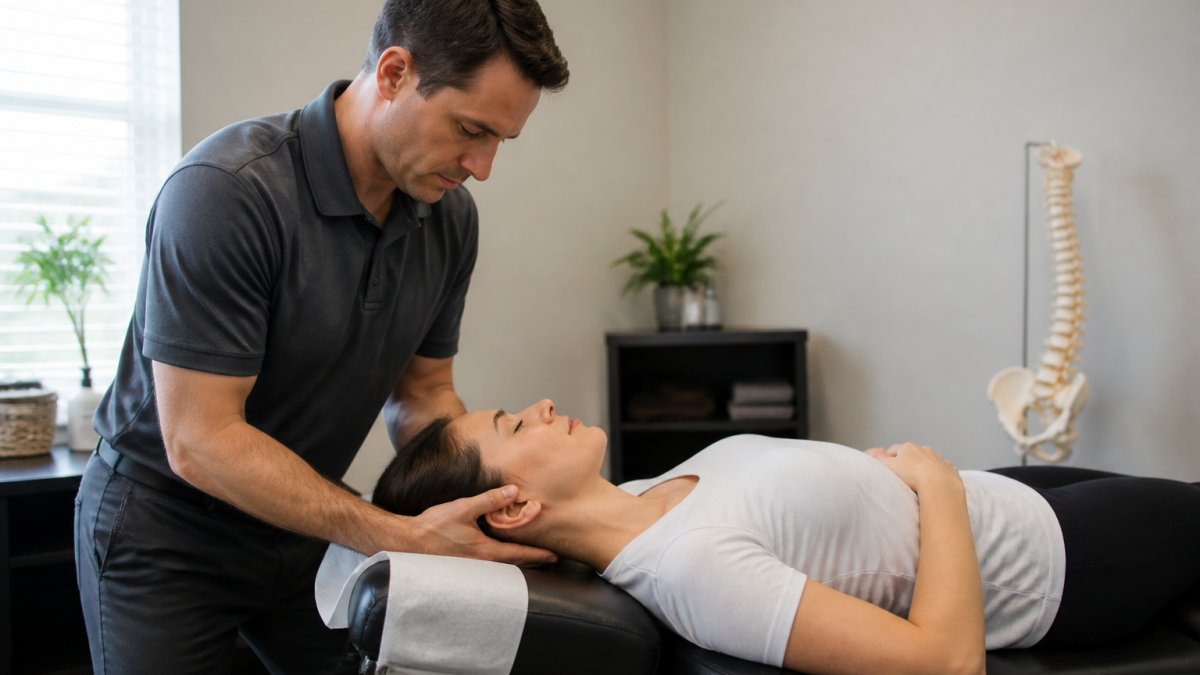
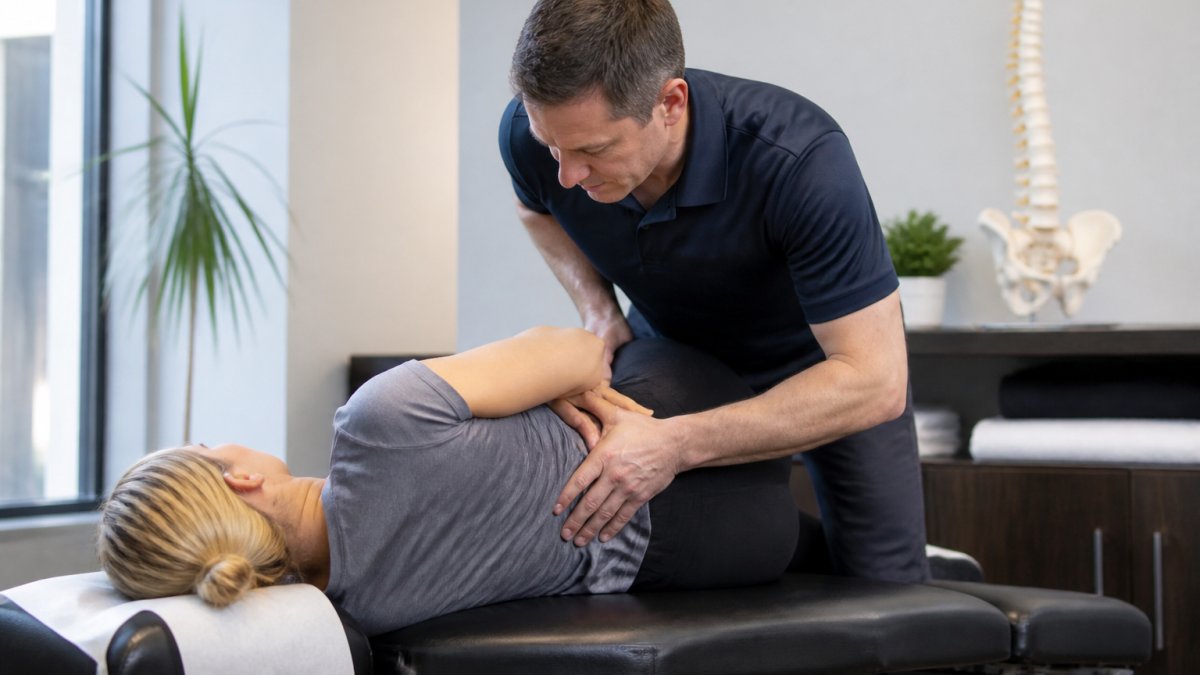
Chiropractic care addresses shoulder pain by restoring proper joint alignment and improving biomechanical function. When vertebrae in your cervical or thoracic spine are misaligned, or when your shoulder joint itself is restricted, pain and dysfunction follow. Chiropractic adjustments restore normal movement patterns and reduce nerve irritation.
The approach combines spinal adjustments with soft tissue work, mobility restoration, and corrective exercises. Many shoulder problems originate not in the shoulder itself but in the neck or upper back. Chiropractic care addresses this interconnected system.
Natural Healing Arts Medical specializes in this comprehensive approach. Dr. David Zamikoff and the team conduct thorough evaluations to identify the underlying cause of your pain, whether that's a disc issue, postural dysfunction, or restricted joint mobility. The treatment plan evolves based on your progress.
Acute injuries often respond within 2-4 weeks. Chronic conditions typically require 8-12 weeks of consistent care to see substantial improvement. Chiropractic care works particularly well when combined with physical therapy: adjustments restore mobility, then exercises build strength to maintain that mobility.
3. Corticosteroid Injections and Anti-Inflammatory Medications
When inflammation is the primary driver of your pain, corticosteroid injections and oral anti-inflammatory medications can provide rapid relief and create a window for rehabilitation to take effect.
Corticosteroid injections reduce inflammation in the joint, bursa, or tendon sheath. Image-guided injections using ultrasound ensure medication reaches the problem area. Relief often comes within days, with peak effect around 2-3 weeks (the FDA). Duration varies from 2-3 months to longer.
Injections are a tool, not a cure. They reduce inflammation and pain, which allows you to participate in physical therapy and corrective exercises. Without rehabilitation, pain typically returns when the injection wears off. But paired with active treatment, injections buy you time to rebuild strength and correct movement patterns.
Oral anti-inflammatory medications (NSAIDs like ibuprofen or naproxen) serve a similar purpose. They're less invasive than injections but also less targeted. For mild to moderate inflammation, they're often sufficient. For more severe inflammation, injections are more effective.
Most practitioners limit patients to 3-4 injections per year in the same joint. This is why they work best as part of a larger treatment strategy that includes physical therapy and activity modification.
4. Regenerative Medicine: PRP and Advanced Therapies
Regenerative medicine represents a newer frontier in non-surgical shoulder treatment. Platelet-rich plasma (PRP) therapy harnesses your body's own healing mechanisms to repair damaged tissue.
Blood is drawn, then processed to concentrate platelets (which contain growth factors). This concentrated plasma is injected directly into the damaged area, a torn rotator cuff, degenerative tendon, or arthritic joint. The growth factors stimulate tissue repair and reduce inflammation at the cellular level.
PRP uses your own biology rather than external medications and carries minimal risk of adverse reactions. For rotator cuff tears, labral damage, and chronic tendonitis, PRP offers a genuine repair mechanism rather than just symptom relief.
Results take time. Unlike corticosteroid injections that work within days, PRP typically requires 4-6 weeks to show meaningful effect (peer-reviewed research). Multiple injections (usually 2-3 sessions spaced 4-6 weeks apart) often produce better results than a single injection. Cost varies but is typically not covered by insurance.
PRP works best when combined with physical therapy: the injection stimulates healing, while exercises ensure the repaired tissue is strengthened and protected.
5. Home-Based Devices and Modalities
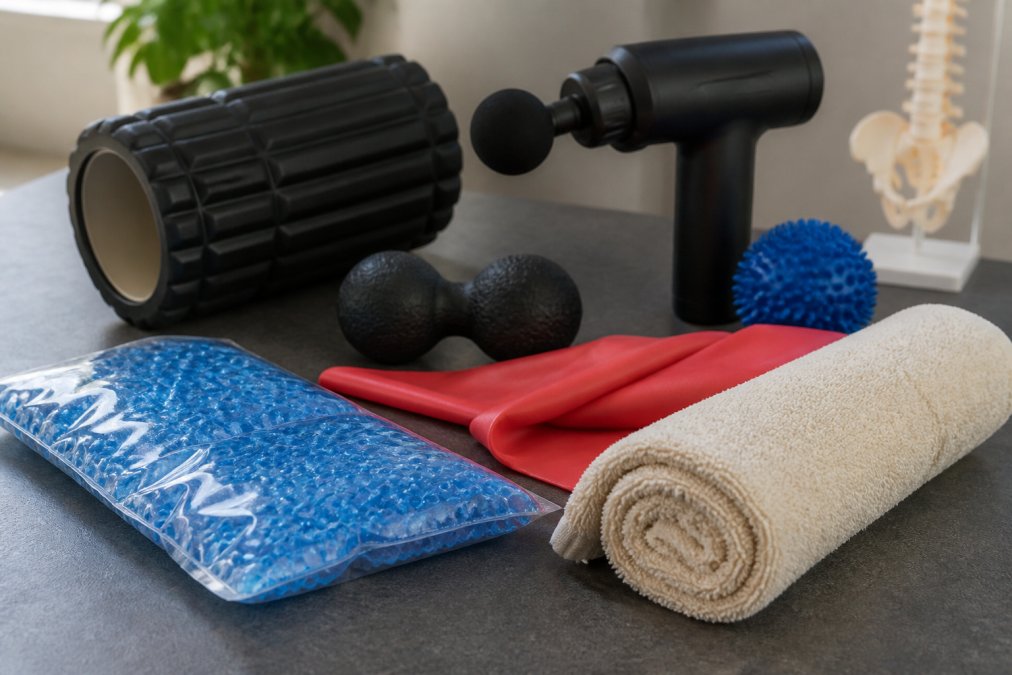
Modern home-based devices offer convenient options for pain management and tissue healing between professional appointments.
TENS (transcutaneous electrical nerve stimulation) devices like iReliev deliver electrical impulses that block pain signals and stimulate muscle function. They're particularly useful for managing acute pain and can reduce reliance on pain medication.
Therapeutic ultrasound devices like sam deliver sound waves that penetrate deep tissue to promote healing. The sam device is FDA-cleared and often covered by insurance. It's particularly effective for tendon injuries and chronic pain conditions.
Virtual physical therapy platforms like CoreXcell and motivPT bring expert guidance into your home. Rather than generic exercises, these programs provide personalized coaching based on your specific condition. Home devices excel at maintaining progress between professional appointments and managing pain while you rebuild strength. They're not replacements for professional care but powerful supplements to it.
How Long Does Shoulder Pain Last Without Surgery?
Recovery timeline depends entirely on the underlying condition and how aggressively you pursue treatment. A mild rotator cuff strain might resolve in 2-3 weeks with consistent physical therapy. A chronic rotator cuff tear could take 12-16 weeks of dedicated rehabilitation. Osteoarthritis pain, if managed with injections and activity modification, can stabilize quickly but may require ongoing maintenance.
The critical variable: compliance. Patients who attend physical therapy regularly, perform home exercises, and follow activity modification guidelines recover dramatically faster than those who skip sessions or neglect exercises.
Conservative treatment typically requires 6-12 weeks to show substantial improvement. You'll likely see initial relief within 2-3 weeks, but true functional recovery takes longer. The shoulder needs time to rebuild strength and relearn proper movement patterns.
Without any treatment, shoulder pain often persists or worsens. Active treatment is what changes the trajectory.
What to Expect: Recovery and Long-Term Management
Non-surgical treatment isn't a quick fix, it's a process. Initial relief often comes quickly, but full functional recovery takes longer.
Weeks 1-2: Pain management is the priority. Injections, anti-inflammatory medication, and home devices reduce pain. You'll start gentle range-of-motion exercises to maintain mobility.
Weeks 3-6: As pain decreases, physical therapy intensifies. You'll progress from passive movement to resisted exercises. Strength begins returning.
Weeks 6-12: Advanced exercises build functional strength. Movement patterns normalize. Pain continues declining.
Beyond 12 weeks: Maintenance becomes critical. The shoulder is stronger and pain-free, but it's recovered, not "cured." Continuing corrective exercises, maintaining good posture, and avoiding movements that previously caused pain prevent relapse.
Many patients benefit from periodic physical therapy (monthly or quarterly) to maintain strength and movement quality. Others do well with a home exercise program performed 3-4 times per week indefinitely.
Natural Healing Arts Medical helps patients navigate this entire journey. Rather than viewing treatment as ending when pain disappears, we focus on long-term wellness and preventing recurrence.
Comparison of Non-Surgical Treatment Approaches
| Treatment | Timeline to Relief | Duration of Effect | Best For | Commitment Level |
|---|---|---|---|---|
| Physical Therapy | 4-6 weeks | Lasting if maintained | Building strength, correcting movement | High (2-3x/week) |
| Chiropractic Care | 2-4 weeks | Varies by condition | Restoring alignment, improving mobility | Medium (1-2x/week) |
| Corticosteroid Injections | Days to 1 week | 2-3 months | Rapid inflammation reduction | Low (1-4 per year) |
| PRP Therapy | 4-6 weeks | 6-12 months+ | Tissue repair, chronic damage | Medium (2-3 injections) |
| Home Devices | 1-2 weeks | Ongoing with use | Pain management, maintenance | Low-Medium (daily use) |
Shoulder pain doesn't require surgery to resolve. The five best non-surgical treatments, physical therapy, chiropractic care, injections, regenerative medicine, and home-based devices, address the underlying causes of pain while restoring function and mobility. Most conditions respond well to a combination approach: injections or medication reduce inflammation, physical therapy rebuilds strength, and chiropractic care restores proper alignment.
Recovery requires commitment, but the payoff is substantial. You regain pain-free movement, restore your ability to perform daily activities and exercise, and build resilience against future injury. The key is starting treatment early, staying consistent, and viewing recovery as a process rather than a quick fix.
At Natural Healing Arts Medical, we specialize in guiding patients through non-surgical shoulder pain recovery. Dr. David Zamikoff and the team conduct thorough evaluations to identify the root cause of your pain, then design a comprehensive treatment plan combining physical therapy, chiropractic care, and targeted modalities. We accept most health insurance and Medicare, and we offer flexible payment plans to make care accessible. Schedule an appointment today and discover how to restore your shoulder's strength and mobility without surgery.
Frequently Asked Questions
Q: How can I fix my shoulder pain without surgery?
A: Non-surgical treatments for shoulder pain include physical therapy with targeted exercises, chiropractic care, corticosteroid injections, and anti-inflammatory medications. Conservative treatments address the root cause, whether it's muscle imbalance, joint misalignment, or inflammation, and work best when started early. Most shoulder pain improves within weeks to months with consistent treatment. A healthcare provider can determine which approach fits your specific condition.
Q: What are the most effective non-surgical treatments for rotator cuff tears?
A: Rotator cuff tears respond well to physical therapy focused on periscapular and deltoid strengthening, activity modification to avoid aggravating movements, and anti-inflammatory medications or injections. Regenerative medicine options like PRP therapy show promise for some patients. Recovery typically takes 3 to 6 months with conservative treatment, though larger tears may require longer rehabilitation or eventual surgical evaluation.
Q: Can chiropractic care help with chronic shoulder pain?
A: Yes. Chiropractic care addresses shoulder pain caused by joint misalignment, muscle tension, and biomechanical dysfunction. Adjustments restore proper shoulder mechanics, while soft tissue work and corrective exercises improve range of motion and reduce pain. Many patients experience relief within 4 to 8 weeks, especially when combined with physical therapy and activity modification.
Q: What is the recovery time for non-surgical shoulder treatments?
A: Recovery varies by condition and treatment type. Physical therapy and chiropractic care typically show improvement within 2 to 4 weeks, with full recovery in 6 to 12 weeks for mild to moderate conditions. Corticosteroid injections provide relief within days, though results last 3 to 6 months. Regenerative medicine like PRP may take 4 to 8 weeks to show full effects. Chronic conditions may require ongoing maintenance therapy.