 listicle
8 Natural Remedies for Neck and Shoulder Stiffness
Table of Contents
- Heat and Cold Therapy for Neck and Shoulder Stiffness
- Stretches for Shoulder Stiffness and Neck Mobility
- Posture Correction and Ergonomic Adjustments
- Topical Pain Relief: Gels, Creams, and Menthol-Based Options
- Stress Management and Breathwork for Muscle Relaxation
- Chiropractic Care for Neck Pain and Shoulder Tension
- Nutritional Support and Anti-Inflammatory Habits
- When to See a Doctor for Neck Pain
- Frequently Asked Questions
Last Updated: September 21, 2026
Heat and Cold Therapy for Neck and Shoulder Stiffness
Heat and cold therapy is the fastest way to calm acute neck and shoulder stiffness at home, and the two work in opposite ways. A warm compress relaxes tight muscles and boosts circulation; cold therapy reduces muscle inflammation and numbs sharp pain. This guide from Natural Healing Arts Medical covers eight remedies for neck and shoulder stiffness, and we start with the one you can apply tonight.
Stretches for Shoulder Stiffness and Neck Mobility
Stretching is the most reliable long-term fix for neck and shoulder stiffness. Gentle daily movement restores range of motion, eases muscle stiffness, and keeps the cervical spine from locking into one position. The goal is not a deep stretch. It is steady, pain-free motion.

Gentle Daily Stretch Routine
Run this five-move routine once or twice a day. Stop any movement that sends pain down the arm.
- Chin tuck: Pull your chin straight back, hold 5 seconds, repeat 10 times.
- Neck lateral flexion: Tilt your ear toward your shoulder, hold 20 seconds each side.
- Shoulder shrugs: Lift both shoulders to your ears, hold 3 seconds, release 10 times.
- Shoulder rolls: Circle backward 10 times, then forward 10 times.
- Doorway chest stretch: Rest forearms on a door frame, step through, hold 30 seconds.
Posture Correction and Ergonomic Adjustments
Posture correction works only when your setup stops fighting you. A slouched workstation forces the levator scapulae and trapezius to hold your head forward all day, which is why desk workers feel stiff by mid-afternoon. Fix the desk and the posture follows.
Desk Setup: The Numbers That Matter
Most ergonomic guides say "raise your monitor" without telling you how high. Here are the measurements physical therapists and ergonomists commonly use:
- Monitor height: The top third of the screen should sit at or slightly below eye level, so your gaze drops about 15 to 20 degrees when reading. If you wear progressive lenses, lower the monitor an extra inch or two so you are not tilting your chin up to find the reading zone.
- Monitor distance: Arm's length away, roughly 20 to 26 inches. Too close and you crane your neck forward; too far and you lean in.
- Elbows: Bent to about 90 degrees, forearms roughly parallel to the floor, wrists straight, not resting on a hard edge.
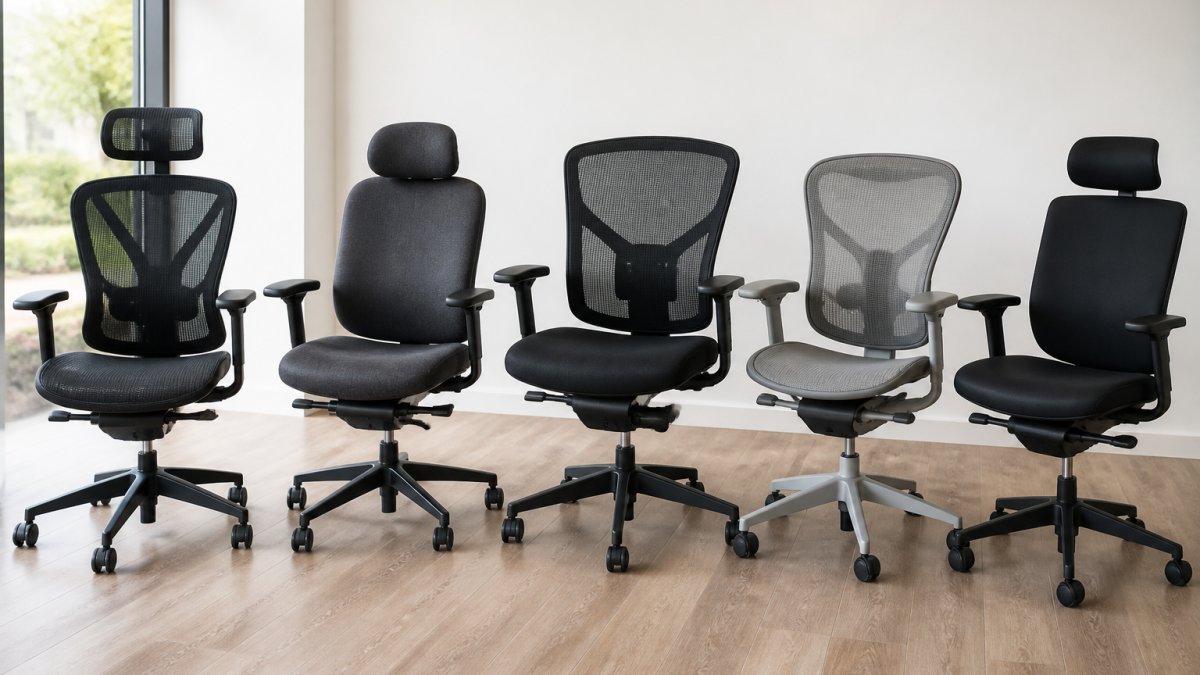
- Chair height: Feet flat on the floor or a footrest, hips slightly higher than knees, so the pelvis tilts forward and the lumbar curve is supported.
- Keyboard and mouse: Close enough that your elbows stay near your ribs. Reaching forward pulls the shoulders and upper back into a sustained stretch.
The 30-Minute Reset
Static posture, even good posture, becomes a problem over time. Set a timer for every 30 minutes and run a 30-second reset: stand up, roll the shoulders back five times, do three slow chin tucks, and squeeze the shoulder blades together for a five-count. This breaks the low-level contraction cycle that builds stiffness through the day.
Tech-Neck: The Phone Problem
Looking down at a phone is the single most common driver of new neck stiffness in adults under 50. When the head tilts forward 45 degrees, the load on the cervical spine multiplies several times over compared to a neutral head position. The fix is mechanical, not motivational:
- Hold the phone at eye level, elbow bent, rather than bending the neck down to it.
- For long reads or video, prop the phone on a stand or lean it against something at chest-to-eye height.
- When texting, glance down with the eyes, not the whole neck. The neck should stay close to neutral.
- Take a 10-second chin tuck break every few minutes of screen time.
When Ergonomics Is Not Enough
If you have corrected your setup for two to three weeks and still wake up stiff, the problem may be structural rather than positional. A physical therapist or chiropractor can assess whether the cervical spine, thoracic spine, or shoulder girdle needs hands-on treatment that no desk adjustment can provide.
Topical Pain Relief: Gels, Creams, and Menthol-Based Options
Topical pain relief delivers fast, localized comfort when you need to get through a workday. Menthol-based gels create a cooling sensation that distracts from pain, while lidocaine-based creams numb the area. Both are temporary. They quiet symptoms without addressing the cause.
Stress Management and Breathwork for Muscle Relaxation
Stress and physical tension feed each other. When you are anxious, the sympathetic nervous system keeps the trapezius and levator scapulae in a low-grade contraction, and that constant tension restricts blood flow and creates the achy stiffness that no stretch fully releases. Breathwork interrupts the loop by shifting the nervous system toward the parasympathetic, or "rest and digest," branch.
Why Slow Breathing Relaxes Muscle
The mechanism is straightforward. Slow, diaphragmatic breathing stimulates the vagus nerve, which lowers heart rate and reduces circulating stress hormones. As sympathetic drive drops, the resting tone in your neck and shoulder muscles falls with it. This is why people often feel their shoulders drop within a minute or two of slow breathing, without ever consciously relaxing them.
Three Protocols to Try
Box breathing (4-4-4-4). Inhale through the nose for 4 counts, hold for 4, exhale through the mouth for 4, hold for 4. Repeat for two to five minutes. This is the most portable option and works well at a desk.
Making It Stick
Consistency matters more than duration. Two minutes daily beats one 20-minute session a month. Pair the practice with an existing habit, such as after your morning coffee or before you open your laptop, so it becomes automatic.
Chiropractic Care for Neck Pain and Shoulder Tension
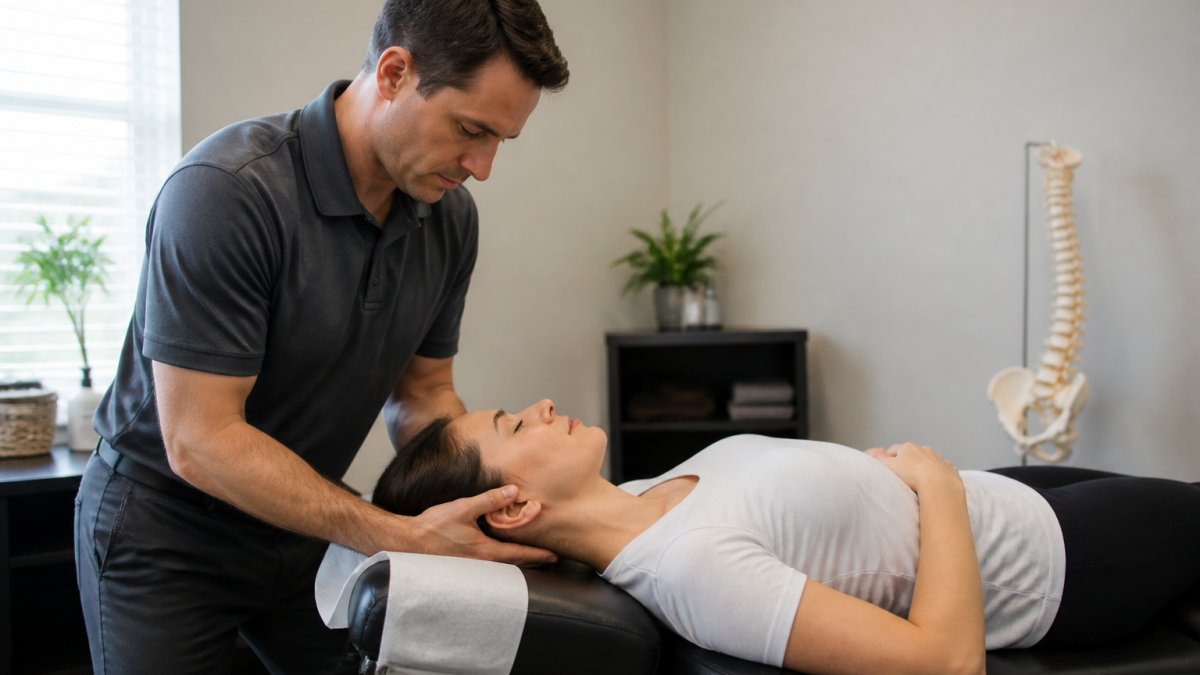
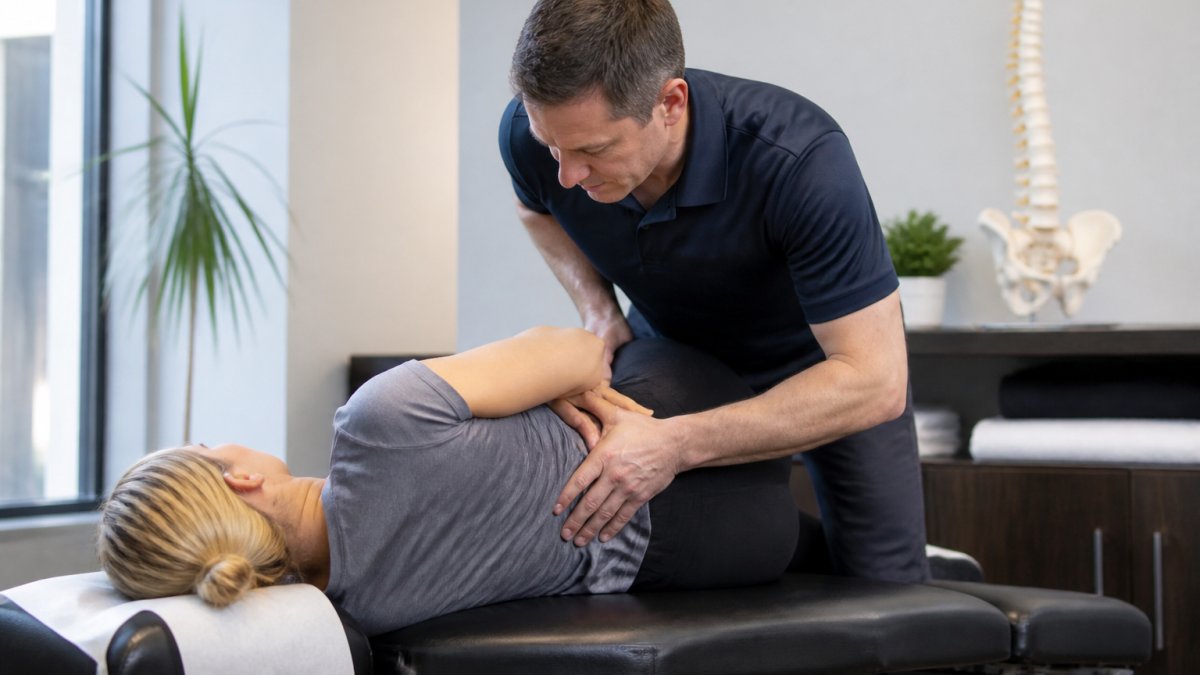
Chiropractic care for neck pain addresses the joint and muscle restrictions that home remedies cannot reach. A chiropractor assesses the cervical spine, thoracic spine, and surrounding muscles, then uses targeted adjustments and soft-tissue work to restore motion and reduce nerve impingement.
Nutritional Support and Anti-Inflammatory Habits
Diet will not crack your neck, but it shapes how your body handles muscle inflammation. Anti-inflammatory habits support the tissues you are already stretching and strengthening, which is why they belong in any long-term plan.
- Fatty fish, walnuts, and flaxseed for omega-3s
- Colorful vegetables and berries for antioxidants
- Turmeric with black pepper, which many people take in supplement form
- Less added sugar and processed food
- Steady water intake through the day
When to See a Doctor for Neck Pain
See a doctor when neck pain follows an accident, comes with numbness, weakness, or tingling in the arms, or lasts more than a few weeks without improvement. Those signs can point to nerve impingement or a disc injury that home remedies will not fix. MedlinePlus lists red-flag symptoms worth checking.
Frequently Asked Questions
What vitamin deficiency causes tight neck muscles?
Low levels of vitamin D, B12, and magnesium have been linked to muscle tightness and cramping. Vitamin D helps regulate calcium absorption for muscle function, while B12 supports nerve health. Magnesium plays a role in muscle relaxation. A blood test can identify deficiencies. Food sources include fatty fish, fortified dairy, leafy greens, and nuts. Always consult a healthcare provider before starting supplements, since dosages and interactions vary.
When should you see a chiropractor for neck and shoulder stiffness?
See a chiropractor when stiffness lasts more than a week, limits your range of motion, or returns frequently despite home care. Chiropractic care for neck pain addresses spinal alignment and muscle tension that stretches alone may not resolve. If you also have numbness, tingling, or weakness in your arms, seek evaluation promptly. A chiropractor can assess whether your symptoms stem from joint restriction, muscle imbalance, or a disc issue.
How does posture affect chronic neck and shoulder tension?
Forward head posture adds strain to the cervical spine and upper trapezius. For every inch your head moves forward, the muscles in your neck and shoulders work harder to support it. Over time, this leads to trigger points, muscle stiffness, and tension headaches. Ergonomic adjustments like raising your monitor, using a supportive chair, and taking movement breaks every 30 minutes can reduce this load and prevent recurring stiffness.
What are the best natural anti-inflammatory drinks for muscle pain?
Green tea, tart cherry juice, ginger tea, and turmeric lattes are popular options. Green tea contains catechins that may reduce muscle inflammation. Tart cherry juice has been studied for recovery after exercise. Ginger and turmeric both have anti-inflammatory compounds. These drinks support a broader anti-inflammatory diet but are not a substitute for medical care. Pair them with consistent hydration and whole foods for the best results.
Can natural remedies replace medical treatment for neck and shoulder stiffness?
Natural remedies like heat therapy, stretching, and topical gels can ease mild to moderate stiffness. However, they do not address structural issues such as disc injuries, nerve impingement, or arthritis. If pain persists beyond two weeks, radiates into your arms, or follows an injury, see a qualified professional. A chiropractor or physician can diagnose the root cause and recommend a treatment plan that combines home care with clinical support.
Neck and shoulder stiffness rarely resolves on its own when the underlying cause goes unaddressed. If stretches, heat, and better posture have not helped, Natural Healing Arts Medical can evaluate what is actually driving the tension. The practice offers chiropractic care, physical therapy during treatment, and surgery-free options for related joint pain, with most insurance and Medicare accepted. Get started with Natural Healing Arts Medical and take the first step toward lasting relief.