 listicle
Alternatives to Suncoast Spine Care in Bradenton, FL
Table of Contents
- Why Bradenton Patients Seek Alternatives to Suncoast Spine Care
- Chiropractic Neurology vs Traditional Chiropractic: What's the Difference
- Natural Healing Arts Medical: Comprehensive Chiropractic Care
- Non-Invasive Treatment Options for Spine and Joint Pain
- Cost of Chiropractic Treatment and Payment Options
- Finding a Qualified Chiropractic Professional Near You
- Recovery Timelines: What to Expect from Each Treatment Type
- Frequently Asked Questions
Last Updated: August 10, 2026
Why Bradenton Patients Seek Alternatives to Suncoast Spine Care
When chronic pain disrupts your daily life, finding the right treatment matters more than loyalty to a single provider. Many Bradenton residents exploring alternatives to Suncoast Spine Care aren't rejecting chiropractic care itself, they're searching for a practice combining specialized expertise with personalized attention. The landscape of spine care in Bradenton has expanded significantly, offering multiple pathways to relief without surgery.
Natural Healing Arts Medical, led by Dr. David Zamikoff, represents one such alternative, distinguished by its focus on integrated pain management solutions. The practice specializes in disc injuries, whiplash, chronic neck and back pain, and surgery-free treatment for knee osteoarthritis using viscosupplementation. This guide explores the full spectrum of alternatives available in the Bradenton area, examining specialized chiropractic practices, physical therapy, osteopathic treatment, acupuncture, and at-home solutions, each with distinct advantages depending on your specific condition and goals.
Chiropractic Neurology vs Traditional Chiropractic: What's the Difference
Chiropractic neurology is not simply traditional chiropractic with a fancier name. The distinction matters when evaluating alternatives.
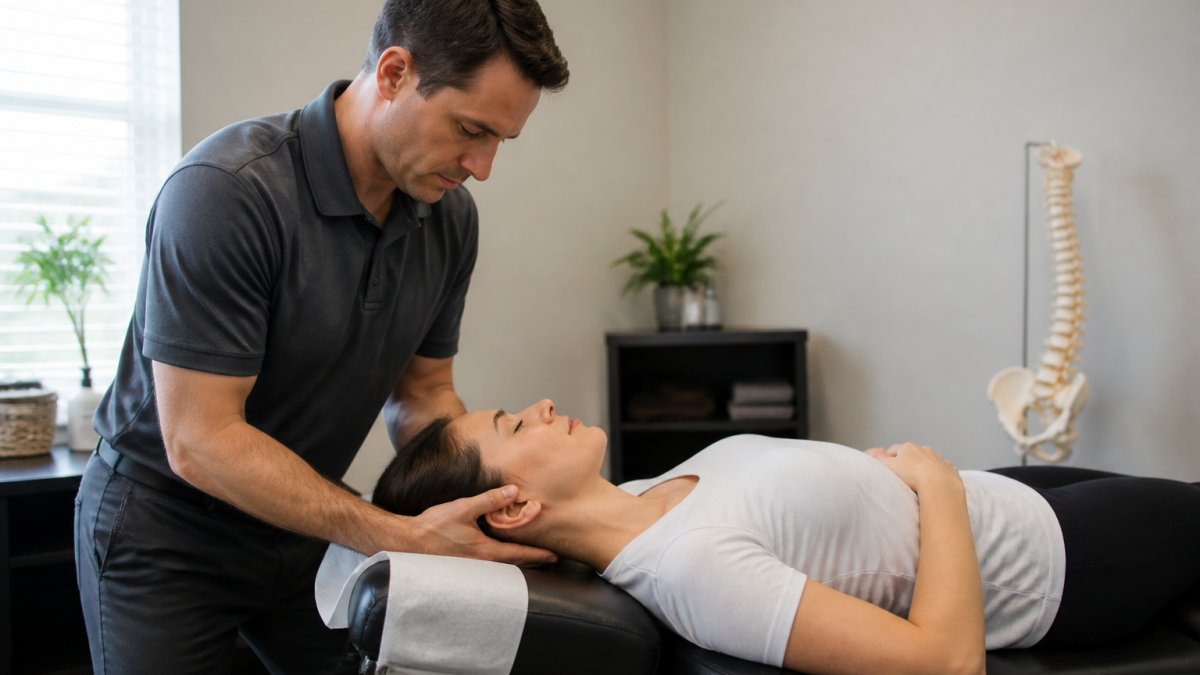
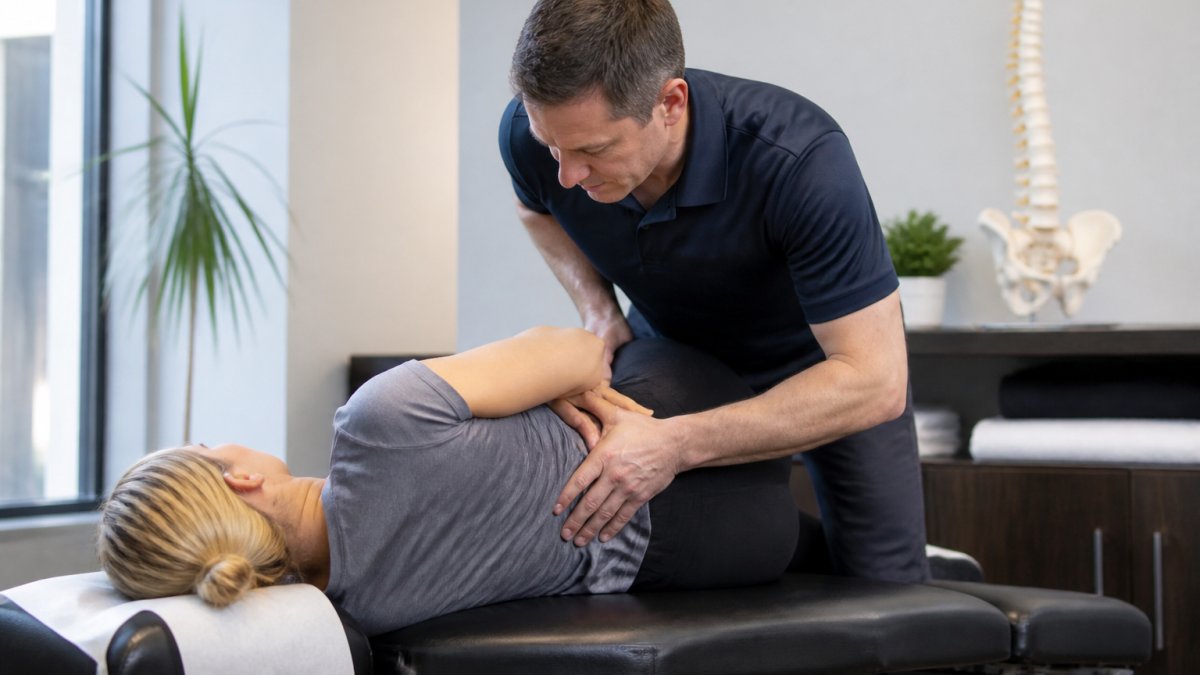
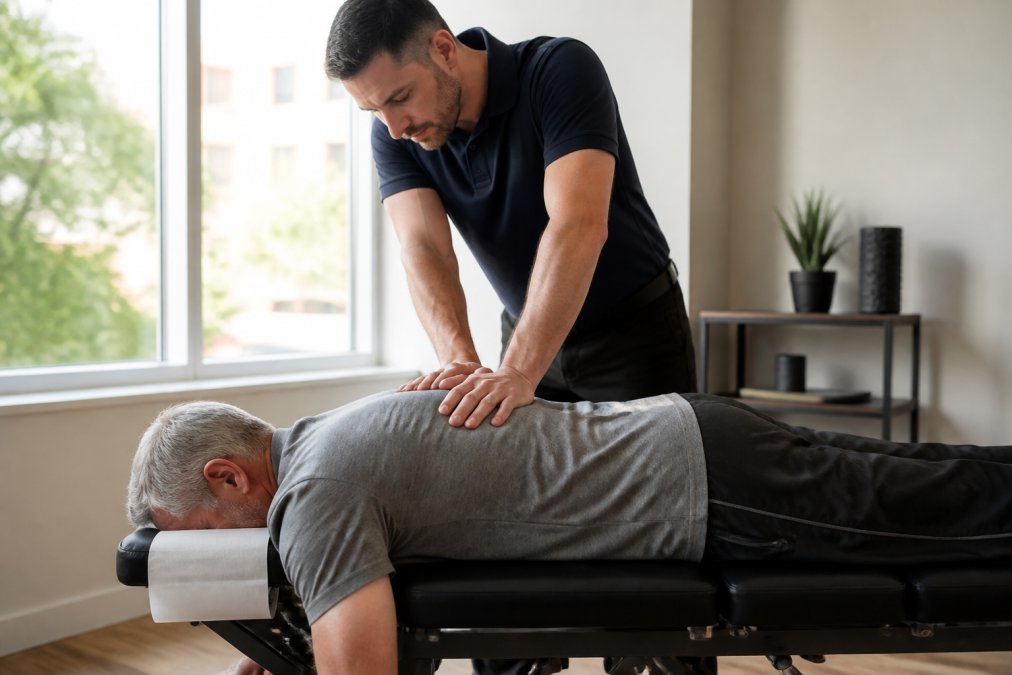
Traditional chiropractic focuses primarily on spinal alignment and joint mobilization through adjustments. A chiropractor trained in conventional methods diagnoses misalignment and corrects it through manual manipulation. However, traditional chiropractic sometimes treats the spine as an isolated system rather than examining how neurological function, muscle coordination, and structural integrity interact.
Chiropractic neurology takes a different approach. Practitioners integrate diagnostic tools to assess not just bone position but nervous system function. They examine how your nervous system controls movement, balance, and pain perception. When a chiropractic neurologist discovers that lower back pain stems from nerve compression affecting muscle recruitment patterns, the treatment plan addresses that neurological component alongside structural correction.
The practical difference: traditional chiropractic might resolve acute pain through adjustment, but chiropractic neurology identifies why the problem developed and retrains your nervous system to prevent recurrence. This requires postgraduate certification programs beyond the Doctor of Chiropractic degree.
For Bradenton patients with complex conditions, chronic pain unresponsive to standard adjustments, or nerve-related symptoms, chiropractic neurology often provides clearer answers and more targeted treatment. For simpler cases like occasional muscle tension, traditional chiropractic may deliver adequate results more quickly.
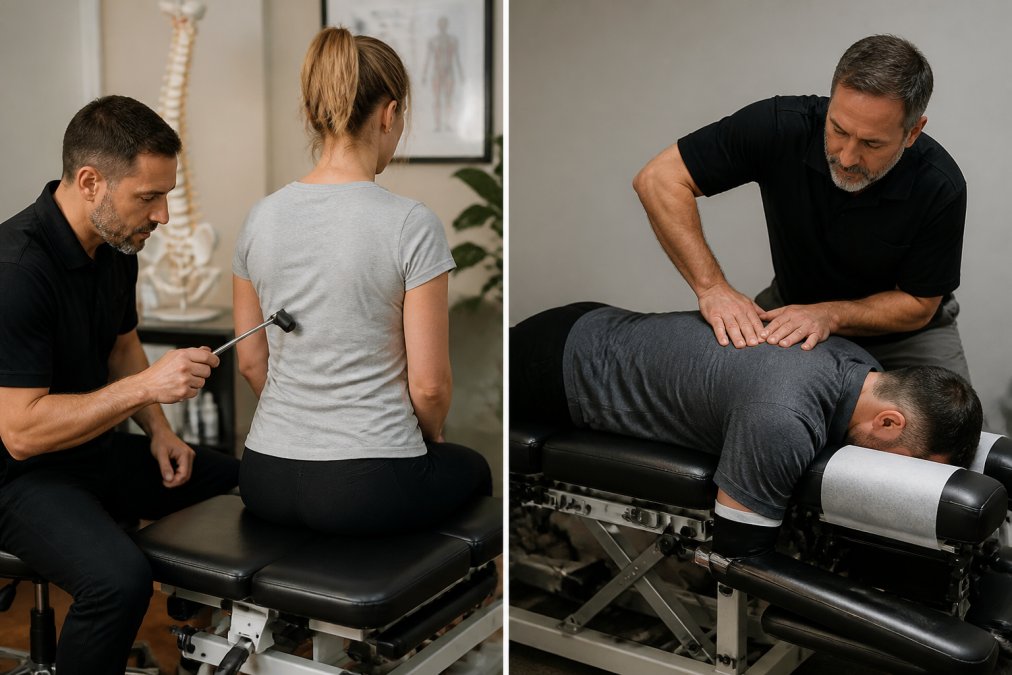
Natural Healing Arts Medical: Comprehensive Chiropractic Care
Natural Healing Arts Medical stands out among Bradenton spine care providers by combining chiropractic expertise with a broader wellness framework. Dr. David Zamikoff's practice has been recognized as one of America's Best Chiropractors from 2014 through 2024 by the National Consumer Research Board.
The practice specializes in relieving pain from headaches, disc injuries, whiplash, and work or auto injuries, conditions where understanding neurological involvement changes outcomes. Beyond adjustment, Natural Healing Arts Medical incorporates physical therapy during treatment programs, ensuring structural correction pairs with functional restoration. This integrated approach addresses not just spinal misalignment but how your body moves and stabilizes once alignment improves.
Natural Healing Arts Medical offers surgery-free treatment for knee osteoarthritis using viscosupplementation with Hyalgan, providing long-lasting pain relief and restored mobility without surgical intervention. The practice accepts most health insurance and Medicare, plus offers flexible payment plans for patients managing out-of-pocket costs.
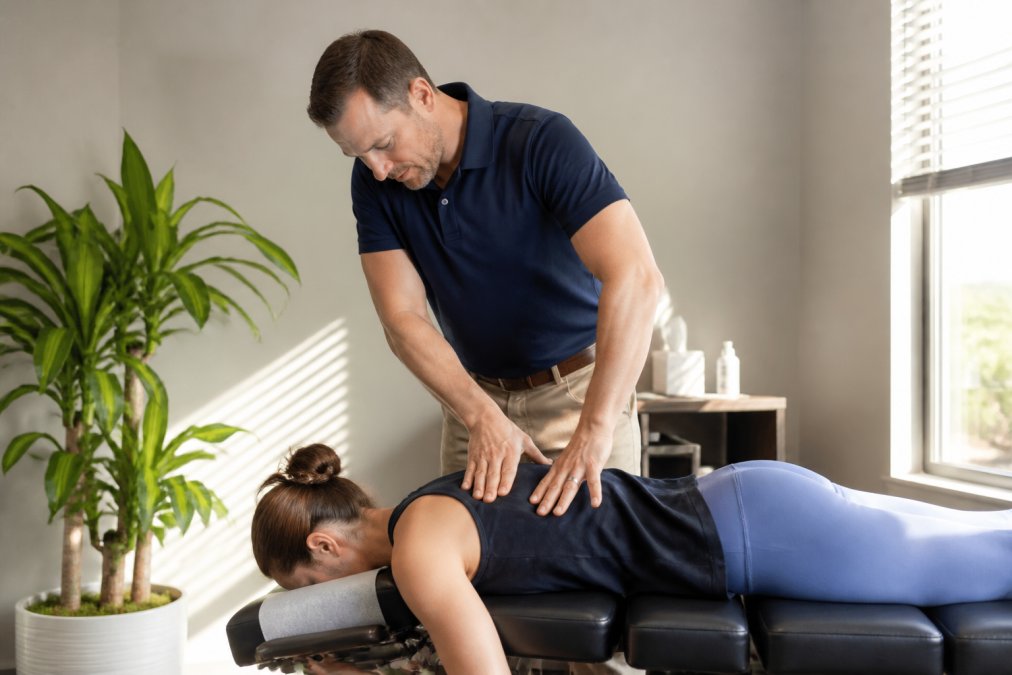
For patients frustrated with chiropractic care elsewhere, providers performing the same adjustment every visit without adjusting treatment based on progress, Natural Healing Arts Medical's patient-centered approach addresses that common complaint.
Non-Invasive Treatment Options for Spine and Joint Pain
Understanding the broader landscape of non-invasive spine care helps you make informed choices. Multiple evidence-based approaches exist for chronic pain and injury recovery, each with distinct mechanisms and best-use scenarios.
Physical Therapy for Chronic Pain and Injury Recovery
Physical therapy addresses pain by restoring movement patterns and building strength in stabilizing muscles. A physical therapist evaluates how you move, identifies compensatory patterns worsening pain, and designs exercises targeting the root mechanical problem.
This approach works particularly well for patients whose pain stems from weakness, poor movement coordination, or deconditioning. Someone recovering from a disc injury often benefits from supervised physical therapy that gradually restores function. The therapist provides hands-on techniques like massage and joint mobilization while teaching exercises you can perform independently.
Physical therapy typically requires multiple sessions per week initially, then decreases frequency as you progress. Consistency matters, exercises performed at home between sessions drive results more than clinic visits alone. Many insurance plans cover physical therapy with minimal out-of-pocket cost.
The limitation: physical therapy addresses movement patterns and strength but doesn't directly correct structural misalignment or address neurological dysfunction the way chiropractic care does. For some patients, combining physical therapy with chiropractic care produces better outcomes than either alone.
Osteopathic Manipulative Treatment (OMT)
Osteopathic Manipulative Treatment represents a distinct approach from chiropractic care. Doctors of Osteopathic Medicine (DOs) receive training in OMT during medical school, and some specialize in musculoskeletal conditions.
OMT addresses structural limitations using stretching, gentle pressure, and resistance techniques to improve body function. The osteopathic philosophy emphasizes interconnectedness, restrictions in one area affect overall system function. A DO treating lower back pain might address restrictions in your ribcage, pelvis, and fascia, recognizing that spinal pain often involves broader structural patterns.
OMT can be effective for patients whose pain involves multiple body regions or those who've tried chiropractic without adequate improvement. Because DOs complete full medical training, they can order imaging, prescribe medication, and coordinate care with other specialists.
Acupuncture for Chronic Low Back Pain
Acupuncture has gained recognition from mainstream medicine for chronic low back pain. The American College of Physicians recommends acupuncture as a first-line option for chronic nonradicular low back pain, placing it alongside physical therapy and spinal manipulation.
The mechanism involves stimulating specific points on the body with thin needles, triggering nervous system responses that reduce pain signaling and may stimulate endorphin release. Acupuncture enhances blood circulation and reduces inflammation in treated areas.
For patients hesitant about spinal manipulation or seeking to avoid medication, acupuncture offers a gentler entry point. Sessions typically last 30-60 minutes, and treatment courses range from 4-12 sessions depending on condition severity. The low risk of adverse effects compared to pain medications makes it particularly attractive for patients with medication sensitivities.
The limitation: acupuncture effectiveness varies among individuals, and some insurance plans don't cover it. Results often develop gradually rather than providing immediate relief.
At-Home Pain Management Solutions
Not every pain episode requires professional intervention. At-home solutions provide accessible, low-cost options for managing flare-ups or maintaining progress between professional visits.
Heat therapy relaxes tight muscles and increases blood flow to injured tissue, effective for muscle tension and stiffness. Cold therapy numbs pain and reduces inflammation, working better for acute injuries or swelling. Heat and cold packs cost between $5 and $30.
TENS units (Transcutaneous Electrical Nerve Stimulation) deliver mild electrical pulses through skin electrodes, blocking pain signals and potentially stimulating endorphin production. Consumer-grade TENS units cost $30-$100 and provide portable pain relief for localized back or neck pain.
The OptimalBack Back Stretcher replicates spinal decompression through passive traction, using a 26-degree arch calibrated for lumbar decompression. Users spend 10 minutes daily on the device, which reduces disc pressure and nerve impingement. At approximately $60, it's cost-effective for patients managing ongoing lower back pain.
These at-home solutions don't replace professional treatment for serious conditions but excel at supporting progress and managing maintenance between appointments.
Cost of Chiropractic Treatment and Payment Options
Understanding treatment costs helps you evaluate alternatives realistically. Chiropractic care may involve diagnostic testing and specialized expertise.
Initial consultations usually involve comprehensive evaluation, including health history, physical examination, and often diagnostic testing. Ongoing treatment frequency depends on your condition severity and response. Some patients see improvement within 2-4 weeks, while others require 8-12 weeks of regular care. Visit frequency typically starts at 2-3 times weekly, then decreases as function improves.
Natural Healing Arts Medical accepts most health insurance and Medicare, plus offers flexible payment plans for patients without insurance or facing out-of-pocket expenses. Physical therapy costs vary similarly, typically covered by insurance with manageable co-pays. Acupuncture ranges from $75-$150 per session; insurance coverage varies. At-home solutions like TENS units or back stretchers represent one-time purchases of $30-$100.
Evaluate total cost over your expected treatment course, not just per-visit price. A specialized treatment that resolves your pain in 6 weeks may cost less overall than cheaper visits stretched over 6 months without improvement.
Finding a Qualified Chiropractic Professional Near You
Not all chiropractors are trained in neurology. If you decide a specialized chiropractic approach is your preferred method, verifying credentials matters.
Board-certified chiropractic neurologists have completed postgraduate training and passed certification examinations through organizations like the American Chiropractic Neurology Board. This credential indicates specialized knowledge beyond the Doctor of Chiropractic degree.
When researching local practitioners, ask directly about credentials. Legitimate chiropractic neurologists list their certifications on websites and in office materials. Dr. David Zamikoff at Natural Healing Arts Medical holds specialized credentials, enabling the assessment and treatment planning that distinguishes the practice.
Search for "chiropractor Bradenton" or check professional directories. Interview potential providers about their approach to your specific condition. Before committing to treatment, confirm whether your insurance covers the provider and what your out-of-pocket responsibility will be.
Recovery Timelines: What to Expect from Each Treatment Type
Recovery expectations vary dramatically depending on your condition and chosen treatment. Setting realistic timelines prevents disappointment and helps you evaluate whether a treatment is working.
Chiropractic care: Initial improvements often appear within 2-4 weeks as structural alignment improves and nerve function begins normalizing. Significant functional restoration typically requires 8-12 weeks of consistent treatment. Some chronic conditions require longer, 6 months or more, to achieve full recovery.
Physical therapy: Acute injuries often show improvement within 2-3 weeks. Chronic conditions require 6-12 weeks of consistent therapy. Patients who perform home exercises between sessions progress faster than those relying on clinic visits alone.
Osteopathic manipulative treatment: Some patients experience immediate relief after OMT sessions, while others require multiple treatments before noticing improvement. A typical course might involve 4-8 sessions over 4-8 weeks.
Acupuncture: Results typically develop gradually over a 4-12 session course. Some patients notice improvement after the first session; others require 4-6 sessions before pain reduction becomes apparent.
At-home solutions: Heat and cold provide temporary relief, typically lasting 15-30 minutes after application. TENS units offer similar temporary relief. The OptimalBack Back Stretcher requires consistent daily use; users often report noticeable improvement within 1-2 weeks.
Consistency matters more than the specific treatment chosen. Patients who follow recommendations, perform home exercises, and maintain regular appointments progress faster than those with sporadic compliance.
| Treatment Type | Timeline to Initial Improvement | Timeline to Significant Results | Best For |
|---|---|---|---|
| Chiropractic Care | 2-4 weeks | 8-12 weeks | Complex neurological involvement, chronic pain |
| Physical Therapy | 2-3 weeks | 6-12 weeks | Movement dysfunction, post-injury recovery |
| Osteopathic Manipulation | 1-4 sessions | 4-8 sessions | Structural restrictions, multi-region pain |
| Acupuncture | 4-6 sessions | 8-12 weeks | Chronic low back pain, medication alternatives |
| At-Home Solutions | Immediate (temporary) | Ongoing maintenance | Flare-up management, cost-conscious patients |
Bradenton residents seeking alternatives to their current spine care provider have genuinely different options, each with distinct advantages depending on your specific condition and preferences. Natural Healing Arts Medical stands out by combining chiropractic expertise with integrated physical therapy and specialized treatments like viscosupplementation for knee osteoarthritis, all while accepting most insurance and Medicare. Dr. David Zamikoff's recognition as one of America's Best Chiropractors for over a decade reflects consistent patient outcomes and care quality. If you've been frustrated with generic adjustments or seeking surgery-free pain relief, schedule a consultation with Natural Healing Arts Medical to discuss how their specialized approach addresses your specific condition.
Frequently Asked Questions
What is the difference between a general chiropractor and a chiropractic neurologist?
A general chiropractor focuses on spinal alignment and joint mobilization through adjustments. A chiropractic neurologist combines chiropractic training with advanced neurological assessment, including diagnostic testing like electromyography (EMG) and nerve conduction studies. This specialized training allows chiropractic neurologists to diagnose and treat conditions affecting the nervous system and peripheral neuropathy, offering a more comprehensive diagnostic approach to pain management and functional restoration.
How much does chiropractic neurology treatment typically cost?
Chiropractic neurology treatment costs vary based on your location, the provider's credentials, and your specific condition. Most practices accept health insurance and Medicare, which can significantly reduce your out-of-pocket expenses. Many providers also offer flexible payment plans for uninsured patients. Contact a local chiropractic neurologist directly for a consultation and pricing information tailored to your needs and insurance coverage.
What are non-invasive alternatives to traditional chiropractic adjustments?
Non-invasive alternatives include physical therapy (exercise and manual techniques), osteopathic manipulative treatment (OMT) performed by licensed doctors, acupuncture for chronic pain relief, and at-home solutions like TENS units or back stretchers. Telehealth spine care and pain management clinics also offer non-invasive options including medication management, psychological therapy, and targeted injections. Each approach addresses pain differently, so consulting a healthcare provider helps determine the best fit for your condition.
How do I find a reputable chiropractic neurologist in Bradenton?
Look for practitioners with board certification from recognized organizations like the American Chiropractic Neurology Board. Verify credentials through state licensing boards and professional associations. Check patient reviews, ask about their diagnostic capabilities (EMG testing, neurological assessment), and inquire about their experience with your specific condition. Many reputable providers, including those specializing in chiropractic neurology, will offer a consultation to discuss your health concerns and treatment approach before committing to care.