 listicle
Best Chiropractor for Auto Accidents: 2026 Guide
Table of Contents
- Why See a Chiropractor After a Car Accident
- Common Auto Accident Injuries Treated by Chiropractors
- Questions to Ask a Chiropractor After a Car Accident
- How to Choose the Right Auto Accident Chiropractor
- How Long Does Chiropractic Care Take After a Car Accident
- Chiropractic Care and Personal Injury Claims
- What to Expect During Your First Visit
- Frequently Asked Questions
Last Updated: August 16, 2026
Why See a Chiropractor After a Car Accident
A chiropractor for auto accidents specializes in injuries that emerge from collision impact and develop over subsequent days. Many accident victims experience pain, stiffness, or reduced mobility that doesn't show on standard imaging. Soft tissue damage, inflammation, and nerve irritation develop over time, sometimes weeks after impact.
Early intervention prevents acute injuries from becoming chronic conditions. Untreated whiplash and soft tissue injuries can lead to long-term dysfunction, persistent headaches, and movement restrictions affecting your quality of life for years.
Natural Healing Arts Medical specializes in this scenario. Dr. David Zamikoff and the team understand that auto accident injuries require specific treatment addressing both immediate trauma and hidden damage developing afterward. They've built their practice around relieving pain from whiplash, disc injuries, and work/auto injuries while restoring normal function.
Accident victims also face insurance claims and medical documentation stress. An experienced auto accident chiropractor handles paperwork alongside treatment, ensuring medical records support your claim and recovery stays on track.
Common Auto Accident Injuries Treated by Chiropractors
Whiplash is the most common auto accident injury, occurring even in low-speed collisions. The sudden forward-and-backward neck motion causes soft tissue damage to muscles, ligaments, and tendons. Symptoms often appear 24-48 hours after impact: neck pain, stiffness, headaches, and sometimes radiating arm pain from nerve involvement.
Lumbar strain and lower back injuries follow closely. Impact force compresses the spine and strains supporting muscles. Hidden disc injuries, bulges, or herniations may not cause noticeable pain until inflammation builds over days or weeks.
Cervical spine injuries extend beyond simple whiplash. Vertebral subluxation (vertebral misalignment) from collision force affects nerve function and causes referred pain into shoulders, arms, or upper back. Many respond well to chiropractic adjustment and rehabilitation.
Soft tissue injuries throughout the musculoskeletal system are nearly universal in auto accidents. Muscle spasms, ligament sprains, and inflammation in shoulders, upper back, and neck create pain worsening with movement. Simple activities like turning your head or reaching become difficult.
Neurological symptoms sometimes develop after accidents. Nerve impingement from disc bulges or vertebral misalignment causes tingling, numbness, or weakness in arms or legs. These post-traumatic nerve injuries require careful assessment and targeted treatment to prevent permanent damage.
Headaches and migraines frequently follow auto accidents, triggered by cervical spine injury, muscle tension, or nerve irritation. Some patients experience immediate headaches; others develop them days later as inflammation builds. Chiropractic care addressing underlying spinal and muscular dysfunction often resolves these secondary symptoms.
Questions to Ask a Chiropractor After a Car Accident
Ask about the chiropractor's experience with auto accident injuries specifically. How many accident patients do they treat? What's their approach to whiplash and soft tissue injuries? An experienced practitioner will have a clear assessment and treatment protocol.
Ask about their diagnostic process. Will they order imaging if needed? How do they determine what's actually injured versus inflamed? Natural Healing Arts Medical conducts thorough examinations to identify root causes rather than just treating surface symptoms.
Inquire about treatment plan timeline. How long does recovery typically take for your injury type? Will the plan change as you improve? Honest practitioners explain that recovery varies by individual and injury severity.
Ask directly about insurance and documentation. Will they handle insurance claim paperwork? Do they work with Personal Injury Protection (PIP) coverage? Can they provide medical documentation for your claim? This matters because poor documentation can undermine your case.
Request clarity on costs and payment. What's the typical visit number for your injury? Will they accept your insurance or require out-of-pocket payment? Do they offer payment plans? Natural Healing Arts Medical accepts most health insurance and Medicare while offering flexible payment options.
Ask about rehabilitation and exercises. Will they teach you home exercises? How important is your active participation in recovery? The best chiropractors integrate therapeutic exercises into treatment plans because your effort between appointments directly affects healing speed.
How to Choose the Right Auto Accident Chiropractor

Start by verifying credentials and experience. Look for a state-licensed chiropractor with specific training in auto accident injuries. Board certification in orthopedics or personal injury care indicates deeper expertise. Natural Healing Arts Medical was selected as one of America's Best Chiropractors for 2014-2024 by the National Consumer Research Board, a distinction earned through consistent patient outcomes and professional standards.
Evaluate their diagnostic capabilities. Can they order or interpret imaging like X-rays or MRI scans? Do they use range-of-motion testing and neurological assessment to identify nerve involvement? A chiropractor relying only on palpation misses important details imaging reveals.
Assess their treatment philosophy. Do they focus solely on adjustments, or do they integrate physical therapy, soft tissue mobilization, and rehabilitation exercises? The best outcomes come from comprehensive approaches. Natural Healing Arts Medical combines chiropractic adjustment with physical therapy because this integrated approach accelerates recovery.
Check their insurance and documentation practices. An experienced auto accident chiropractor understands detailed medical records' importance. They should document your evaluation, treatment plan, progress notes, and outcomes in ways supporting your insurance claim and protecting your legal interests.
Look for patient reviews specific to auto accident treatment. Read what other accident victims say about their experience. Did the chiropractor listen to concerns? Did treatment reduce pain? Did paperwork get handled smoothly?
Ask about their approach to timeline and recovery expectations. Honest practitioners acknowledge that recovery varies. Soft tissue injuries typically require 4-8 weeks of care, but severe cases may need longer. They adjust plans based on progress rather than sticking to preset schedules.
Consider accessibility and convenience. Does the office have flexible scheduling? Can they accommodate same-day or urgent appointments? Does the location work for your schedule? These practical factors matter because consistent treatment is essential for healing.
How Long Does Chiropractic Care Take After a Car Accident
Timeline depends on injury severity, your age, overall health, and treatment plan consistency. Mild soft tissue injuries often improve within 2-4 weeks of regular care. You'll notice reduced pain and better range of motion relatively quickly.
Moderate injuries like uncomplicated whiplash typically require 4-8 weeks of treatment. During this period, inflammation decreases, soft tissue heals, and muscle strength returns. Your chiropractor adjusts your plan as you improve, spacing appointments further apart as symptoms resolve.
Severe injuries involving disc damage or significant nerve impingement may require 8-12 weeks or longer. These cases demand patience because rushing recovery causes setbacks. Natural Healing Arts Medical develops individualized treatment plans accounting for your specific injury severity and healing trajectory.
Frequency matters significantly. Most accident patients benefit from 2-3 appointments weekly initially, tapering to 1-2 weekly as improvement occurs. Missing appointments or spacing them too far apart slows healing.
Your active participation accelerates recovery. Patients who do prescribed exercises at home, practice proper posture, and follow activity modifications heal faster than those relying solely on in-office treatment.
Post-traumatic recovery isn't linear. You might improve steadily for three weeks, then plateau as your body adapts. This is normal. Continuing care through plateaus eventually breaks through to the next improvement level. Stopping too early often leads to relapse.
Delayed recovery sometimes occurs when victims wait too long to seek care. Untreated injuries develop secondary complications, muscle weakness, movement compensation patterns, and chronic inflammation that take longer to resolve.
Chiropractic Care and Personal Injury Claims
Medical documentation from your chiropractor becomes critical evidence in personal injury claims. Insurance companies and attorneys rely on detailed treatment records showing injury severity, treatment plan, and progress. An experienced auto accident chiropractor understands exactly what documentation supports your case.
Personal Injury Protection (PIP) coverage typically covers chiropractic care for accident-related injuries. Most policies cover a certain number of visits or dollar amount, with insurance paying directly if your chiropractor is in-network. Understanding your PIP benefits prevents surprise bills.
If another driver caused the accident, their liability insurance may ultimately cover your treatment. You typically pay upfront and seek reimbursement later, or your chiropractor bills the at-fault party's insurance directly. Some chiropractors accept Letters of Protection (LOP) from personal injury attorneys, deferring payment until your claim settles.
Documentation requirements are strict. Your chiropractor must record the injury date, initial symptoms, examination findings, treatment plan, each visit's findings and treatment, and progress toward recovery. Poor documentation weakens your claim even if injuries are legitimate.
Medical records establish causation, proving your current pain and dysfunction resulted from the accident, not pre-existing conditions. Your chiropractor's detailed notes about injury pattern, imaging findings, and treatment response help establish this causal link.
Consistency matters for claims. Regular treatment appointments demonstrate you took recovery seriously and your injuries were significant enough to require ongoing care. Sporadic appointments or long gaps can be used against you.
Some chiropractors specialize in personal injury cases with established insurance company and attorney relationships. They understand the claims process and ensure documentation is thorough and timely. Natural Healing Arts Medical accepts most health insurance and Medicare, simplifying the claims process.
What to Expect During Your First Visit
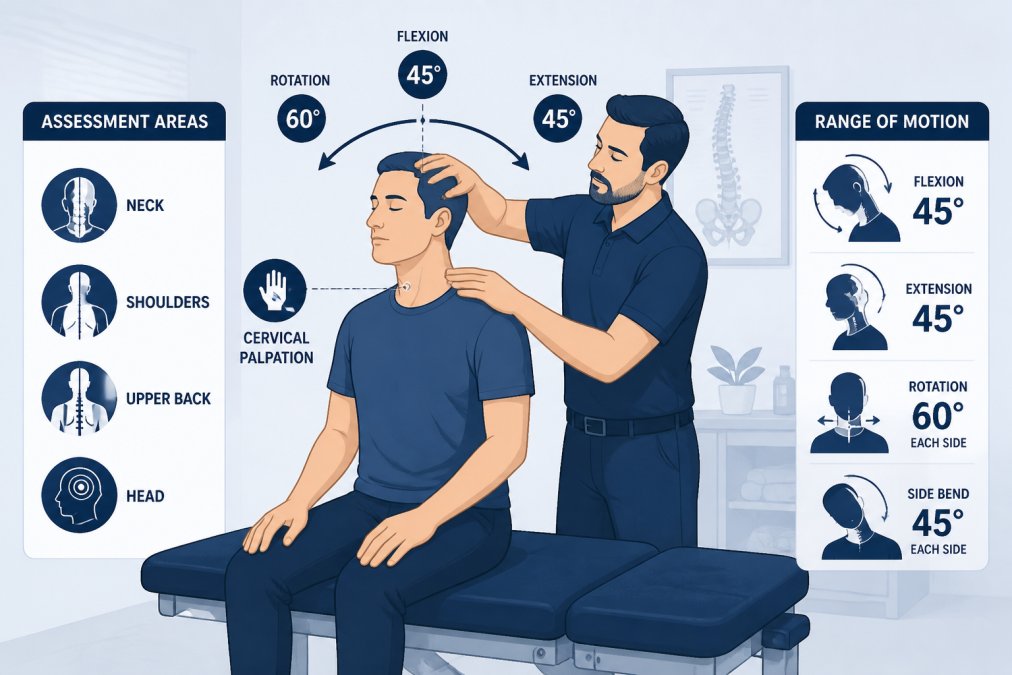
Your first appointment begins with detailed injury history. The chiropractor asks exactly how the accident happened, your position, whether you hit your head or chest, and what symptoms developed immediately versus later. This narrative helps them understand the injury mechanism and predict likely tissue damage.
They'll perform comprehensive physical examination including range-of-motion testing, asking you to move your neck, spine, and limbs in specific directions while assessing limitations and pain responses. Palpation involves feeling your spine and muscles to detect misalignment, muscle spasms, and tender points. Neurological testing checks reflexes, strength, and sensation to identify nerve involvement.
Imaging often follows if symptoms suggest structural damage. X-rays reveal vertebral misalignment and gross structural changes. MRI scans provide detailed soft tissue images showing bulges, tears, or inflammation. Your chiropractor uses these images to confirm clinical findings and guide treatment decisions.
A treatment plan emerges from this evaluation. Your chiropractor explains findings, what caused symptoms, and how they'll address it. They discuss expected timeline, visit frequency, and home care needs. Honest practitioners acknowledge that chiropractic care works best for certain injuries and may recommend other providers if your condition falls outside their expertise.
Initial treatment might begin immediately or wait until imaging is reviewed. Chiropractic adjustments focus on restoring vertebral alignment and reducing nerve irritation. Soft tissue work addresses muscle spasms and inflammation. Your chiropractor teaches home exercises and activity modifications.
Expect some soreness after your first appointment. Muscles in protective spasm may feel tender as they relax. This post-treatment soreness typically resolves within 24 hours and shouldn't be confused with injury worsening.
The first visit usually lasts 45-60 minutes. Follow-up appointments are typically 20-30 minutes. You'll leave with clear expectations about your next appointment and between-visit care.
Choosing the right chiropractor for auto accidents shapes your entire recovery experience. Natural Healing Arts Medical brings specialized experience treating accident injuries, with a track record of helping patients restore function and resolve pain without surgery. Their integrated approach combines chiropractic adjustment with physical therapy, and their expertise navigating insurance claims removes administrative stress from recovery. If you're dealing with whiplash, soft tissue injury, or hidden accident damage, schedule an appointment with Natural Healing Arts Medical to begin your path toward faster recovery and restored mobility.
Frequently Asked Questions
Is it a good idea to go to a chiropractor after a car accident?
Yes. Even minor accidents can cause whiplash, soft tissue injury, and spinal misalignment that may not be immediately obvious. A chiropractor can perform a thorough neurological assessment and diagnostic imaging to identify hidden injuries. Early intervention helps prevent delayed symptoms and chronic pain from developing. Seeking care within days of an accident also creates medical documentation needed for insurance claims.
How soon after a car accident should you see a chiropractor?
Ideally within 72 hours of the accident. Some injuries like whiplash and soft tissue damage develop over hours or days, so prompt evaluation is critical. Even if you feel fine initially, a chiropractor can detect vertebral subluxation or inflammation that could worsen without treatment. Early documentation also strengthens your personal injury protection claim and ensures your treatment plan begins before symptoms become chronic.
Can I seek a chiropractor while filing an auto claim?
Yes. In fact, chiropractic care is often covered under Personal Injury Protection (PIP) benefits or the at-fault party's liability insurance. A chiropractor experienced with accident claims can coordinate with your insurance company, handle paperwork, and ensure your medical records support your claim. Many accident-focused chiropractors work directly with insurers and attorneys to manage billing and documentation, reducing your out-of-pocket stress during recovery.
What questions should I ask a chiropractor after a car accident?
Ask about their experience with accident injuries, what diagnostic imaging they use, how they'll create your personalized treatment plan, how many visits they anticipate, whether they accept your insurance, and how they handle billing and claims paperwork. Also ask about their approach to pain management, whether they integrate physical therapy, and what rehabilitation exercises you'll do at home. Understanding their experience with Personal Injury Protection claims and legal coordination is essential if you're pursuing compensation.
How long does chiropractic care take after a car accident?
Recovery timelines vary based on injury severity. Whiplash and soft tissue injuries typically respond within 2-6 weeks of consistent treatment, though some patients need 8-12 weeks for full resolution. More complex injuries like herniated discs or chronic pain may require 3-6 months or longer. Your chiropractor will develop a treatment plan during your first visit based on diagnostic findings and your symptoms. Consistency with appointments and home rehabilitation exercises significantly affects how quickly you recover.