 listicle
Best Chiropractor for Herniated Discs: 2026 Guide
Table of Contents
- What Is a Herniated Disc and Why Chiropractic Care Matters
- Chiropractic Adjustment for Herniated Disc: How It Works
- Non-Surgical Treatment for Herniated Disc: Your Options
- Recovery Time for Herniated Disc: What to Expect
- Risks and Safety Considerations in Chiropractic Care
- When to See a Spine Surgeon vs. a Chiropractor
- What to Expect During Your First Visit
- Natural Healing Arts Medical: Comprehensive Disc Injury Care
- Frequently Asked Questions
Last Updated: August 24, 2026
What Is a Herniated Disc and Why Chiropractic Care Matters
A herniated disc occurs when the soft inner core of a spinal disc ruptures through the outer layer, pressing on nearby nerves and causing pain, numbness, or weakness. This condition commonly affects the lumbar spine (lower back) and cervical spine (neck). When a disc herniates, the inner nucleus pulposus pushes outward, potentially compressing nerve roots and triggering radiculopathy, nerve pain that radiates down the arms or legs. Many people experience sciatica, a specific type of radiculopathy affecting the sciatic nerve, often accompanied by weakness or numbness in the leg.
At Natural Healing Arts Medical, we understand that herniated discs don't always require surgery. Chiropractic care can combine spinal manipulation, therapeutic exercises, and soft tissue therapy to address the root cause of your pain. Conservative care often succeeds in relieving symptoms and restoring function without invasive procedures.
Chiropractic Adjustment for Herniated Disc: How It Works
Chiropractic adjustment, also called spinal manipulation, is a hands-on technique where a chiropractor applies controlled force to specific vertebrae to restore proper alignment and reduce pressure on herniated discs. When vertebrae become misaligned (subluxation), they can exacerbate disc herniation and increase pain. A skilled adjustment can move the vertebrae back into position, taking pressure off the affected disc and pinched nerve.
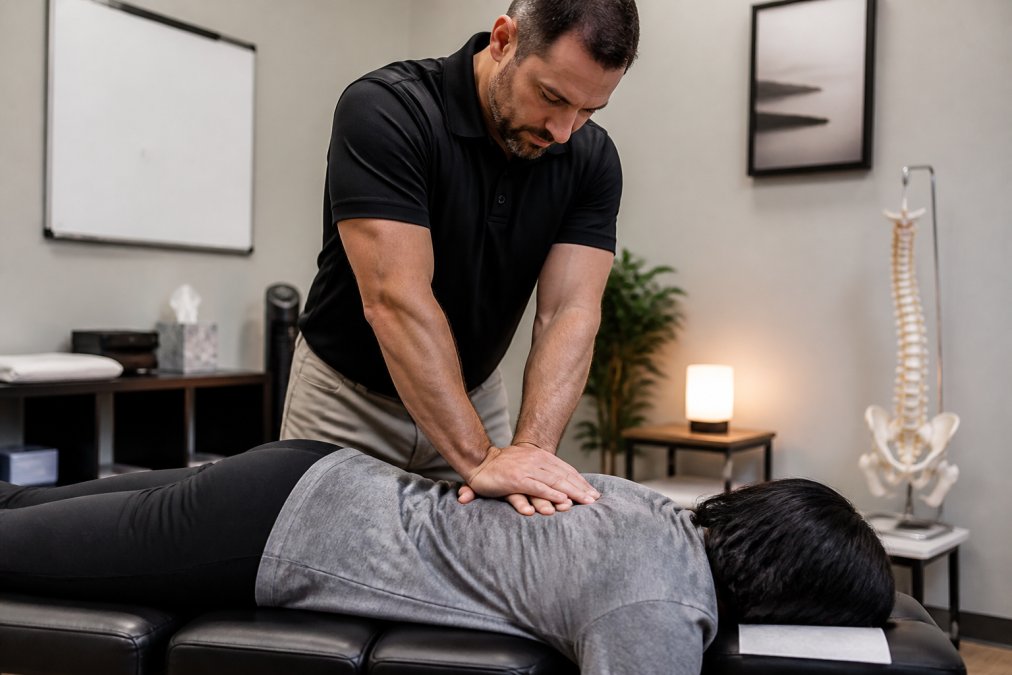
During an adjustment, the chiropractor uses precise pressure to mobilize the spine and encourage the protruded disc material to retract back into the disc space, away from the nerve root. Many patients report immediate relief after an adjustment, though sustained improvement typically requires a series of treatments combined with therapeutic exercises and soft tissue work.
The effectiveness of spinal manipulation depends on the disc's location, severity of nerve compression, duration of the condition, and presence of neurological loss. A chiropractor will perform a thorough clinical assessment and diagnostic imaging review before recommending adjustment as part of your treatment plan.
Non-Surgical Treatment for Herniated Disc: Your Options
Conservative care encompasses multiple therapeutic approaches designed to relieve pain, reduce inflammation, and restore function without surgery. A comprehensive treatment protocol typically combines several modalities tailored to your specific condition.
Spinal Decompression Therapy
Spinal decompression therapy uses a specialized table to gently stretch the spine, creating negative pressure within the discs. This mechanical decompression encourages herniated disc material to retract and promotes nutrient flow into the injured disc. During a session, you lie on a motorized table that slowly stretches your spine in a controlled manner. The treatment is painless and typically lasts 20-30 minutes, with most patients undergoing 12-20 sessions over several weeks.
Spinal decompression therapy works best when combined with chiropractic adjustments, therapeutic exercises, and myofascial release. This integrated approach accelerates recovery and reduces the likelihood of re-injury.
Myofascial Release and Soft Tissue Therapy
Myofascial release targets the fascia and muscle tension that often accompanies herniated discs. When a disc herniates and compresses a nerve, surrounding muscles tighten protectively, creating spasms and restricting range of motion. A therapist applies controlled, sustained pressure to tight areas, holding for 30-90 seconds until the tissue releases (peer-reviewed research). This soft tissue therapy complements spinal manipulation by addressing the muscular component of your pain.
Therapeutic Exercises and Physical Therapy Integration
Therapeutic exercises and physical therapy form the foundation of long-term recovery from herniated discs. These exercises strengthen core muscles that support the spine, improve posture, and enhance spinal stability. A chiropractor will prescribe specific exercises tailored to your condition, typically including planks, modified crunches, pelvic floor exercises, and controlled stretches.
Core strengthening reduces stress on your spine by distributing loads more evenly across your back. Strong abdominal and deep spinal muscles stabilize your vertebrae and prevent excessive motion that could re-injure the disc. Consistency matters significantly, patients who adhere to prescribed home exercise programs experience faster recovery and better long-term outcomes. Most chiropractors recommend performing prescribed exercises 4-6 days per week.
Recovery Time for Herniated Disc: What to Expect
Recovery time for a herniated disc varies depending on severity, location, age, overall health, and adherence to your treatment plan. Most people experience significant improvement within 4-8 weeks of consistent conservative care (peer-reviewed research). Acute pain often improves within the first 2-3 weeks, reflecting reduced nerve compression and decreased muscle tension.
A typical treatment protocol involves 2-3 visits per week for the first 4-6 weeks, then tapering frequency as symptoms improve. Some patients continue maintenance visits monthly to prevent recurrence. Factors that accelerate recovery include young age, good overall fitness, early intervention, and strict adherence to prescribed exercises and activity modifications.
Risks and Safety Considerations in Chiropractic Care
While chiropractic care is generally safe when performed by a qualified practitioner, certain risks warrant discussion. The most commonly cited concern involves stroke from cervical manipulation, though this complication is extremely rare and often occurs in patients with undiagnosed arterial disease (the CDC). A thorough clinical assessment before treatment helps identify contraindications.
Specific contraindications for chiropractic adjustment include significant neurological deficits, severe osteoporosis, anticoagulant therapy without physician clearance, and active infection. A chiropractor will screen for these contraindications during your initial consultation. Temporary soreness after an adjustment is normal, similar to muscle soreness after exercise, and typically resolves within 24-48 hours.
A chiropractor should not proceed with manipulation if diagnostic imaging reveals severe disc degeneration, significant nerve root compression with neurological loss, or other findings suggesting surgical intervention is more appropriate. The integration of diagnostic imaging requirements into clinical decision-making ensures that chiropractic care remains conservative and appropriate for each patient's specific condition.
When to See a Spine Surgeon vs. a Chiropractor
Most herniated discs respond favorably to conservative care, making chiropractic treatment an appropriate first-line option. However, certain situations warrant surgical consultation. Indications for surgical evaluation include progressive neurological deficits, cauda equina syndrome, intractable pain unresponsive to 6-12 weeks of conservative care, or significant functional disability despite appropriate treatment.
Conversely, most uncomplicated herniated discs with localized pain, mild to moderate radiculopathy, and preserved neurological function respond well to chiropractic care combined with physical therapy. A chiropractor recognizes the limits of conservative care and refers appropriately when surgical intervention becomes necessary. If your chiropractor consistently dismisses your concerns or refuses to consider surgical consultation despite worsening symptoms, seek a second opinion from a spine surgeon or orthopedic specialist.
What to Expect During Your First Visit
Your first visit to a chiropractor for herniated disc care involves comprehensive evaluation, diagnostic assessment, and treatment planning. Most initial consultations last 45-60 minutes.
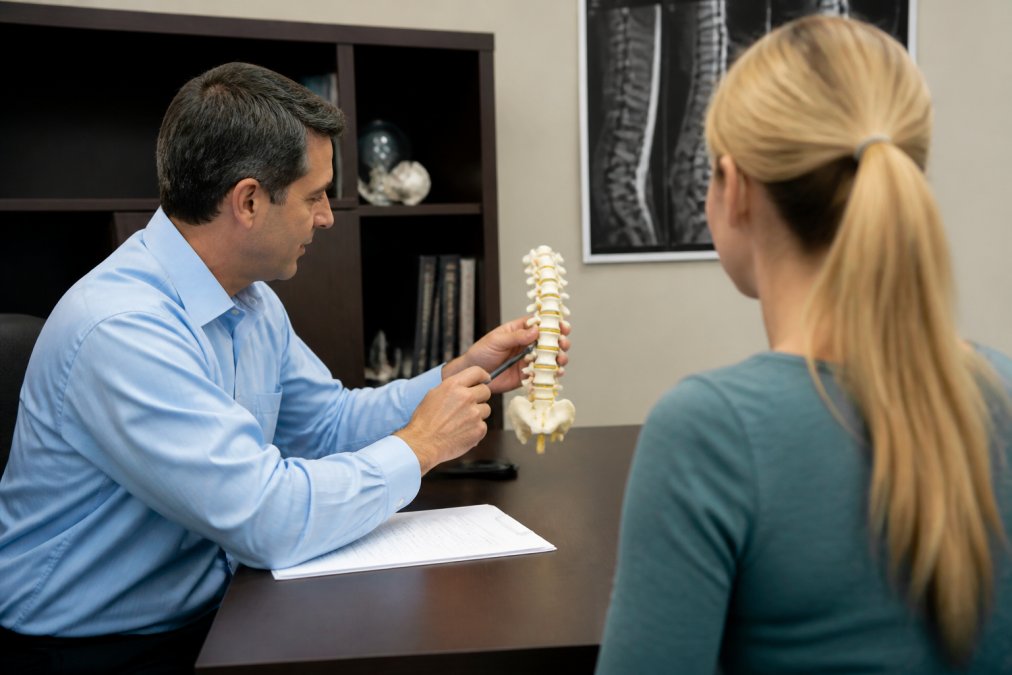
The visit begins with a detailed health history and symptom review. Your chiropractor will ask about the onset of your pain, activities that worsen or improve symptoms, and your wellness objectives. Be specific about your symptoms and describe any radiating sensations, numbness, or weakness.
Next, your chiropractor performs a thorough physical examination, including orthopedic and neurological testing. They assess your range of motion, muscle strength, reflexes, and sensation to identify nerve involvement. Many chiropractors order or review diagnostic imaging to visualize the herniated disc and assess the degree of nerve compression.
Based on your evaluation, your chiropractor explains their findings and recommends a treatment protocol. This plan typically includes visit frequency, specific therapies, and expected timeline for improvement. They discuss your role in recovery, including home exercises, posture correction, and activity modifications. Most chiropractors provide an initial adjustment during your first visit, allowing you to experience their technique and assess your comfort level.
Natural Healing Arts Medical: Comprehensive Disc Injury Care
Natural Healing Arts Medical, led by Dr. David Zamikoff, offers comprehensive chiropractic care specifically designed for patients with herniated discs and related spinal conditions. The clinic specializes in non-surgical rehabilitation, combining spinal manipulation, spinal decompression therapy, myofascial release, and therapeutic exercise integration. Rather than applying the same adjustment to every patient, Natural Healing Arts Medical tailors treatment to your specific disc injury, nerve involvement, and functional limitations.
Natural Healing Arts Medical accepts most health insurance and Medicare, and offers flexible payment plans for uninsured patients. The clinic has been recognized as one of America's Best Chiropractors by the National Consumer Research Board for multiple years, reflecting consistent commitment to clinical excellence and patient outcomes.
For patients seeking chiropractic care for herniated discs, Natural Healing Arts Medical combines clinical expertise, evidence-based protocols, and genuine compassion. The team prioritizes your wellness objectives and works systematically toward faster recovery and long-term pain relief.
Schedule an appointment with Natural Healing Arts Medical to begin your recovery from herniated disc pain. Dr. Zamikoff and his team will perform a thorough evaluation, explain your condition clearly, and develop a personalized treatment plan designed to relieve your pain, restore your range of motion, and help you reach your wellness objectives.
=== FAQ ANSWERS (audit these too, same rules) ===
[1] Q: Can a chiropractor safely treat a herniated disc? A: Yes, when performed by a qualified chiropractor with proper diagnostic imaging and clinical assessment. Chiropractic adjustments and spinal manipulation can reduce nerve irritation and pressure on herniated discs. However, certain contraindications exist, severe neurological symptoms, significant strength or sensation loss, or cauda equina syndrome require medical evaluation first. A thorough orthopedic evaluation and diagnostic imaging help determine if chiropractic care is appropriate for your specific condition.
[2] Q: How long does recovery time for herniated disc take with chiropractic care? A: Recovery varies based on the severity of your herniated disc, your age, and how consistently you follow the treatment protocol. Some patients experience relief within 2-4 weeks, while others require 8-12 weeks of consistent care. Most treatment plans combine chiropractic adjustments, therapeutic exercises, and soft tissue therapy. Acute injuries typically resolve faster than chronic conditions. Your chiropractor will establish a personalized timeline during your initial consultation.
[3] Q: What makes a good chiropractor for herniated disc treatment? A: Look for a chiropractor who uses diagnostic imaging (X-rays or MRI) to confirm your herniated disc, performs a thorough clinical assessment, and explains your condition clearly. They should offer multiple treatment approaches, not just repetitive adjustments, including therapeutic exercises, physical therapy integration, and soft tissue therapy. Experience with disc injuries and a patient-centered approach that listens to your concerns are essential. Ask about their willingness to refer you to a spine surgeon if needed.
[4] Q: Is chiropractic care better than physical therapy alone for herniated discs? A: Both approaches have merit, and the best results often come from combining them. Chiropractic adjustments address vertebral alignment and nerve compression, while physical therapy strengthens supporting muscles and improves range of motion. A comprehensive treatment plan integrates spinal manipulation with therapeutic exercises, myofascial release, and posture correction. Many patients benefit from working with both a chiropractor and a physical therapist simultaneously or sequentially, depending on their condition and recovery goals.
Frequently Asked Questions
Can a chiropractor safely treat a herniated disc?
Yes, when performed by a qualified chiropractor with proper diagnostic imaging and clinical assessment. Chiropractic adjustments and spinal manipulation can reduce nerve irritation and pressure on herniated discs. However, certain contraindications exist, severe neurological symptoms, significant strength or sensation loss, or cauda equina syndrome require medical evaluation first. A thorough orthopedic evaluation and diagnostic imaging help determine if chiropractic care is appropriate for your specific condition.
How long does recovery time for herniated disc take with chiropractic care?
Recovery varies based on the severity of your herniated disc, your age, and how consistently you follow the treatment protocol. Some patients experience relief within 2-4 weeks, while others require 8-12 weeks of consistent care. Most treatment plans combine chiropractic adjustments, therapeutic exercises, and soft tissue therapy. Acute injuries typically resolve faster than chronic conditions. Your chiropractor will establish a personalized timeline during your initial consultation.
What makes a good chiropractor for herniated disc treatment?
Look for a chiropractor who uses diagnostic imaging (X-rays or MRI) to confirm your herniated disc, performs a thorough clinical assessment, and explains your condition clearly. They should offer multiple treatment approaches, not just repetitive adjustments, including therapeutic exercises, physical therapy integration, and soft tissue therapy. Experience with disc injuries and a patient-centered approach that listens to your concerns are essential. Ask about their willingness to refer you to a spine surgeon if needed.
Is chiropractic care better than physical therapy alone for herniated discs?
Both approaches have merit, and the best results often come from combining them. Chiropractic adjustments address vertebral alignment and nerve compression, while physical therapy strengthens supporting muscles and improves range of motion. A comprehensive treatment plan integrates spinal manipulation with therapeutic exercises, myofascial release, and posture correction. Many patients benefit from working with both a chiropractor and a physical therapist simultaneously or sequentially, depending on their condition and recovery goals.