 how-to guide
Get Relief from Chronic Back Pain: A 2026 Guide
Table of Contents
- Step 1: Understand What's Driving Your Chronic Back Pain
- Step 2: Explore Chronic Back Pain Treatment Options
- Step 3: Build a Non-Surgical Back Pain Relief Plan
- Step 4: Follow Exercises for Chronic Lower Back Pain
- Step 5: Apply Natural Remedies for Back Pain at Home
- Step 6: Optimize Your Ergonomic Workspace and Daily Posture
- Step 7: Address Sleep, Mental Health, and Long-Term Management
- Red Flags: When to See a Doctor About Your Back Pain
- Frequently Asked Questions
Last Updated: July 29, 2026
Chronic back pain affects a significant portion of American adults, and finding an effective path forward can feel overwhelming when treatments seem to offer only temporary relief. A structured, multidisciplinary approach that addresses the root cause, not just the symptom, is essential. Natural Healing Arts Medical has helped patients in Bradenton, FL work through this challenge, combining conservative care with personalized treatment plans. Below is a step-by-step guide covering everything from identifying your pain's source to protecting your spine for the long term.
Most guides treat chronic back pain as a single condition with a single fix. The reality is that chronic back pain is a persistent musculoskeletal condition lasting 12 weeks or more, often involving multiple contributing factors including structural damage, nerve involvement, poor movement patterns, and lifestyle habits. Treating one piece without addressing the others allows pain to return.
Step 1: Understand What's Driving Your Chronic Back Pain
Chronic back pain is not a diagnosis in itself. It is a signal that something in the spine, surrounding muscles, or nervous system is under sustained stress. Getting a clinical diagnosis before committing to any treatment plan is essential, because the wrong treatment for the wrong cause can make things worse.
Common Musculoskeletal Causes
Most cases of chronic back pain originate in the musculoskeletal system. Common culprits include muscle imbalances from prolonged sitting, ligament sprains that never fully healed, degenerative disc disease, and facet joint dysfunction. These conditions respond well to conservative treatment when caught early. A common mistake is assuming rest will resolve the problem. Inactivity often accelerates deconditioning, which tightens supporting muscles and increases pain over time.
When Nerve Pain and Vertebral Issues Are Involved
Nerve pain presents differently. Patients typically describe burning, shooting, or radiating sensations that travel down the leg, characteristic of sciatica. Vertebral issues such as herniated discs, spinal stenosis, or spondylolisthesis can compress nerve roots and require a more targeted approach. According to National Institute of Neurological Disorders and Stroke, nerve compression in the lumbar region is one of the leading causes of radiating leg pain in adults. If your pain includes numbness, tingling, or weakness in the lower extremities, prompt clinical evaluation is warranted.
Step 2: Explore Chronic Back Pain Treatment Options
The landscape of chronic back pain treatment has expanded considerably. The most effective plans combine several approaches rather than relying on a single modality. A multidisciplinary approach consistently outperforms single-discipline care.
Over-the-Counter Medications: NSAIDs, Acetaminophen, and Topical Pain Relievers
NSAIDs such as ibuprofen and naproxen sodium reduce inflammation and provide short-term symptom relief. Acetaminophen addresses pain without targeting inflammation, making it useful when gastrointestinal sensitivity rules out NSAIDs. Topical pain relievers, including creams containing menthol or diclofenac, deliver localized relief without systemic side effects. These are appropriate for managing flare-ups, not as a long-term solution.
Prescription Options: Muscle Relaxants and Beyond
Muscle relaxants are prescribed when muscle spasm is a primary driver of pain. They work centrally on the nervous system to reduce spasm, but carry sedation risks and are generally not recommended for long-term use. Prescription-strength NSAIDs and nerve pain medications may also be appropriate depending on the clinical diagnosis. Always discuss the full risk profile with your prescribing physician before starting any prescription pain management regimen.
Step 3: Build a Non-Surgical Back Pain Relief Plan
Non-surgical back pain relief is achievable for the vast majority of patients. The key is sequencing treatments correctly and giving each approach adequate time to produce results.
Chiropractic Care and Spinal Manipulation
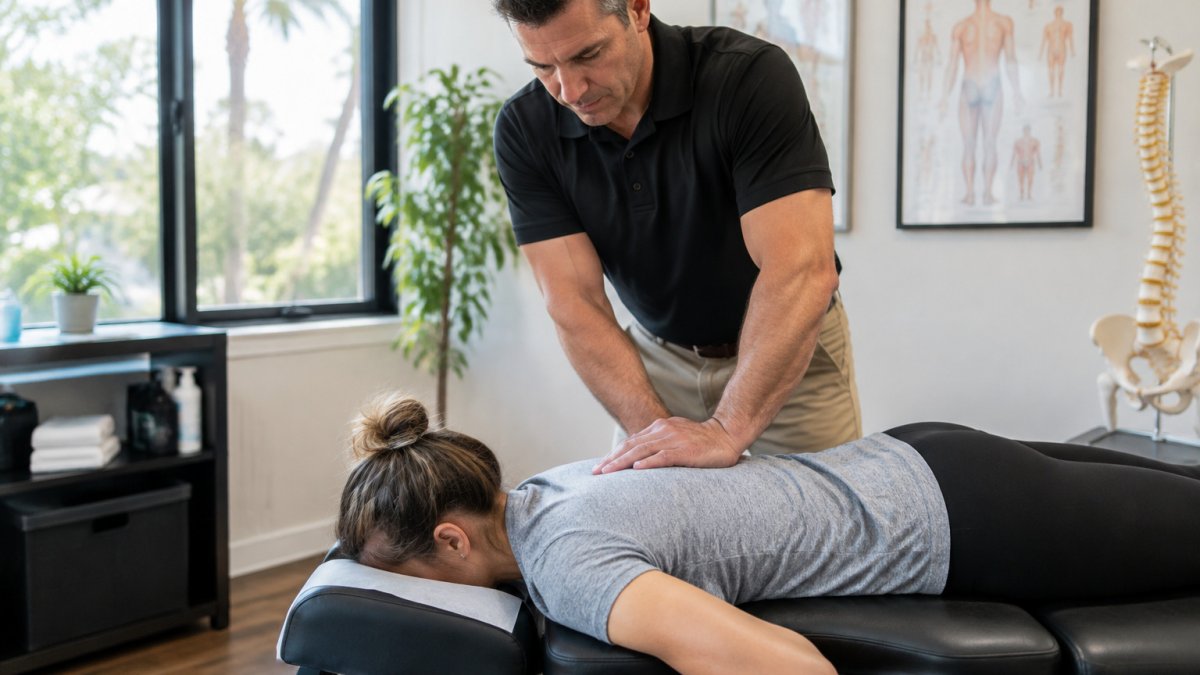
Chiropractic care targets vertebral alignment and joint mobility. Spinal manipulation restores normal range of motion, reduces nerve irritation, and decreases muscle tension. Outcomes improve significantly when treatment plans are individualized rather than formulaic. Dr. David Zamikoff at Natural Healing Arts Medical has been recognized as one of America's Best Chiropractors by the National Consumer Research Board for over a decade, reflecting a commitment to patient-specific care rather than a one-size-fits-all adjustment protocol. When performed by a qualified provider who has reviewed imaging and conducted a thorough intake, spinal manipulation can be adapted to avoid aggravating disc pathology.
Acupuncture, Biofeedback Therapy, and Electrical Nerve Stimulation
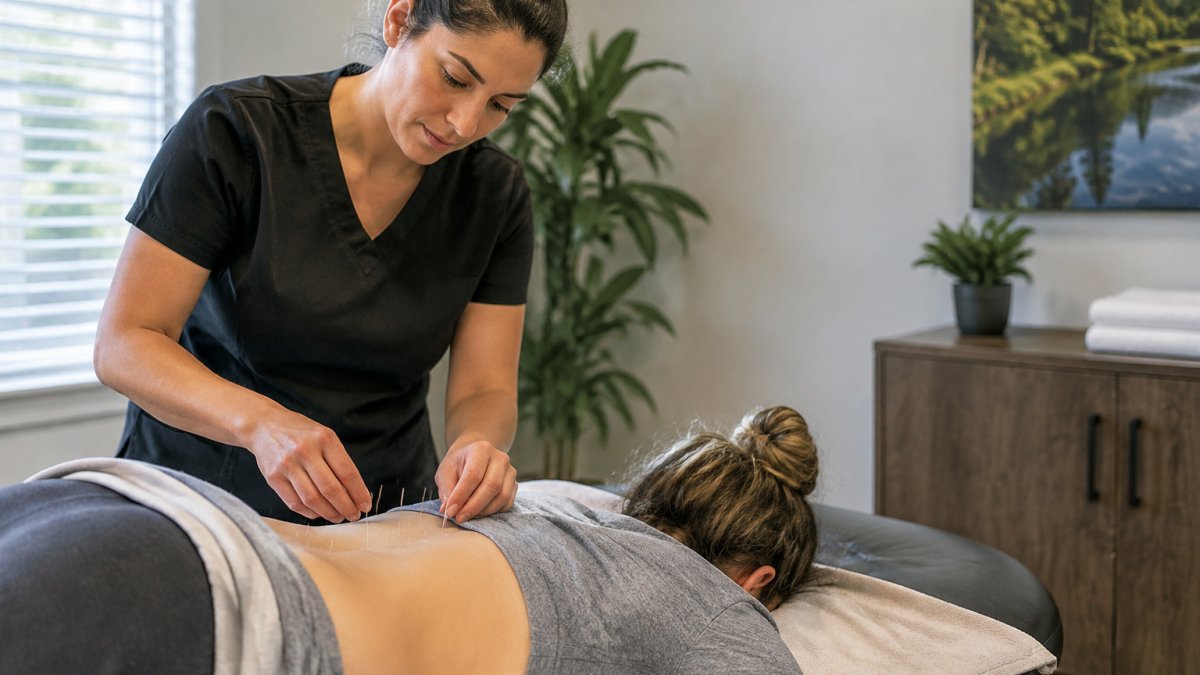
Acupuncture involves the insertion of thin needles at specific points to modulate pain signals and reduce inflammation. Many patients who have not responded fully to conventional treatment find acupuncture provides meaningful symptom relief. Biofeedback therapy trains patients to consciously regulate physiological responses such as muscle tension, which directly contributes to chronic pain cycles. Electrical nerve stimulation, including TENS units, delivers low-voltage electrical current to disrupt pain signal transmission. These noninvasive treatments are often used in combination for patients with high pain sensitivity.
Step 4: Follow Exercises for Chronic Lower Back Pain
Exercise is one of the most evidence-supported interventions for chronic back pain. The challenge is choosing the right type and intensity, because exercises that help one patient can aggravate another.

Core Strengthening Movements
Core strengthening does not mean doing hundreds of sit-ups. The deep stabilizing muscles, particularly the transverse abdominis and multifidus, are the ones that matter most for spine health. Exercises should prioritize these deep muscles before loading the superficial ones.
Effective starting movements include:
- Dead bug: lying on your back, extending opposite arm and leg while maintaining a neutral spine
- Bird dog: on hands and knees, extending opposite arm and leg without rotating the pelvis
- Glute bridges: activating the posterior chain to reduce load on the lumbar spine
- Pelvic tilts: gentle range-of-motion work that reestablishes motor control
Start with two sets of eight to ten repetitions and progress gradually. Pushing through sharp pain is counterproductive.
Stretching Exercises and Posture-Promoting Routines
Tight hip flexors, hamstrings, and piriformis muscles all pull on the lumbar spine and amplify pain. A posture-promoting routine should address these areas daily. Effective stretches include the knee-to-chest stretch, the seated piriformis stretch, and the cat-cow sequence for spinal mobility. Hold each stretch for 30 seconds and repeat two to three times. Consistency matters more than intensity. Fifteen minutes every morning produces better long-term results than an occasional hour-long session.
Step 5: Apply Natural Remedies for Back Pain at Home
Natural remedies for back pain are most effective when used strategically alongside other treatments, not as a substitute for them. Think of them as tools to manage flare-ups and support recovery between clinical visits.
Hot and Cold Compresses
Cold therapy reduces inflammation and numbs acute pain. Apply an ice pack wrapped in a cloth for 15 to 20 minutes during the first 48 to 72 hours of a flare-up. Heat therapy increases blood flow, relaxes muscle tension, and is better suited for chronic stiffness. The rule of thumb: cold for swelling and acute pain, heat for stiffness and muscle tension.
Anti-Inflammatory Nutrition and Dietary Adjustments
Diet is an underappreciated lever in chronic pain management. Chronic inflammation drives persistent pain, and dietary choices directly influence systemic inflammation levels. According to Harvard T.H. Chan School of Public Health's Nutrition Source, diets high in refined carbohydrates, processed meats, and added sugars promote inflammatory pathways that amplify pain sensitivity.
Anti-inflammatory dietary adjustments to prioritize:
- Fatty fish such as salmon and sardines, rich in omega-3 fatty acids
- Colorful vegetables and berries, high in antioxidants
- Turmeric and ginger, which have documented anti-inflammatory properties
- Olive oil as a primary fat source
- Reducing ultra-processed foods, sugary beverages, and trans fats
Patients who clean up their diet often report meaningful reductions in baseline pain levels within several weeks.
Step 6: Optimize Your Ergonomic Workspace and Daily Posture
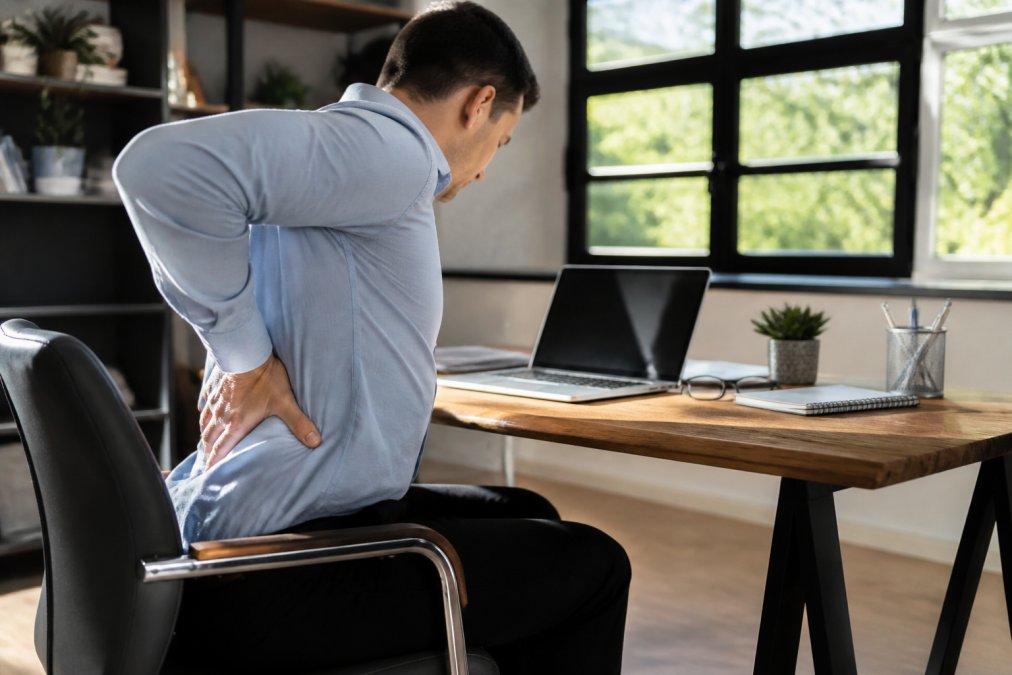
Most desk workers spend the majority of their waking hours in positions that compress the lumbar spine. Fixing your ergonomic workspace is one of the highest-return interventions available and costs far less than ongoing treatment.
| Ergonomic Element | Recommended Setup | Common Mistake |
|---|---|---|
| Chair height | Feet flat on floor, knees at 90 degrees | Sitting too high or low, forcing hip flexion |
| Monitor position | Eye level, arm's length away | Monitor too low, causing forward head posture |
| Lumbar support | Natural inward curve maintained | Slouching, flattening the lumbar curve |
| Keyboard and mouse | Elbows at 90 degrees, wrists neutral | Reaching forward, straining shoulders |
| Standing breaks | Every 30-45 minutes | Sitting for 3-4 hours without movement |
Posture correction is about creating an environment where good posture is the path of least resistance. A chair that supports your lumbar curve, a monitor at eye level, and a habit of standing every 30 to 45 minutes will do more for your spine than any posture brace.
Step 7: Address Sleep, Mental Health, and Long-Term Management
Structural treatments and exercises address the physical contributors to chronic back pain, but sleep and mental health are equally important for long-term management.
Sleep Hygiene for Spine Health
Poor sleep worsens pain sensitivity. Pain disrupts sleep, and sleep deprivation lowers the pain threshold, making the same level of tissue damage feel more intense. Optimizing sleep is therefore a direct pain management strategy.
Practical sleep hygiene adjustments for back pain patients:
- Sleep on a medium-firm mattress that supports spinal alignment
- Side sleepers should place a pillow between the knees to reduce hip rotation
- Back sleepers benefit from a pillow under the knees to decompress the lumbar spine
- Avoid sleeping on your stomach, which forces the neck into rotation and increases lumbar extension
- Maintain a consistent sleep schedule to stabilize the body's pain-regulating systems
The Mental Health and Chronic Pain Connection
Chronic pain and mental health are deeply intertwined. Persistent pain increases the risk of depression and anxiety, and those psychological states amplify the perception of pain. The brain's emotional processing centers and pain processing centers overlap significantly. Patients who address both dimensions through counseling, mindfulness-based stress reduction, or behavioral therapy alongside physical treatment report better outcomes than those who treat only the physical component.
Red Flags: When to See a Doctor About Your Back Pain
Some symptoms require prompt medical attention and should not be managed with home remedies or self-directed care. Seek evaluation immediately if you experience any of the following:
- Loss of bladder or bowel control
- Numbness or weakness in both legs
- Severe pain following trauma such as a fall or auto accident
- Back pain accompanied by unexplained weight loss or fever
- Pain that is constant, worsening at night, or not relieved by any position
These presentations can indicate serious conditions including spinal cord compression, infection, or malignancy. Missing them carries serious consequences.
Navigating Insurance and Cost-Effective Care Paths
Cost is a real barrier for many patients. Understanding your options before starting treatment reduces financial stress that can itself worsen pain. Natural Healing Arts Medical accepts most health insurance plans and Medicare, and offers flexible payment plans for patients managing out-of-pocket costs.
For auto accident victims, chiropractic care is frequently covered under personal injury protection coverage. As documented by Florida Department of Financial Services on PIP coverage, Florida's no-fault auto insurance system requires PIP coverage that may apply to chiropractic and medical treatment following an accident. Always verify your specific policy terms and get documentation of your injuries early in the claims process.
Chronic back pain does not resolve on its own for most people, and generic advice rarely moves the needle. If you have already tried physical therapy or over-the-counter medications without lasting relief, the next step is a comprehensive evaluation that looks at the full picture. Natural Healing Arts Medical, led by Dr. David Zamikoff in Bradenton, FL, offers individualized chiropractic care, accepts most health insurance and Medicare, and provides flexible payment options so cost does not stand between you and recovery. Schedule an appointment with Natural Healing Arts Medical and start building a treatment plan designed around your specific diagnosis, not a template.
Frequently Asked Questions
What is the fastest way to get relief from chronic back pain?
There is no single fastest fix, but a combination of approaches tends to work best. Applying hot or cold compresses can reduce inflammation and ease muscle tension quickly. Over-the-counter options like NSAIDs or acetaminophen may provide short-term symptom relief. For lasting results, a multidisciplinary approach that includes physical therapy, chiropractic care, and posture correction is generally recommended. Always consult a qualified healthcare provider before starting any new treatment plan for chronic back pain.
What are the best exercises for chronic lower back pain?
Gentle core strengthening and stretching exercises are widely recommended for chronic lower back pain. Moves like pelvic tilts, bird-dog, and knee-to-chest stretches help improve mobility and support the spine without placing excessive load on vertebral structures. A posture-promoting routine performed consistently can also reduce recurring flare-ups. It is important to start slowly and work with a physical therapist or chiropractor to ensure exercises are appropriate for your specific condition and pain threshold.
Can chronic back pain be treated without surgery?
Yes, many people find meaningful relief through non-surgical back pain relief strategies. Conservative treatment options include chiropractic care, physical therapy, acupuncture, biofeedback therapy, electrical nerve stimulation, and ergonomic workspace adjustments. Lifestyle changes such as anti-inflammatory nutrition, improved sleep hygiene, and stress management also support long-term management. Surgery is generally considered only after conservative treatments have been thoroughly explored. A clinical diagnosis from a qualified provider helps determine the most appropriate care path for your situation.
When should I see a doctor for chronic back pain?
You should seek prompt medical attention if your back pain is accompanied by numbness or tingling down the legs, loss of bladder or bowel control, unexplained weight loss, fever, or pain following a significant injury. Pain that does not respond to conservative treatment after several weeks also warrants a clinical evaluation. These can be red flags for more serious musculoskeletal or neurological conditions that require a thorough diagnosis before beginning any treatment program.
How can lifestyle changes help with chronic back pain?
Lifestyle changes play a significant role in long-term chronic back pain management. Maintaining an ergonomic workspace reduces daily strain on the spine. Anti-inflammatory dietary choices may help lower systemic inflammation. Consistent sleep hygiene supports tissue recovery and lowers pain sensitivity. Addressing the mental health and chronic pain connection through stress reduction or counseling can also raise your pain threshold over time. Together, these changes complement clinical treatments and support a more complete, patient-centered recovery.
What natural remedies for back pain can I try at home?
Several natural remedies for back pain are practical to try at home. Alternating hot and cold compresses can ease muscle tension and reduce localized inflammation. Gentle stretching exercises improve mobility and reduce stiffness. Some individuals find relief through anti-inflammatory nutrition, such as reducing processed foods and increasing omega-3-rich options. Mind-body practices like deep breathing may also help manage pain perception. These remedies work best as part of a broader care plan guided by a qualified healthcare professional.