 listicle
Health Source Chiro Alternatives: 2026 Guide
Table of Contents
- Why Patients Seek Chiropractic Alternatives
- Chiropractic vs Physical Therapy for Back Pain
- Surgery-Free Treatment Options for Joint Pain
- How to Find a Reputable Chiropractor
- Chiropractic Care Red Flags to Avoid
- Integrated Healthcare: Combining Approaches for Better Outcomes
- What Makes a Chiropractic Practice Stand Out
- Frequently Asked Questions
Last Updated: August 15, 2026
Why Patients Seek Chiropractic Alternatives
Patients often turn to alternatives when their current treatment isn't delivering results or when they want to explore different approaches to managing pain and mobility issues. The reasons are practical: a standard adjustment every visit without addressing underlying dysfunction, limited progress after weeks of care, or simply wanting to combine multiple therapeutic methods for better outcomes. At Natural Healing Arts Medical in Bradenton, we've observed that many patients arrive after trying one modality alone and discovering that integrated care produces faster, more lasting results.
The decision to explore alternatives isn't about abandoning chiropractic, it's about finding the right combination of treatments tailored to your specific condition. Some patients need hands-on adjustment paired with targeted physical therapy. Others benefit from advanced modalities like viscosupplementation for joint pain. The key is understanding what options exist and how they work together.

Common reasons patients explore alternatives include plateauing results, preference for evidence-based progressive rehabilitation approaches, desire for integrated healthcare combining multiple disciplines, and specific conditions requiring specialized treatment beyond standard adjustments. Insurance coverage differences, appointment availability, and practitioner expertise also influence these decisions. Understanding your options helps you make informed choices about your care path.
Chiropractic vs Physical Therapy for Back Pain
Chiropractic care focuses on spinal adjustment and alignment, while physical therapy emphasizes functional movement and therapeutic exercise to restore strength and mobility. Both address back pain effectively, but through different mechanisms and with different goals.
Chiropractic treatment typically involves spinal manipulation to improve joint mobility and reduce nerve irritation. Sessions are often shorter (15-30 minutes) and focus on correcting alignment issues. Physical therapy, by contrast, uses therapeutic exercise, manual therapy, and functional training to rebuild strength and correct movement patterns. PT sessions typically run 45-60 minutes and emphasize active participation from the patient.
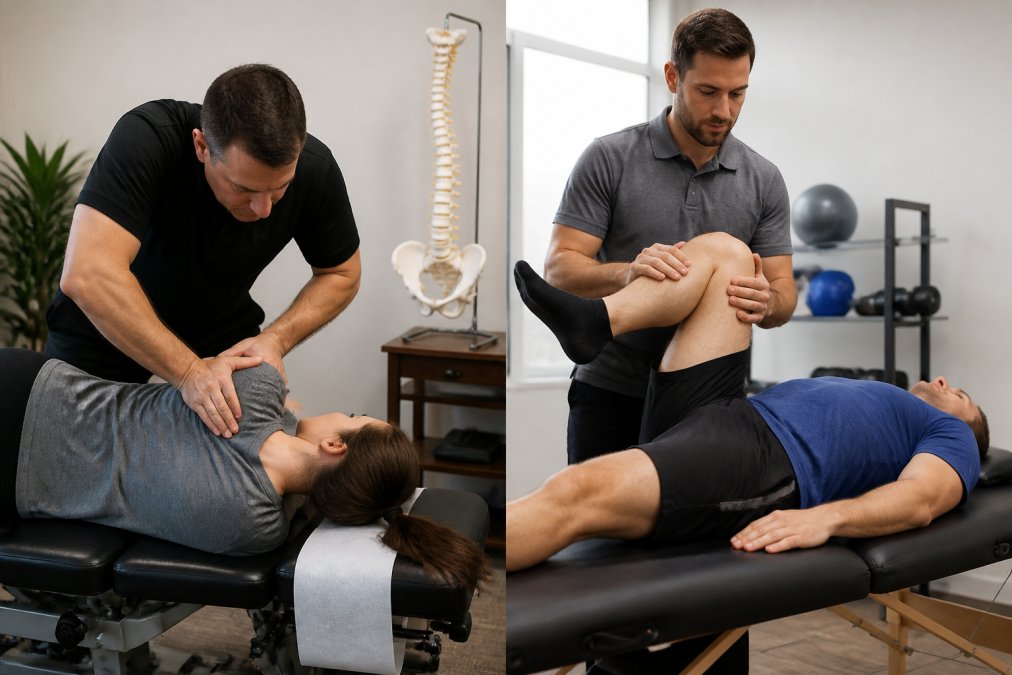
The real difference emerges in how they approach chronic pain. Chiropractic care can provide rapid relief for acute misalignment and nerve compression. Physical therapy builds long-term resilience by addressing the movement patterns and muscle imbalances that caused the problem in the first place. Many patients find that combining both, chiropractic adjustment for immediate relief paired with physical therapy for functional restoration, produces superior outcomes compared to either approach alone.
For patients with disc injuries or chronic lower back pain, the progressive rehabilitation model works best. This means starting with manual therapy and adjustment to reduce acute pain, then transitioning to therapeutic exercise and neuromuscular re-education as pain decreases. Natural Healing Arts Medical incorporates this model, ensuring patients move through treatment phases based on their progress rather than a fixed schedule.
Surgery-Free Treatment Options for Joint Pain
Joint pain doesn't require surgery as a first resort. Multiple evidence-based alternatives can restore mobility and reduce pain without invasive procedures. Understanding these options helps you make informed decisions before considering surgical intervention.
Viscosupplementation for Knee Osteoarthritis
Viscosupplementation is a procedure where a lubricating gel similar to natural joint fluid is injected into the knee to reduce friction and pain associated with osteoarthritis. This surgery-free approach provides long-lasting relief for many patients experiencing knee degeneration.
The procedure works by restoring the knee's natural cushioning and reducing inflammation. Natural Healing Arts Medical uses Hyalgan, a hyaluronic acid-based viscosupplement, administered as part of a comprehensive treatment program that includes physical therapy. Most patients require a series of injections spaced over several weeks, followed by ongoing physical therapy to maximize mobility and strength.
Results typically appear within 2-4 weeks, with many patients experiencing relief lasting 6-12 months or longer. This approach is particularly effective for patients with mild-to-moderate osteoarthritis who want to delay or avoid knee surgery. The combination of viscosupplementation with physical therapy during the treatment program produces better long-term outcomes than injection alone.
Manual Therapy and Soft Tissue Techniques
Manual therapy encompasses hands-on techniques that address muscle tension, joint restriction, and tissue dysfunction. These methods, including soft tissue therapy, myofascial release, and joint mobilization, reduce pain and restore functional movement without medication or surgery.
Soft tissue techniques target muscle and connective tissue dysfunction that contributes to chronic pain. Kinesiology taping, cupping therapy, and trigger point release can be combined with manual therapy for comprehensive treatment. These approaches work particularly well for patients with postural dysfunction, repetitive strain injuries, and chronic muscle tension.
The advantage of manual therapy is its ability to address both the immediate pain and the underlying dysfunction. Unlike medication that masks symptoms, manual therapy and soft tissue work restore actual tissue function. When paired with therapeutic exercise and movement correction, these techniques produce lasting improvement rather than temporary relief.
How to Find a Reputable Chiropractor
Selecting a qualified chiropractor requires evaluating credentials, treatment philosophy, and communication style. Not all practitioners take the same approach, and finding the right fit significantly impacts your outcomes.
Start by verifying credentials. Licensed chiropractors hold a Doctor of Chiropractic degree and maintain state licensure. Ask about continuing education, practitioners committed to staying current with evidence-based methods invest in ongoing training. Check whether the chiropractor accepts your insurance and Medicare if applicable, and inquire about flexible payment plans for services not covered.
Assess treatment philosophy through an initial consultation. Does the practitioner listen to your specific complaints or immediately recommend a standard treatment protocol? Do they explain their findings and involve you in treatment planning? A reputable chiropractor explains what they're doing, why they're doing it, and what you should expect. They also acknowledge limitations, if your condition requires physical therapy or medical evaluation, they'll recommend it rather than claiming chiropractic alone will solve everything.
Ask about their approach to progressive rehabilitation. Do they adjust treatment based on your progress, or do they stick to a predetermined number of visits regardless of results? Do they incorporate physical therapy, functional movement training, or other modalities into their care plan? Practitioners using a comprehensive, patient-centered approach typically produce better outcomes than those offering only adjustment.
Request references or reviews from current patients. Look for comments about communication, results, and whether practitioners addressed the specific condition you're dealing with. Natural Healing Arts Medical has been selected as one of America's Best Chiropractors for multiple consecutive years, reflecting consistent patient satisfaction and clinical results.
Chiropractic Care Red Flags to Avoid
Certain practices indicate a chiropractor prioritizes revenue over patient outcomes. Recognizing these red flags protects you from ineffective or potentially harmful care.
Avoid practitioners who recommend unlimited visits upfront without assessing progress. Legitimate treatment plans are based on your condition and progress, not predetermined packages. If a chiropractor insists on paying for 50 visits before you've even started, that's a financial decision, not a clinical one.
Be wary of practitioners who perform identical adjustments every visit without variation. Your condition changes as you progress through treatment. Effective care adapts to your current status. If every session feels identical and your practitioner never adjusts their approach based on your feedback, they're not truly treating your condition, they're running through a routine.
Avoid chiropractors who dismiss other healthcare providers or discourage you from seeking second opinions. Reputable practitioners recognize that integrated healthcare produces better outcomes. They collaborate with physical therapists, medical doctors, and other specialists rather than positioning themselves as the only solution.
Red flags also include pressure to purchase supplements or equipment, claims that chiropractic prevents disease, or refusal to provide a specific treatment plan with measurable goals. Legitimate practitioners explain their recommendations, respect your autonomy, and focus on treating your current condition rather than selling additional products.
Integrated Healthcare: Combining Approaches for Better Outcomes
The most effective pain management and wellness models combine multiple therapeutic approaches rather than relying on a single modality. This integrated healthcare philosophy produces faster recovery, longer-lasting relief, and better functional outcomes.
Integrated care means coordinating chiropractic adjustment with physical therapy, manual therapy with therapeutic exercise, and surgery-free treatments with lifestyle modifications. For example, a patient with chronic lower back pain might receive spinal adjustment for immediate relief, physical therapy for functional restoration, therapeutic exercise for strength and stability, and postural correction for long-term prevention. Each component addresses a different aspect of the problem.
This approach is particularly effective for complex conditions like disc injuries, sciatica, and chronic pain syndromes. A single treatment modality often plateaus because it addresses only part of the problem. When you combine approaches, addressing both alignment and function, both immediate pain and underlying dysfunction, patients progress more steadily and experience more durable relief.
Natural Healing Arts Medical embodies this integrated model. Treatment plans combine chiropractic adjustment, physical therapy, soft tissue therapy, and for appropriate cases, viscosupplementation with ongoing therapeutic exercise. This comprehensive approach ensures patients receive exactly what their condition requires, not what fits a narrow treatment specialty.
The patient-centered approach is central to integrated care. Rather than following a predetermined protocol, practitioners assess your specific needs, design treatment accordingly, and adjust as you progress. This flexibility produces better outcomes because treatment evolves as your condition improves.
What Makes a Chiropractic Practice Stand Out
Excellence in chiropractic care comes from clinical skill, patient communication, willingness to integrate multiple modalities, and commitment to evidence-based practice. Practices that excel in these areas consistently produce better patient outcomes and satisfaction.
Clinical expertise matters significantly. Practitioners who stay current with research, pursue continuing education, and refine their diagnostic skills provide better care than those who rely on outdated methods. This includes understanding when chiropractic is appropriate and when other interventions are necessary.
Communication is equally important. Outstanding practices explain findings clearly, involve patients in decision-making, and adjust treatment based on feedback. They listen to what you're experiencing, not just what their initial assessment suggested. This patient-centered approach builds trust and improves compliance with treatment recommendations.
Integration of multiple modalities distinguishes exceptional practices. Rather than offering only adjustment, outstanding practitioners combine chiropractic care with physical therapy, manual therapy, therapeutic exercise, and when appropriate, advanced treatments like viscosupplementation. This comprehensive approach addresses more of your condition and produces better results.
Acceptance of insurance and Medicare, combined with flexible payment plans, removes financial barriers to care. Practices that work with most insurance plans and offer payment options demonstrate commitment to accessibility. This matters because financial stress shouldn't prevent you from receiving necessary treatment.
Measurable progress and transparent communication about results separate outstanding practices from mediocre ones. Practitioners should explain what improvement looks like, track your progress objectively, and adjust treatment if you're not progressing as expected. Vague promises of improvement without specific goals or tracking indicate a practice more interested in visits than outcomes.
Natural Healing Arts Medical demonstrates these qualities. Dr. David Zamikoff leads a practice focused on comprehensive chiropractic care, progressive rehabilitation, and integrated approaches to wellness. The practice accepts most health insurance and Medicare, offers flexible payment plans, and has been recognized as one of America's Best Chiropractors for multiple consecutive years, a reflection of consistent clinical excellence and patient satisfaction.
Finding the right alternative depends on your specific condition, preferences for treatment approach, and goals for recovery. Whether you choose chiropractic care, physical therapy, integrated healthcare combining multiple modalities, or surgery-free treatments like viscosupplementation, the key is selecting a practice that listens to your needs, explains their approach clearly, and adjusts treatment based on your progress. Natural Healing Arts Medical offers comprehensive chiropractic care, physical therapy during treatment programs, and specialized viscosupplementation for knee osteoarthritis, all designed to help you achieve your wellness objectives and restore freedom of movement. Schedule an appointment to discuss your specific condition and explore the right treatment path for your needs.
Frequently Asked Questions
What are the main chiropractic alternatives for chronic back pain?
Physical therapy, acupuncture, massage therapy, and viscosupplementation represent evidence-based alternatives. Physical therapy focuses on strengthening and functional movement through progressive rehabilitation. Acupuncture and soft tissue therapy address pain through different mechanisms. For degenerative joint conditions, viscosupplementation injects lubricating fluid into joints to restore mobility. The best choice depends on your diagnosis, pain severity, and treatment goals. A qualified healthcare provider can assess which approach fits your specific condition.
How do I know if a chiropractor is reputable?
Reputable chiropractors hold current licensure, explain their clinical assessment findings clearly, listen to your concerns, and adjust treatment based on your progress. They should discuss expected timelines and avoid pressure for long-term prepaid packages. Check for professional credentials, patient reviews, and whether they accept insurance. Be cautious of practitioners who claim to treat unrelated conditions or avoid discussing risks. Ask about their approach to evidence-based care and whether they refer to other specialists when appropriate.
What red flags suggest I should find a different chiropractor?
Warning signs include performing identical adjustments without clinical reassessment, pressuring you to buy supplements or sign long-term contracts, refusing to discuss treatment plans, and making absolute cure claims. Avoid practitioners who discourage you from seeing other healthcare providers or dismiss your concerns. If sessions feel rushed, if you're not progressing after 4-6 weeks, or if a provider avoids explaining your condition, seek a second opinion. Trust your instincts if something feels off about the care approach.
Is physical therapy better than chiropractic care for back pain?
Both can be effective, but they work differently. Physical therapy emphasizes strengthening, functional movement, and long-term rehabilitation through therapeutic exercise. Chiropractic focuses on spinal adjustment and manual therapy. Research shows physical therapy excels at preventing recurrence through neuromuscular re-education. Some patients benefit from combining both approaches: manual therapy for immediate relief followed by physical therapy for sustained improvement. Your condition, preferences, and response to treatment should guide the choice.
What should I expect from integrated healthcare combining chiropractic and other treatments?
Integrated care coordinates spinal adjustment, physical therapy, soft tissue therapy, and lifestyle modifications under one treatment plan. This approach addresses pain management while building functional capacity and injury prevention. Providers work together to track patient outcomes and adjust strategies based on progress. You receive care that targets immediate relief and long-term wellness, reducing the risk of chronic pain returning. Communication between providers and a clear patient-centered care plan are essential for success.