 listicle
5 Natural Remedies for Whiplash Recovery at Home
Table of Contents
- How to Treat Whiplash Symptoms: The First 72 Hours Matter Most
- 1. Cold Compress Therapy to Calm Inflammation
- 2. Moist Heat for Muscle Tension and Stiffness
- 3. Gentle Stretching and Range of Motion Exercises
- 4. Anti-Inflammatory Support Through Diet and Herbal Teas
- 5. Essential Oils for Muscle Relaxation and Pain Relief
- Whiplash Recovery Timeline: What to Expect Week by Week
- Chiropractic Care for Auto Accident Injuries: When Home Remedies Aren't Enough
- Frequently Asked Questions
Last Updated: September 11, 2026
How to Treat Whiplash Symptoms: The First 72 Hours Matter Most
Whiplash recovery at home starts with one rule: the first 72 hours decide how the next six weeks go. Whiplash is a soft tissue injury to the cervical spine caused by a rapid back-and-forth motion of the head, most often in a rear-end collision, and it can strain ligaments, trigger muscle spasms, and irritate nerve roots even when imaging looks normal.
Below: five natural remedies for whiplash recovery at home, a realistic recovery timeline, and the warning signs that mean it's time for professional care.
1. Cold Compress Therapy to Calm Inflammation
Cold is the first-line home treatment for acute whiplash because it narrows blood vessels and reduces swelling. Apply a cold compress 15 to 20 minutes at a time, every two to three hours during the first 48 to 72 hours (mayoclinic.org).
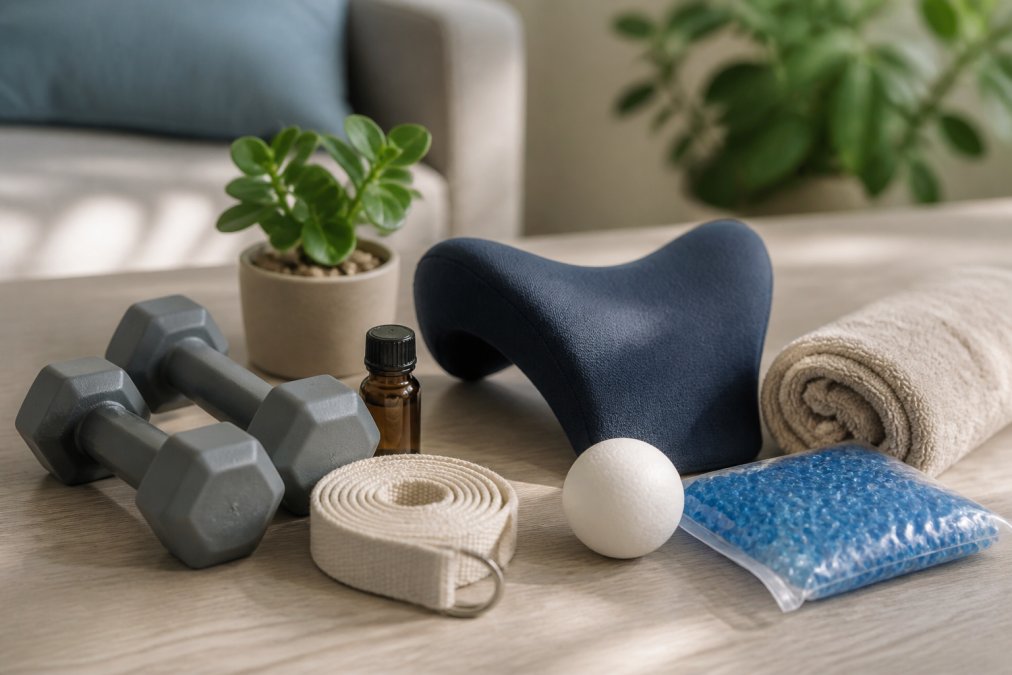
A gel pack that conforms to the neck works better than a flat ice bag, which leaves gaps against the curve of the cervical vertebrae. Always wrap the pack in a thin towel. Direct ice on bare skin can cause a cold burn in under ten minutes.

The common mistake is switching to heat too early. If your neck still feels hot, swollen, or throbbing, stay with cold.
2. Moist Heat for Muscle Tension and Stiffness
Moist heat is best once the acute phase passes, usually after 72 hours, because it relaxes muscle tension and increases blood flow. A warm, damp towel or moist-heat pad for 15 to 20 minutes, two or three times a day, loosens the stiffness that builds overnight.
Electric pads with a moist-heat setting hold a steady temperature longer than a reheated towel, and the auto-off feature matters when you're lying down. A dual-purpose gel wrap can be frozen or warmed, making alternation simple.
3. Gentle Stretching and Range of Motion Exercises
Gentle movement beats bed rest for whiplash. Keeping the neck completely still allows stiffness to set in, while controlled range of motion exercises maintain flexibility and prevent muscles from guarding. The key word is controlled, move through available range without provoking the injured tissue.
Phase 1: Days 1-3 (Acute)
During the acute phase, skip stretches and stick to isometric holds and pain-free range checks. The tissue is still inflamed, and end-range motion can re-irritate it.
- Chin tucks (isometric): Sit tall, draw your chin straight back as if making a double chin, hold 5 seconds, release. 10 reps, three times a day. This activates the deep neck flexors without loading injured ligaments.
- Shoulder rolls: Circle the shoulders backward 10 times, then forward 10 times. Keeps the upper back from locking up while the neck rests.
- Pain-free rotation check: Turn your head slowly left, then right, stopping well before pain. Note how far you get each day, your baseline, not a stretch.
Phase 2: Days 4-14 (Early Recovery)
Once the sharp, hot phase passes, add gentle end-range motion, slowly enough that you could stop mid-motion if pain appeared.
- Gentle rotation: Turn your head slowly left, then right, stopping at the first sign of tension, not pain. Hold 5 seconds at end range, return to center. 5 reps each side, twice daily.
- Side bend: Tilt your ear toward your shoulder, hold 10 seconds each side. Keep the opposite shoulder relaxed and down.
- Chin tucks with hold: Progress the isometric to a 10-second hold, 10 reps, twice daily.
Phase 3: Weeks 3-6 (Rebuilding)
Add resistance and posture work. This is where most home programs stall: people stop once pain fades, then re-injure the neck at a desk or in the car.
- Chin tucks against light resistance: Place two fingers on your chin and press gently as you tuck. 10 reps, twice daily.
- Scapular squeezes: Squeeze your shoulder blades together, hold 5 seconds, 10 reps. Offloads the cervical spine by strengthening the upper back.
- Wall angels: Stand with your back against a wall, arms in a goalpost position, and slide them up and down while keeping contact with the wall. 10 reps.
Contraindications: When NOT to Stretch
Do not perform any neck stretch if you have:
- Sharp pain, numbness, or tingling into the arm or hand, suggests nerve root irritation, and stretching can worsen it.
- Dizziness, visual changes, or nausea with head movement, can indicate a vascular or vestibular issue needing evaluation, not exercise.
- A known fracture, dislocation, or ligament tear, confirmed or suspected, this requires immobilization and physician's clearance before any movement.
- Severe headache that worsens with neck motion, stop and seek care.
Stop any movement that produces sharp pain, numbness, or tingling into the arm. A structured routine, like the free BackIntelligence whiplash recovery guide, helps you progress safely instead of guessing. Expect to do these two to three times daily for several weeks, and expect the range to come back gradually, not in a single session.
4. Anti-Inflammatory Support Through Diet and Herbal Teas
Food won't fix a ligament strain, but it can support the body's inflammatory response rather than fight it. Focus on fatty fish, leafy greens, berries, and turmeric, and cut back on alcohol and processed food while you heal.
Herbal teas are an easy addition. A blend with turmeric, ginger, and meadowsweet delivers anti-inflammatory compounds in a caffeine-free cup. Ginger is a traditional remedy for inflammation, and hydration supports soft tissue repair.
One honest limitation: tea works systemically, not on your neck specifically. Treat it as background support, not a substitute for the other remedies here.
5. Essential Oils for Muscle Relaxation and Pain Relief
Topical essential oils give a cooling sensation that can quiet a tense neck muscle long enough to relax. Peppermint and wintergreen are the workhorses, and a pre-mixed blend combines both with clove and helichrysum for topical use.
Dilute with a carrier oil such as jojoba or coconut oil, especially if your skin is sensitive, and never apply to broken skin or near the eyes. Massage into the muscle beside the spine, not directly over the cervical vertebrae.
National Center for Complementary and Integrative Health overview of essential oils notes that topical use is generally well tolerated but can cause skin irritation in some people. Test a small patch first.
Whiplash Recovery Timeline: What to Expect Week by Week
Most whiplash injuries improve substantially within two to three weeks, but full recovery can take three months or longer, and a minority develop chronic symptoms. The timeline below reflects the typical pattern, but your recovery depends on injury grade, age, prior neck issues, and how quickly you start appropriate movement.
| Phase | Timeframe | What's Happening | What Helps | Red Flags to Watch |
|---|---|---|---|---|
| Acute | Days 1-3 | Inflammation, muscle spasms, stiffness; pain often peaks on day 2 | Cold compress, rest, avoid strain, isometric chin tucks | Severe headache, numbness in arms, dizziness with movement |
| Early recovery | Days 4-14 | Pain peaks then eases, range of motion begins to return | Moist heat, gentle stretching, sleep positioning | Pain worsening instead of easing, new arm weakness |
| Rebuilding | Weeks 3-6 | Strength and posture correction; stiffness lingers in the morning | Therapeutic exercise, ergonomic fixes, scapular work | Symptoms that plateau for more than 2 weeks |
| Late recovery | Weeks 6-12+ | Residual stiffness, occasional flare-ups with fatigue or stress | Physical therapy, chiropractic care, graded activity | Radiating pain, chronic headaches, sleep disruption |
What a Normal Week Looks Like
- Week 1: Expect the worst pain and most limited range of motion. Sleep is often disrupted because lying flat can aggravate the neck. A supportive pillow that keeps the head neutral helps more than any single remedy.
- Week 2: Pain should be easing, even if stiffness remains. If pain is the same or worse by the end of week 2, get evaluated rather than wait it out.
- Weeks 3-4: Range of motion returns in most mild cases. This is when people feel better and stop their exercises, then re-injure the neck lifting a bag or turning too fast in the car.
- Weeks 5-8: Strength and endurance rebuild. Morning stiffness is normal; all-day stiffness is not.
- Weeks 8-12+: Most people are back to baseline. A minority continue to have flare-ups triggered by stress, poor sleep, or prolonged desk work.
The Psychological Side Most Articles Skip
Chronic whiplash pain disrupts sleep, concentration, and mood, and that stress can amplify the pain through a well-documented cycle: poor sleep lowers pain tolerance, which raises anxiety, which tightens the neck muscles, which worsens sleep. If you're weeks in and discouraged, that's a clinical issue worth raising, not a personal failing.
Two practical steps that help:
- Protect sleep first. A supportive pillow, a consistent bedtime, and limiting screens before bed do more for pain tolerance than most people expect.
- Set a function goal, not a pain goal. "I want to drive without checking my blind spot in fear" is more useful than "I want zero pain," because pain often lingers after function returns.
When the Timeline Stalls
If you are past week 2 and not improving, or past week 6 and still limited, get a professional exam. Persistent symptoms usually mean one of three things: an untreated ligament strain, nerve root irritation, or muscle guarding that has become a habit. Each has a different fix, and guessing at home tends to prolong all three.
Chiropractic Care for Auto Accident Injuries: When Home Remedies Aren't Enough
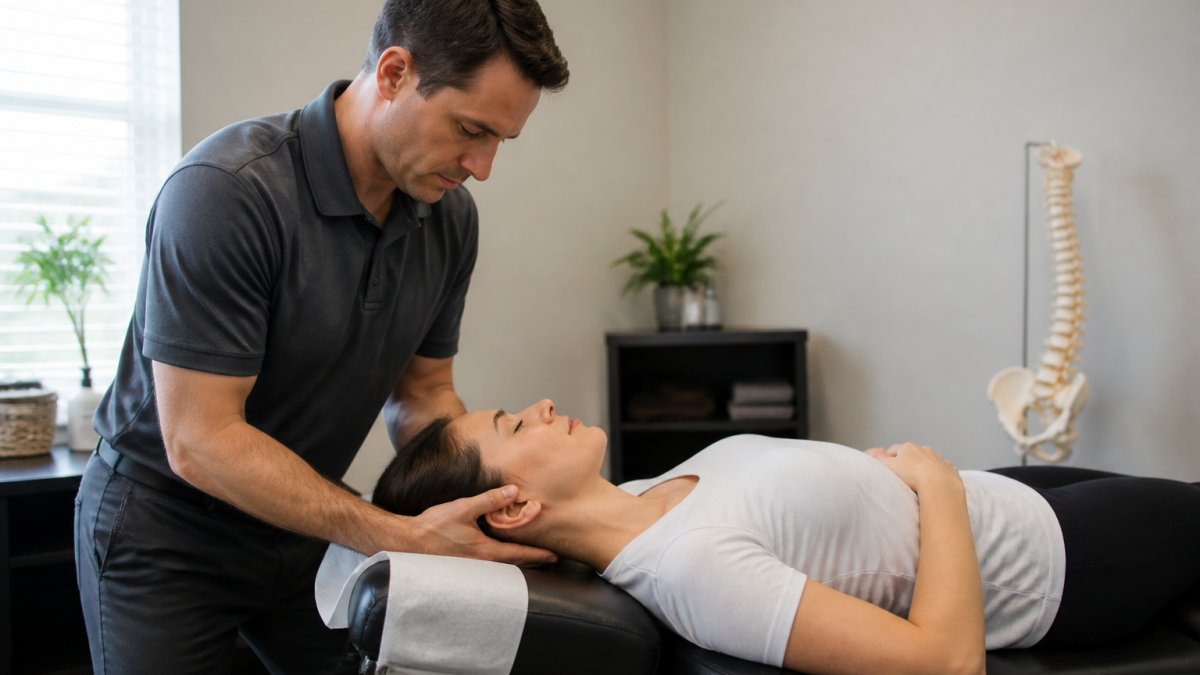
Home care handles mild cases well. It is not enough when symptoms persist past two weeks, when pain radiates into the arm, or when headaches and dizziness appear, because those point to nerve irritation or a ligament strain that needs assessment.
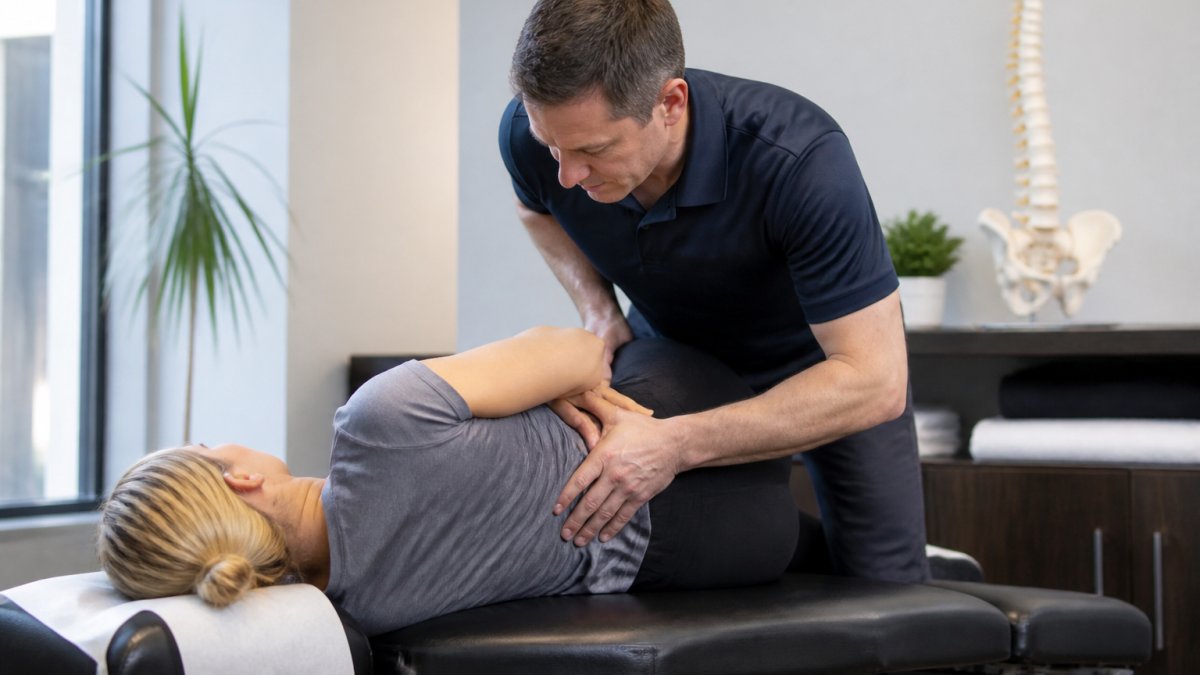
This is where chiropractic care for auto accident injuries comes in. A clinician can evaluate the cervical spine, identify which segments lost range of motion, and build a recovery protocol combining spinal adjustment with physical therapy and posture correction. For whiplash cases, Natural Healing Arts Medical, led by Dr. David Zamikoff, provides this comprehensive evaluation and treatment, accepts most health insurance and Medicare, and offers flexible payment plans.
If you're wondering how to treat whiplash symptoms that won't settle, the answer is usually a professional exam, not more time on the couch. To schedule an appointment, contact Natural Healing Arts Medical and get a recovery plan built around your specific injury.
Whiplash that lingers past a couple of weeks rarely resolves on its own, and the longer nerve irritation and muscle guarding go unaddressed, the harder they are to unwind. Natural Healing Arts Medical offers comprehensive chiropractic care for whiplash and soft tissue injuries, with physical therapy built into the program, insurance and Medicare acceptance, and flexible payment plans. Get started with Natural Healing Arts Medical and restore your range of motion with a recovery plan tailored to your injury.
Frequently Asked Questions
How long does it take for your neck to heal from whiplash?
Most people with mild to moderate whiplash notice improvement within 2 to 3 weeks, though full whiplash recovery can take 6 to 12 weeks. Factors like the severity of the soft tissue injury, your age, and how quickly you start gentle movement all affect the timeline. If pain lasts beyond 3 months, it's considered chronic and you should see a chiropractor or physician for a formal evaluation.
What is the best sleeping position for whiplash?
Sleep on your back or side with a supportive pillow that keeps your neck in a neutral position. Avoid sleeping on your stomach, which forces your neck to twist and can worsen muscle tension. A contour pillow or rolled towel under the neck can provide ergonomic support. If you wake up stiffer than when you went to bed, your pillow setup likely needs adjusting.
Should you massage a whiplash neck?
Gentle massage can help with muscle tension and blood flow once the acute phase has passed, typically after 48 to 72 hours. Avoid deep tissue work or aggressive massage right after the injury, as it can aggravate inflammation. A light self-massage with a carrier oil or a professional massage focused on the surrounding shoulder muscles is safer than pressing directly on a painful cervical vertebra.
When should you see a chiropractor for whiplash?
See a chiropractor if pain persists beyond a few days, if you have limited range of motion, or if you notice headaches, dizziness, or nerve irritation symptoms like tingling in your arms. Chiropractic care for auto accident injuries often combines spinal adjustment, therapeutic exercise, and soft tissue work. Early evaluation helps prevent chronic symptoms and supports a faster recovery process.
Are there any contraindications for home remedies for whiplash?
Yes. Do not use heat within the first 48 hours, as it can increase inflammation. Skip essential oils on broken skin or if you have sensitive skin without a carrier oil. Avoid any stretching that causes sharp pain or numbness. If you have a suspected fracture, disc injury, or severe nerve symptoms, skip home treatment entirely and get evaluated by a qualified professional first.