 listicle
Natural Supplements for Back Inflammation: A 2026 Guide
Table of Contents
- Natural Supplements for Back Inflammation: What Works
- Turmeric Curcumin: The Anti-Inflammatory Powerhouse
- Omega-3 Fatty Acids and Spinal Health
- Boswellia Serrata, Ginger, and Willow Bark for Pain Relief
- Vitamin D, Magnesium, and Bone Strength
- Devil's Claw and Capsaicin Topical Cream
- FDA Regulation of Dietary Supplements and Quality Standards
- Safety of Herbal Supplements for Pain and Drug Interactions
- Getting Professional Guidance for Your Back Inflammation
- Frequently Asked Questions
Last Updated: October 2, 2026
Natural Supplements for Back Inflammation: What Works
Back inflammation affects millions seeking relief without surgery or long-term medication. Many turn to natural supplements back inflammation as a complementary approach to managing their condition. At Natural Healing Arts Medical in Bradenton, we help patients explore both conventional and natural pain management strategies.
Turmeric Curcumin: The Anti-Inflammatory Powerhouse
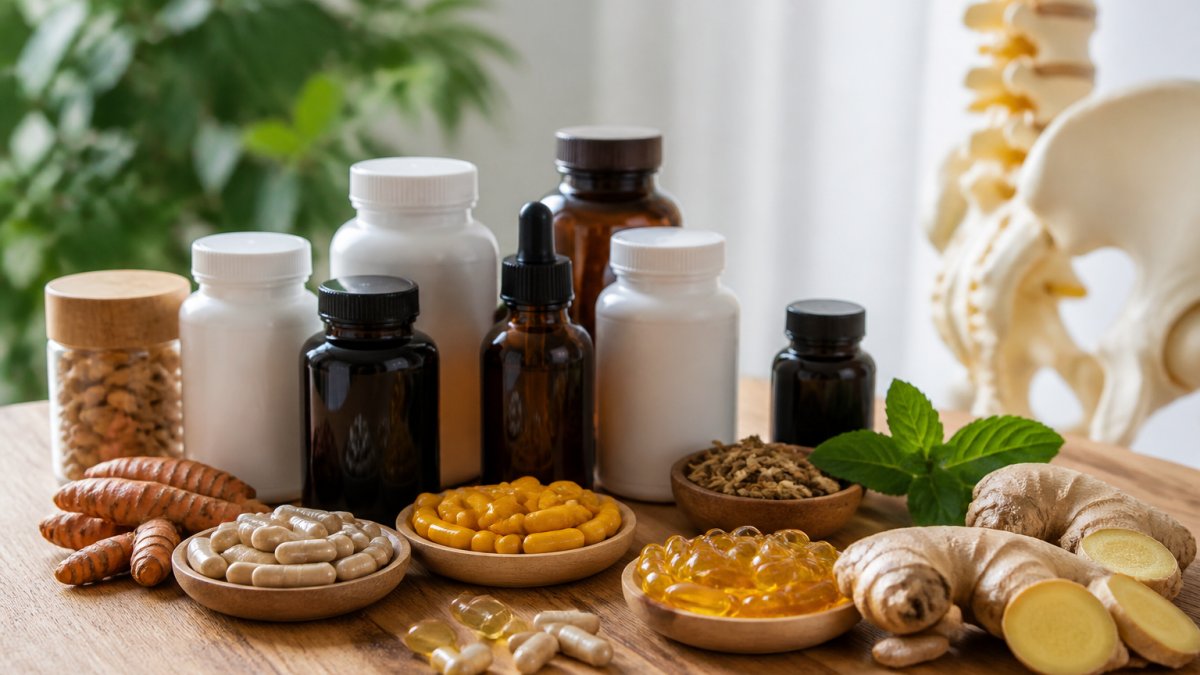
Turmeric curcumin is among the most researched natural supplements for managing back inflammation. Curcumin targets inflammatory pathways at the cellular level, addressing inflammation differently than simple pain relievers.
How Curcumin Reduces Systemic Inflammation
Curcumin inhibits NF-kappa B, a protein complex that triggers inflammation. It also acts as an antioxidant, neutralizing oxidative stress that accompanies chronic pain. This dual action addresses inflammation at its source and protects spinal tissues from further damage.
Bioavailability and Absorption Challenges
Curcumin has poor bioavailability, your body absorbs only about 5% without enhancement. Quality supplements combine curcumin with black pepper extract (piperine), which increases absorption by up to 2,000%. When shopping, look for supplements listing curcuminoid content and piperine inclusion. Standard turmeric powder won't deliver therapeutic inflammation reduction.
Omega-3 Fatty Acids and Spinal Health
Omega-3 fatty acids rebalance inflammatory response at a fundamental level. EPA and DHA get incorporated into cell membranes, maintaining intervertebral disc integrity and reducing joint stiffness. Evidence supports 1,000-3,000 mg daily for inflammation management. Fish oil and algae-based supplements both work. Note: omega-3s can act as mild blood thinners, so discuss supplementation with your healthcare provider if you're on anticoagulant medications.
Boswellia Serrata, Ginger, and Willow Bark for Pain Relief
These three herbal extracts target inflammation through different mechanisms, making them useful either individually or in combination.
Boswellia's Targeted Enzyme Inhibition
Boswellia serrata contains boswellic acids that specifically inhibit the 5-LOX enzyme, which produces inflammatory molecules called leukotrienes. This targeted action makes Boswellia particularly effective for joint and back inflammation without affecting broader immune function.
Ginger and Willow Bark as Natural Analgesics
Ginger root contains gingerols and shogaols, compounds that reduce oxidative stress and provide both anti-inflammatory and analgesic (pain-relieving) effects. Many people find ginger especially helpful for acute inflammation flare-ups. A typical dose is 1,000-2,000 mg daily of standardized extract.
Vitamin D, Magnesium, and Bone Strength
Back inflammation often worsens when nutritional deficiencies compound the problem. Vitamin D and magnesium address two common gaps that directly affect spinal health, but supplementing them effectively requires understanding your baseline status, absorption limitations, and realistic timelines for relief.
Vitamin D: Testing Before Supplementing
Vitamin D regulates calcium absorption, immune system function, and inflammatory response. People with serum vitamin D levels below 30 ng/mL (75 nmol/L) often experience worse musculoskeletal pain, slower recovery from injury, and increased inflammatory markers. The connection is direct: vitamin D deficiency impairs your immune system's ability to resolve inflammation, prolonging back pain.
Magnesium: Form Selection and Absorption
Magnesium supports muscle relaxation, nerve function, and pain signal regulation, all critical for back pain relief. The challenge: magnesium has notoriously poor absorption, and the form you choose dramatically affects how much your body actually uses.
The Calcium-Magnesium Timing Problem
If you're supplementing both magnesium and calcium (common for bone health), absorption interference is real. Calcium can block magnesium absorption in your intestines, and vice versa. Space them 2-3 hours apart if taking separate supplements, or choose a formula with a proper 2:1 calcium-to-magnesium ratio designed to minimize competition for absorption.
Timeline for Results
Unlike curcumin or ginger, which can reduce acute inflammation within 2-4 weeks, vitamin D and magnesium work on a longer timeline. Expect 6-8 weeks of consistent supplementation before noticing meaningful improvements in pain levels, muscle stiffness, or recovery speed. This is because they're correcting underlying nutritional deficiencies, not blocking a specific inflammatory pathway.
Devil's Claw and Capsaicin Topical Cream
Devil's Claw contains harpagosides that reduce inflammation in joints and connective tissue; typical dosing is 1,500-3,000 mg daily of standardized extract. Caution: it can interact with heart and blood pressure medications. Capsaicin topical cream depletes substance P, a pain-signal neurotransmitter, providing localized relief without systemic effects.
FDA Regulation of Dietary Supplements and Quality Standards
Understanding how supplements are regulated protects you from wasting money on ineffective products or, worse, taking something contaminated or mislabeled. The regulatory landscape is more complex than most people realize, and knowing how to navigate it is essential for back inflammation management.
How the FDA Actually Oversees Supplements
The FDA classifies supplements differently from drugs. Supplements don't require pre-market approval before hitting the market, but manufacturers must ensure products are safe and that label claims are truthful and not misleading. This creates a significant gap: many supplements reach the market with minimal quality oversight, and the FDA only investigates after problems emerge.
Third-Party Testing Organizations and What They Verify
Three organizations dominate third-party supplement testing: NSF International (tests for label accuracy, contaminants, and banned substances), USP (focuses on potency, purity, and consistency; considered the gold standard), and ConsumerLab (publishes detailed reports publicly). When shopping, look for certification seals from any of these three on the bottle or manufacturer's website.
Reading Supplement Labels: Standardized Extracts vs. Whole Plant
Standardized extracts are processed to contain a guaranteed percentage of active compounds. A bottle labeled "Boswellia serrata extract, 65% boswellic acids" tells you exactly what you're getting: the extract has been tested to confirm it contains at least 65% of the active anti-inflammatory compounds. This standardization ensures consistency between batches and gives you confidence in dosing.
Common Contaminants and What to Avoid
Third-party testing protects against several real risks:
Heavy metals (lead, cadmium, arsenic) accumulate in plants from contaminated soil; NSF and USP testing screen for these. Microbial pathogens (E. coli, salmonella, mold) can contaminate during manufacturing; third-party testing identifies these before products reach consumers. Undisclosed pharmaceutical ingredients are occasionally found in supplements marketed as "natural," particularly imports; NSF screens for these adulterants. Allergen cross-contamination can trigger reactions; reputable manufacturers disclose allergen risks and use separate production lines.
Practical Shopping Strategy
When evaluating a supplement for back inflammation: (1) Check for NSF, USP, or ConsumerLab seals; (2) Verify standardization (e.g., "95% curcuminoids" for curcumin, "60% boswellic acids" for Boswellia); (3) Check sourcing, ingredients from countries with strict environmental regulations carry lower contamination risk; (4) Review inactive ingredients and avoid excessive fillers; (5) Verify dose matches research (e.g., curcumin should be at least 500 mg daily with piperine).
Safety of Herbal Supplements for Pain and Drug Interactions
Natural doesn't automatically mean safe. Many herbal supplements thin blood (ginger, willow bark), which matters if you're on anticoagulants. Devil's Claw and Boswellia carry interaction risks with cardiovascular drugs. Before starting any supplement regimen, discuss it with your healthcare provider or pharmacist. Pregnancy and nursing require extra caution.
Getting Professional Guidance for Your Back Inflammation
Natural supplements work best alongside professional care. At Natural Healing Arts Medical, we help patients understand which supplements complement chiropractic treatment and physical therapy. Combining professional treatment, targeted supplementation, and lifestyle modifications produces better outcomes than any single strategy. If you're dealing with persistent back inflammation, professional evaluation can identify what's driving it and recommend supplements that fit your situation.
Frequently Asked Questions
How can I reduce inflammation in my back naturally with supplements?
Natural supplements for back inflammation work through different mechanisms: turmeric curcumin targets inflammatory pathways, omega-3 fatty acids modulate the body's inflammatory response, and magnesium supports muscle relaxation. Most people combine 2-3 supplements rather than relying on one alone. Results typically appear within 4-6 weeks of consistent use. Pairing supplements with an anti-inflammatory diet and professional chiropractic care produces faster outcomes than supplements alone.
What is the strongest natural anti-inflammatory supplement for chronic low back pain?
Boswellia serrata shows strong clinical evidence for targeting inflammatory enzymes specific to joint and back pain. However, 'strongest' depends on your situation: turmeric curcumin works well for systemic inflammation, omega-3s support intervertebral disc health, and willow bark acts quickly for acute flare-ups. A qualified healthcare provider can recommend which supplement fits your specific condition. Bioavailability matters, curcumin paired with black pepper extract, for example, absorbs far better than curcumin alone.
Are there risks to taking natural supplements for back pain?
Yes. Herbal supplements can interact with medications: boswellia may interact with anti-inflammatory drugs, willow bark acts like aspirin and shouldn't be combined with blood thinners, and ginger has mild blood-thinning properties. Devil's claw can affect heart and blood pressure medications. Before starting any supplement, disclose your current medications to your healthcare provider. Third-party testing ensures quality, but FDA regulation of dietary supplements is less stringent than for pharmaceuticals, so choosing tested brands matters.
How long does it take for anti-inflammatory supplements to work on back pain?
Timeline varies by supplement and individual. Willow bark and capsaicin topical cream provide relief within hours to days. Turmeric, boswellia, and omega-3s typically require 4-6 weeks of consistent use before noticeable reduction in inflammation and pain. Vitamin D and magnesium work gradually over weeks to months, supporting underlying bone and muscle health rather than acute pain relief. Combining supplements with professional chiropractic care, physical therapy, and dietary changes accelerates results.
What should I look for when choosing a natural supplement for back inflammation?
Look for third-party testing certifications from organizations that verify purity and potency. For turmeric, choose formulations with black pepper extract to enhance bioavailability. Check standardized extract percentages, boswellia should contain specified boswellic acid levels. Avoid products making absolute cure claims. Consult your healthcare provider about dosage and potential interactions with your medications. Natural Healing Arts Medical can discuss which supplements complement your chiropractic care plan.
Schedule an appointment with Natural Healing Arts Medical to discuss which natural supplements for managing back inflammation fit your specific situation. We'll evaluate your condition, review your current medications, and create a treatment plan combining professional chiropractic care with evidence-based supplementation for faster pain relief and lasting mobility restoration.