 blog
Osteopathic vs Chiropractic Treatment for Joint Pain
Table of Contents
- Understanding Osteopathy and Chiropractic Care
- Key Differences Between Osteopaths and Chiropractors
- Osteopathic Manipulative Treatment for Joint Pain
- Chiropractic Adjustment for Joint Pain
- Risks of Spinal Manipulation and Safety Considerations
- Costs, Insurance, and Access
- Choosing the Right Treatment for Your Joint Pain
- Frequently Asked Questions
Last Updated: October 12, 2026
Understanding Osteopathy and Chiropractic Care
When you're dealing with joint pain, the choice between osteopathic and chiropractic treatment comes down to what each approach actually does. Both focus on musculoskeletal health but differ in philosophy, training, and how they address pain. At Natural Healing Arts Medical, we help patients make this decision daily, and the right choice depends on your situation.
The distinction between osteopathic vs chiropractic treatment for joint pain matters because it shapes how practitioners assess you and what techniques they use.
What Osteopathy Is
Osteopathy is manual therapy grounded in the principle that structure and function are interconnected. Osteopaths believe restrictions in joints, muscles, or connective tissue can disrupt blood flow, nerve function, and mobility, so they restore movement throughout the body rather than treating pain in isolation.
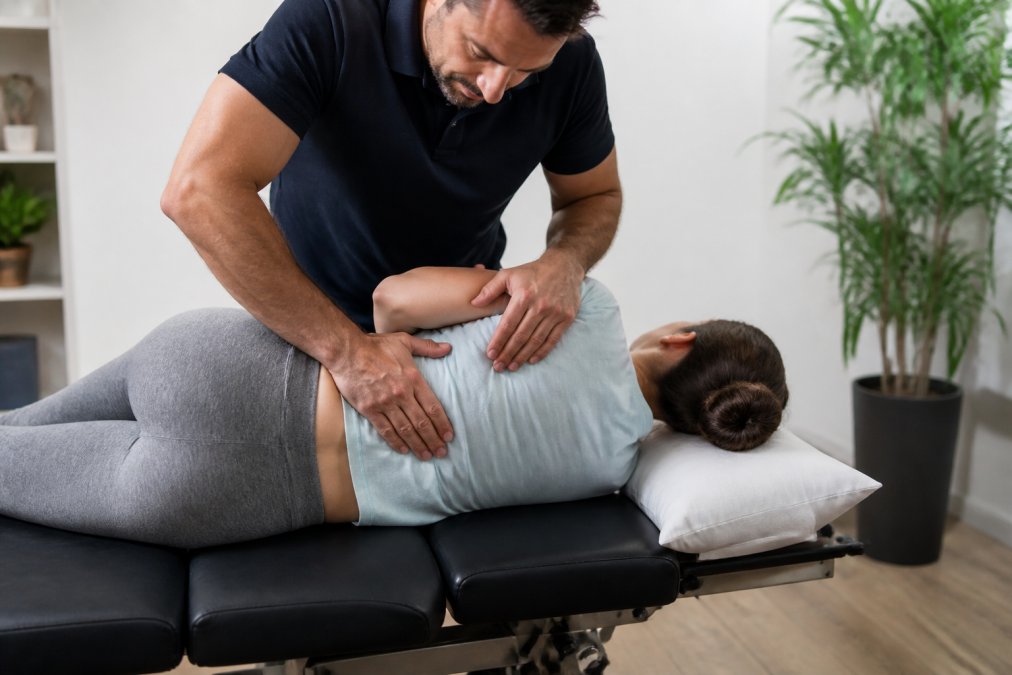
Osteopathic manipulative treatment (OMT) uses hands-on techniques to release tension, improve joint mobility, and enhance circulation. An osteopath may work far from where you feel pain, addressing the structural imbalances they believe caused it.
What Chiropractic Care Is
Chiropractic care centers on the relationship between your spine and overall function. Chiropractors believe misalignments (subluxations) can interfere with nerve function and cause pain. Their primary tool is spinal manipulation, though many also use soft tissue therapy and exercise prescription.
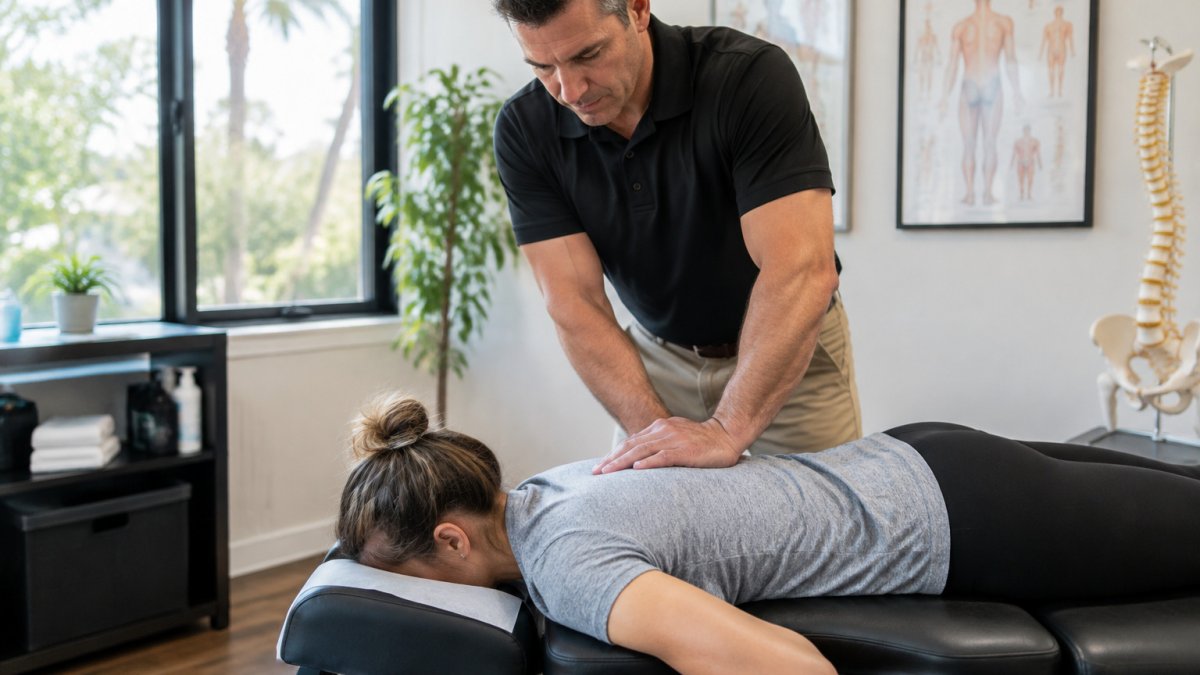
Chiropractic adjustment applies controlled force to joints, usually the spine, to restore alignment and movement, relieving pain and improving mobility in the treated area.
Key Differences Between Osteopaths and Chiropractors
Understanding osteopathic vs chiropractic treatment for joint pain means looking at how these practitioners train and what they believe drives pain.
Training and Credentials
Doctors of Osteopathy (DO) complete four years of medical school like MDs, then add training in osteopathic manipulative treatment (Osteopathic Medical Education and Accreditation). Many pursue residencies, and they can prescribe medication and perform surgery.
Chiropractors earn a Doctor of Chiropractic (DC) degree, typically four years focused on spinal health, anatomy, and manipulation techniques, with emphasis on hands-on adjustment and biomechanics.
Osteopaths often work in conventional medical settings, while chiropractors typically run independent practices. Both are regulated, but their scope and integration with mainstream medicine vary.
Treatment Philosophy
The osteopathic philosophy views the body as an integrated system where structure and function are inseparable.
Chiropractic philosophy emphasizes spinal alignment as fundamental to health.
These philosophies lead to different strategies: an osteopath might address hip and ankle mobility to reduce stress on a painful knee, while a chiropractor focuses directly on the knee joint, its alignment, and supporting muscles.
Osteopathic Manipulative Treatment for Joint Pain
Osteopathic manipulative treatment uses hands-on techniques to improve mobility and function.
The goal is to identify restrictions and restore normal movement patterns, releasing tension around the joint, improving circulation, and preventing compensation patterns that worsen pain.
Osteopathic treatment often addresses pain more gradually, focusing on overall function rather than immediate relief. Sessions last 30 to 60 minutes, and plans typically involve multiple visits as movement patterns normalize.
Chiropractic Adjustment for Joint Pain
Chiropractic adjustment applies controlled force to restore alignment and movement, most commonly in the spine but also in knees, shoulders, and ankles.
For joint pain, a chiropractor assesses alignment, identifies restrictions, and adjusts to restore joint mechanics, often combining this with soft tissue therapy, stretching, and strengthening for long-term recovery.
Chiropractic treatment often produces quick relief. Sessions last 15 to 30 minutes, though initial appointments are longer for assessment and X-rays if needed. Many patients see improvement within a few visits.
Risks of Spinal Manipulation and Safety Considerations
Both osteopathic and chiropractic treatment rely on hands-on force applied to joints and soft tissue, so the safety conversation is similar, but the specifics matter. Here is what the evidence and clinical guidance say.
Common, Expected Aftereffects
Mild soreness, stiffness, or aching in the treated area for 24 to 48 hours is the most reported effect of both osteopathic manipulative treatment (OMT) and chiropractic adjustment. Some also report temporary fatigue or mild headache after neck manipulation. These are self-limiting and respond to ice, gentle movement, and normal activity. If soreness lasts more than a few days or worsens, call the practitioner.
Rare but Serious Risks
The most discussed serious risk of cervical (neck) manipulation is vertebral artery dissection, a tear in an artery supplying the back of the brain.
Other uncommon risks include rib fracture with low bone density, disc injury or cauda equina syndrome from forceful lumbar manipulation (extremely rare), and soft-tissue strain. Osteopathic techniques range from gentle (cranial, myofascial release) to direct (high-velocity low-amplitude thrust), so risk depends on the technique used, not just the profession.
Who Should Not Receive Manual Treatment Without Medical Clearance
A qualified practitioner screens for these before treatment. Conditions that generally require medical assessment first include:
- Osteoporosis, osteopenia, or long-term corticosteroid use (fracture risk)
- Known vertebral artery disease, prior dissection, or connective tissue disorders such as Marfan syndrome or Ehlers-Danlos syndrome
- Active cancer involving the spine or bone, or unexplained weight loss with new back pain
- Spinal cord compression, cauda equina symptoms (saddle numbness, bowel or bladder changes, progressive leg weakness), or significant disc herniation with neurologic deficits
- Recent fracture, joint instability, or advanced inflammatory arthritis with atlantoaxial involvement (common in rheumatoid arthritis)
- Anticoagulant therapy or bleeding disorders
- Severe aortic aneurysm or known abdominal aortic pathology (relevant to some osteopathic techniques)
Red Flags That Mean Neither Provider Should Be Your First Stop
Manual therapy is not the right first call when joint pain comes with any of the following. These warrant urgent medical evaluation:
- Fever, chills, or unexplained night sweats with joint pain
- Joint that is hot, swollen, red, and acutely painful (possible infection or gout)
- Sudden inability to bear weight after trauma
- New bowel or bladder dysfunction, saddle anesthesia, or rapidly progressing weakness
- Night pain that wakes you from sleep and is not relieved by position change
- History of cancer with new focal bone pain
Screening and Informed Consent
Before your first treatment, expect a full medical history, questions about medications and prior imaging, and a physical and neurologic exam. Ask directly: What technique will you use? What are the alternatives? What should I watch for afterward?
Consumer information on chiropractic and osteopathic manipulation safety

Costs, Insurance, and Access
Cost depends on location, practitioner experience, and your condition. Both types of care are often covered by insurance, though coverage varies.
If paying out of pocket, ask about session costs upfront and whether package pricing or payment plans exist.
Access varies by location. Chiropractors are widely available, while osteopathic practitioners may be less common. In some areas, osteopaths work primarily in hospitals or clinics rather than independent practices, affecting scheduling ease.
Choosing the Right Treatment for Your Joint Pain
Most comparison articles say to 'consider your preferences.' Here is a practical, symptom-based way to think through osteopathic vs chiropractic treatment for joint pain, including when neither should be your first call.
Step 1: Rule Out the Wrong First Stop
Before choosing between an osteopath and a chiropractor, confirm the pain is musculoskeletal. See a physician or urgent care for: a hot, swollen, red joint; fever with joint pain; sudden inability to bear weight after injury; night pain that wakes you; unexplained weight loss; or new neurologic symptoms. Manual therapy is not the right first stop for these.
Step 2: Match the Pattern to the Approach
| Your pattern | Often a better fit | Why |
|---|---|---|
| Acute, single-joint pain after a specific movement or strain, no trauma | Chiropractic | Targeted adjustment and soft-tissue work on the involved joint and its supporting muscles |
| Chronic, multi-joint pain with obvious compensation (e.g., knee pain plus hip and low back stiffness) | Osteopathic | Whole-body assessment of the kinetic chain; OMT addresses restrictions away from the primary site |
| Neck or mid-back pain with headache | Either, with caution | Both use cervical techniques; ask about technique selection and screen for vascular risk factors |
| Knee osteoarthritis | Either, plus medical care | Manual therapy can help mobility and pain, but guideline care includes exercise, weight management, and sometimes injections or surgery referral |
| Low back pain lasting more than 4-6 weeks without red flags | Either | Both have modest evidence for short-term pain and function improvement; combine with active exercise |
| Joint pain with inflammatory features (morning stiffness over an hour, symmetric small-joint swelling) | Neither first | See a rheumatologist; manual therapy is adjunctive at best |
Step 3: Ask These Questions Before Booking
- What is your training and licensure? (DO vs DC matters for scope, DOs can prescribe and order imaging; DCs generally cannot prescribe in most states.)
- What techniques do you plan to use on my specific joint, and what are the alternatives?
- How many visits do you typically expect before we reassess, and what functional change are we measuring?
- What is your fee per visit, and do you accept my insurance or Medicare?
- What would make you refer me to another provider?
Step 4: Set a Reassessment Point
Expect measurable improvement in function, not just pain scores, within 4 to 6 visits. If you are not improving or pain worsens, stop and reassess with your primary care physician rather than continuing indefinitely. Neither approach is meant as indefinite maintenance for a problem that is not responding.
Step 5: Consider Combining or Sequencing
Some patients do best with chiropractic adjustment for a specific joint plus osteopathic whole-body work, or either approach combined with physical therapy. Tell each practitioner what the other is doing so plans do not conflict, and coordinate with any provider managing injections, surgery, or medication.
At Natural Healing Arts Medical, Dr. David Zamikoff and our team specialize in comprehensive chiropractic care for joint pain, disc injuries, and mobility issues. We also offer surgery-free treatment for knee osteoarthritis using viscosupplementation with Hyalgan, combined with physical therapy for long-lasting pain relief. Whether you're exploring chiropractic adjustment or other options, we're here to help you understand what makes sense for your situation.
Frequently Asked Questions
Is a chiropractor or osteopath better for joint pain?
Neither is universally better, the choice depends on your specific condition and treatment preference. Chiropractors focus on spinal alignment and joint adjustments, while osteopaths take a whole-body approach to restore mobility and function. For isolated joint pain, a chiropractor's targeted adjustment may provide faster relief. For complex pain patterns or if you prefer a holistic assessment, an osteopath's approach may suit you better. Consulting with a qualified practitioner who listens to your concerns and explains their treatment plan helps ensure you get the right fit.
What is the difference between osteopathic manipulative treatment and chiropractic adjustment?
Osteopathic manipulative treatment (OMT) uses gentle, sustained pressure and movement to release tension in muscles and joints throughout the body, addressing the underlying cause of pain. Chiropractic adjustments are more forceful, quick movements targeting specific joint misalignments, particularly in the spine. OMT typically feels gentler and takes longer, while adjustments produce an audible 'crack' and provide immediate relief for many patients. Both aim to restore movement and reduce pain, but the techniques and philosophy differ significantly.
How do I know if chiropractic care will work better than physical therapy I've already tried?
Chiropractic care and physical therapy address pain differently. Physical therapy builds strength and corrects movement patterns over time, while chiropractic adjustments restore joint mobility and alignment directly. If your pain stems from joint restriction or misalignment rather than muscle weakness, chiropractic may offer faster relief. A qualified chiropractor will assess your specific condition, review your previous treatment, and explain how their approach differs from what you've already done. If they listen to your concerns and customize their plan rather than repeating the same adjustment every visit, you're more likely to see results.
Are spinal manipulation and joint adjustments safe?
Spinal manipulation and joint adjustments are generally safe when performed by a licensed, qualified practitioner. However, risks exist, particularly for people with certain conditions like osteoporosis, disc herniation, or spinal cord compression. Serious complications are rare but can include nerve damage or stroke (extremely rare with neck manipulation). Before treatment, inform your practitioner of any existing conditions, injuries, or medications. A reputable practitioner will screen for contraindications, explain potential risks, and discuss whether manipulation is appropriate for your specific situation before proceeding.
EXTERNAL LINKS USED:
- American Osteopathic Association clinical guidelines
- International Chiropractors Association standards of practice
- National Center for Complementary and Integrative Health on spinal manipulation