 how-to
How to Use Acupuncture for Herniated Disc Pain Relief
Last Updated: October 26, 2026
Quick Summary
Acupuncture herniated disc treatment may help manage pain and inflammation through pain modulation and muscle relaxation, with results typically appearing within 4-6 sessions. However, acupuncture does not repair or reposition the disc itself and works best combined with physical therapy as part of a broader conservative care plan.
- Results typically appear within 4-6 acupuncture sessions, though responses vary widely between individuals.
- Acupuncture targets pain and inflammation, not disc structure; natural disc reabsorption occurs over weeks to months independently.
- A typical treatment plan for herniated discs combines weekly acupuncture for 4-8 weeks with concurrent physical therapy and activity modification.
- Seek immediate medical evaluation for progressive leg weakness, loss of bowel or bladder control, or saddle numbness, as these may signal cauda equina syndrome.
- Common side effects are minor and include bruising, minor bleeding, and temporary soreness at needle sites.
Table of Contents
- Can Acupuncture Help Relieve Pain from a Herniated Disc
- How Acupuncture Works for Pain Relief
- Acupuncture for Lower Back Pain and Sciatica
- Herniated Disc Treatment Without Surgery
- L5-S1 Bulging Disc Treatment and Acupuncture
- Acupuncture Benefits and Risks for Disc Conditions
- Combining Acupuncture with Chiropractic Care and Physical Therapy
- Schedule Your Acupuncture Consultation
- Frequently Asked Questions
Can Acupuncture Help Relieve Pain from a Herniated Disc
Acupuncture herniated disc pain relief is a common question for people with persistent back pain. The short answer: acupuncture may help manage pain and inflammation.
A herniated disc occurs when a spinal disc's soft inner material pushes through the outer layer, irritating nearby nerves and causing radiating pain, weakness, or numbness (ncbi.nlm.nih.gov).
What to expect:
- Acupuncture targets pain and inflammation, not disc structure
- Results typically appear within 4-6 sessions
- Works best combined with physical therapy or chiropractic care
- Some people experience immediate relief; others need several weeks
- It's a complementary treatment, not a replacement for medical evaluation
How Acupuncture Works for Pain Relief
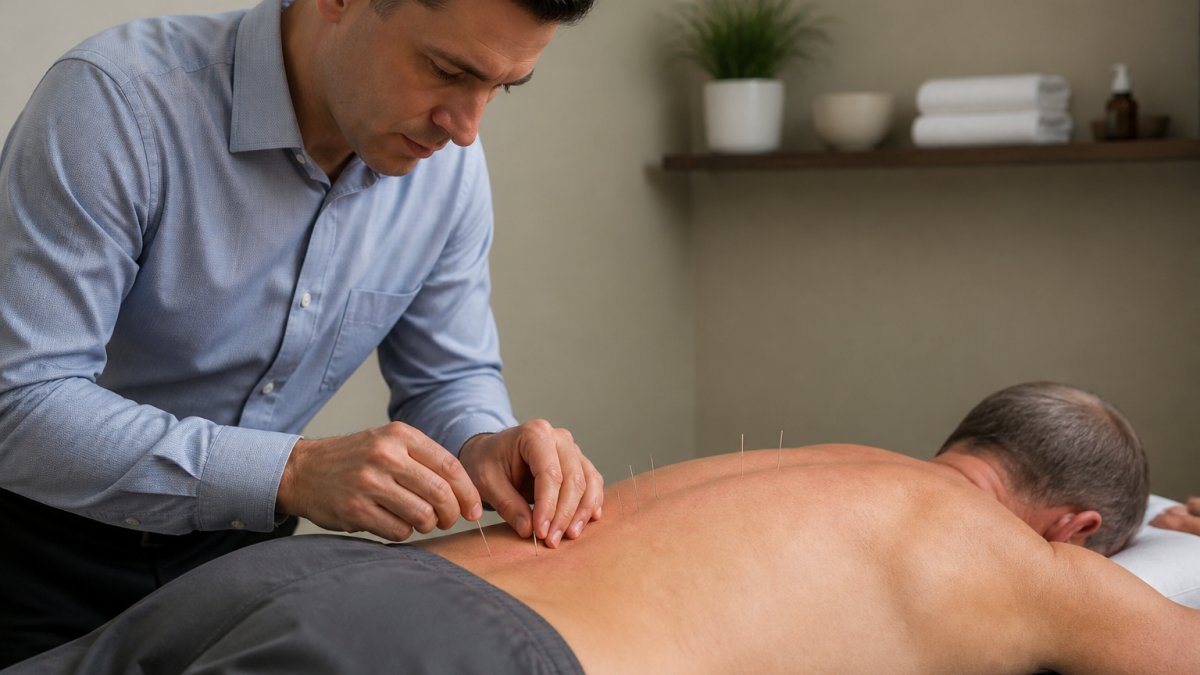
How the process unfolds:
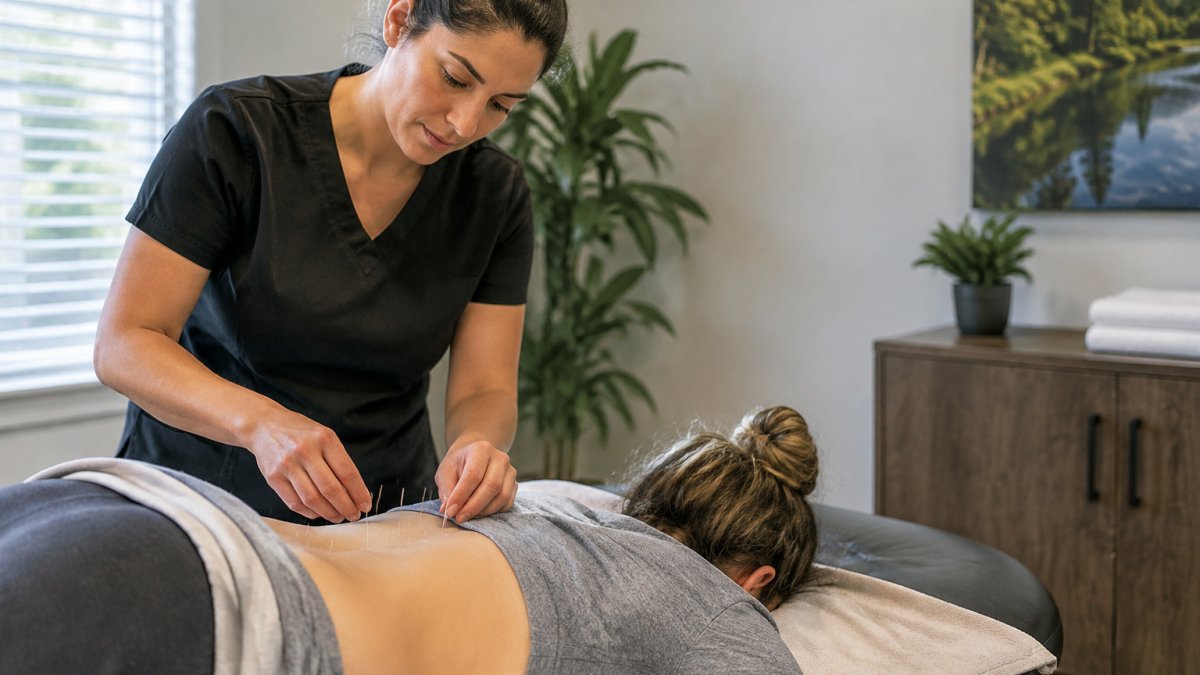
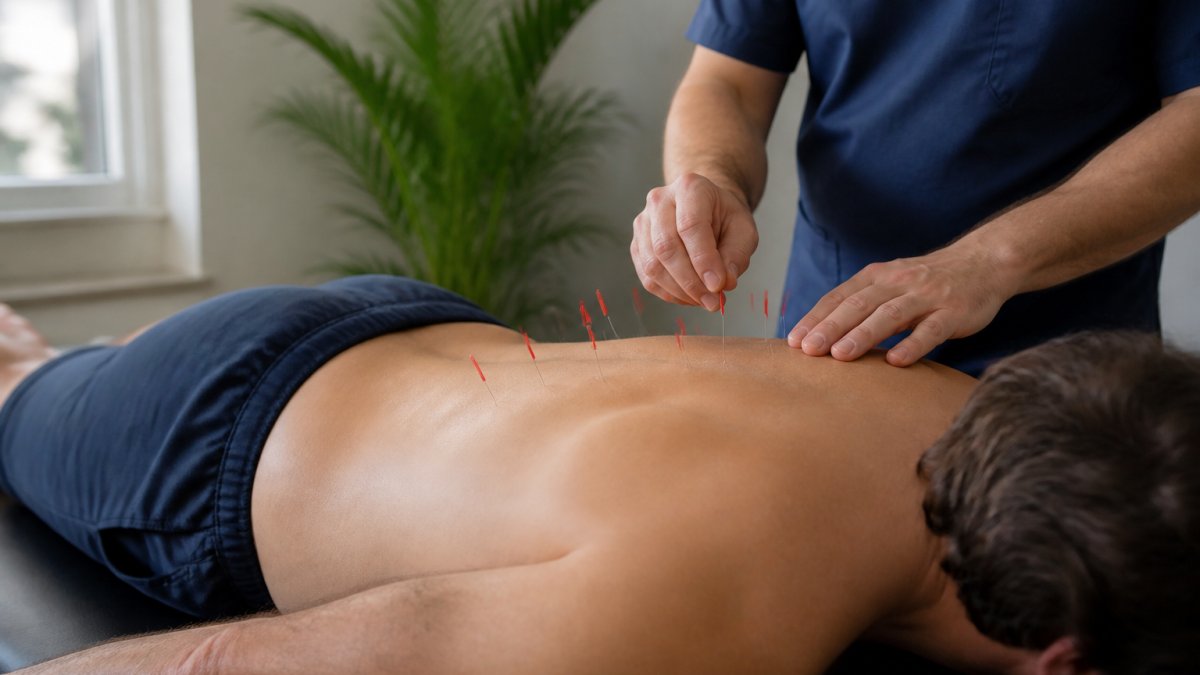
- Needles stimulate specific points related to pain pathways
- Your nervous system responds by releasing pain-blocking chemicals
- Inflammation decreases as circulation improves
- Muscle tension eases, restoring some mobility
- Most patients feel effects within the first few sessions
Acupuncture for Lower Back Pain and Sciatica
Lower back pain from herniated discs frequently radiates down the leg as sciatica, caused when disc material presses on the sciatic nerve, producing sharp pain, tingling, or numbness from your lower back through your buttock and down your leg (Diagnosis and treatment of sciatica).
- Reducing inflammation pressing on the nerve
- Relaxing the piriformis muscle (which can trap the sciatic nerve)
- Decreasing pain signal transmission to your brain
- Improving blood flow to the affected area
One important note: if your sciatica involves severe weakness, loss of bowel or bladder control, or progressive numbness, seek immediate medical evaluation. These can signal cauda equina syndrome, a surgical emergency that acupuncture cannot address.
Herniated Disc Treatment Without Surgery
Conservative herniated disc treatment includes several complementary therapies working together:
Non-surgical approach benefits:
Explore more about managing back pain at home without surgery to understand the full range of options available to you.
L5-S1 Bulging Disc Treatment and Acupuncture
The L5-S1 disc sits between your lowest lumbar vertebra and your sacrum. Bulging or herniated discs here cause lower back pain, often radiating into the buttocks and down one leg, sometimes with foot numbness.
Treatment typically involves:
- Weekly acupuncture sessions for 4-8 weeks
- Concurrent physical therapy focusing on core stability
- Activity modification to reduce disc stress
- Gradual return to normal movement patterns
Watch out: if you develop progressive weakness in your legs, loss of sensation in your groin or genitals, or loss of bladder or bowel control, these are signs of cauda equina syndrome. Seek emergency medical care immediately, this condition requires urgent surgery.
A typical treatment plan for L5-S1 disc problems combines acupuncture with other therapies over several weeks.
| Treatment Component | Duration | Purpose |
|---|---|---|
| Acupuncture sessions | 4-8 weeks, weekly | Pain relief and inflammation reduction |
| Physical therapy | Concurrent with acupuncture | Core stability and movement re-education |
| Activity modification | Throughout treatment | Reduce stress on the disc |
| Gradual return to movement | Progressive over weeks | Restore normal function safely |
Acupuncture Benefits and Risks for Disc Conditions
Most articles either oversell or dismiss acupuncture. A more useful approach separates what the evidence supports from what it does not, then adds the safety details that matter for a herniated disc.
What the evidence actually supports
It helps to split the question into two outcomes, because they are not the same:
- Pain and function: Systematic reviews of acupuncture for chronic low-back pain generally find small-to-moderate short-term improvements in pain intensity and function compared with usual care or sham acupuncture (Acupuncture for Low Back Pain: An Overview of Systematic Reviews). The effect is real but modest, and it tends to fade after treatment stops. For sciatica specifically, the evidence is thinner and more mixed; some trials show benefit, others do not.
- Disc structure: There is no credible evidence that acupuncture shrinks, repairs, or repositions a herniated disc. Any improvement in symptoms happens through pain modulation, muscle relaxation, and reduced inflammation, not through structural change. Natural reabsorption of herniated disc material does occur over weeks to months, but acupuncture has not been shown to speed that process.
Study quality and uncertainty in plain language
Acupuncture research is hard to design well: sham controls are imperfect, blinding is difficult, and many trials are small or short, so reviews often rate evidence certainty as low to moderate. Benefit size is uncertain and responses vary widely, some get meaningful relief, some get little, and we cannot predict which group you will fall into before trying.
Benefits worth expecting
- Short-term pain reduction, often noticed within the first few sessions
- Less protective muscle guarding around the injured segment
- Improved tolerance for movement, which supports physical therapy
- No systemic side effects like those from daily NSAIDs or opioids
- Low burden: sessions are short and recovery time is minimal
Risks, side effects, and contraindications
- Common and minor: bruising, minor bleeding, temporary soreness at needle sites, lightheadedness during treatment
- Uncommon: fainting, localized infection, retained needle fragments (extremely rare with single-use needles)
- Serious (rare): pneumothorax from needling over the chest or upper back, spinal or deep-tissue injury from improper needling
Ask before you book:
- Are you state-licensed, and what is your license number?
- Do you use single-use, sterile needles only?
- How do you handle bleeding disorders, anticoagulant use, or pregnancy?
- What is your protocol if a patient faints or has a reaction?
Situations that need clinician input first:
- Blood thinners or a bleeding disorder
- Pregnancy (certain points are avoided)
- Implanted pacemaker or spinal cord stimulator (electroacupuncture precautions)
- Active infection, skin breakdown, or severe immune compromise at the needle site
- Uncontrolled diabetes with poor wound healing
Limitations to keep in view
- Results vary significantly between individuals and are hard to predict
- Benefits are typically short-term and may require ongoing sessions to maintain
- It does not replace indicated medical or surgical care
- It should not delay evaluation of progressive neurological symptoms
Combining Acupuncture with Chiropractic Care and Physical Therapy
Most articles stop at "combine therapies for better results." The useful questions are what that looks like week to week, how you will know it is working, and when to change course.
What an acupuncture appointment involves
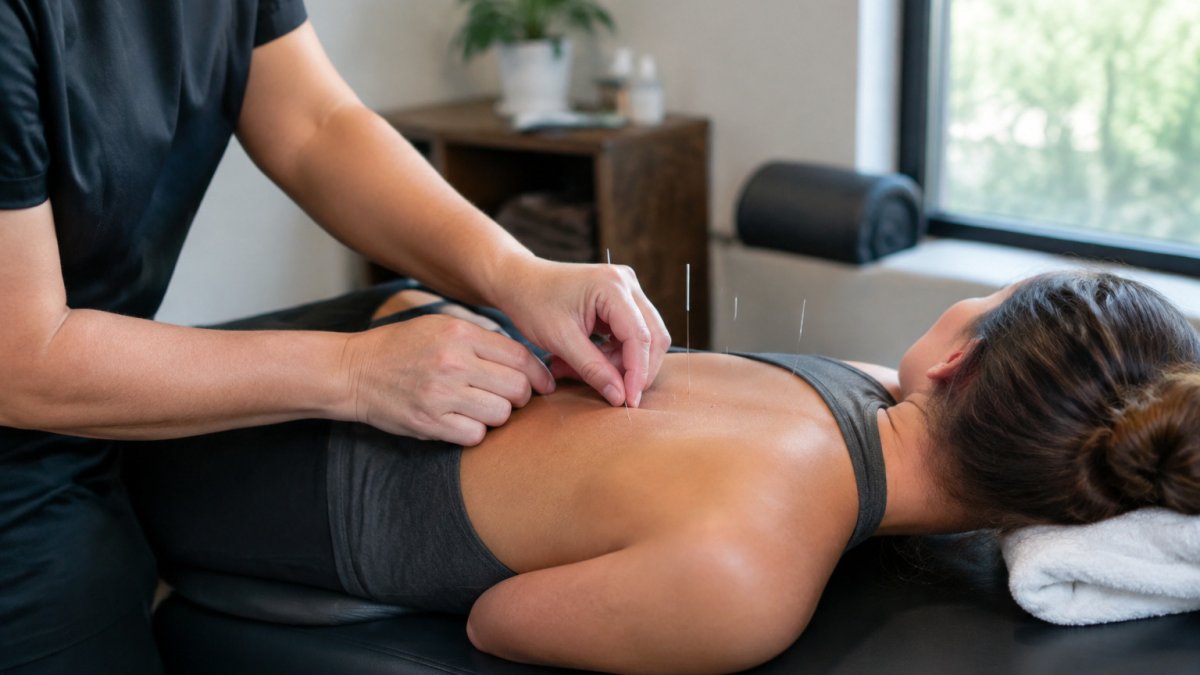
A first visit typically runs 45-60 minutes: symptom and history review, imaging and prior care, a physical assessment of movement and pain patterns, and the first needling session. Follow-ups are usually 20-40 minutes, with needles in for roughly 15-30 minutes; some practitioners add gentle electroacupuncture. You should feel relaxed, not sedated, and can drive yourself home.
A realistic treatment schedule
- Weeks 1-2: 1-2 sessions per week to establish whether you respond
- Weeks 3-6: taper to weekly if you are improving
- Week 6 checkpoint: reassess pain, function, and medication use
How progress is assessed
- Can you walk farther or sit longer than two weeks ago?
- Are you using less pain medication?
- Are you tolerating more physical therapy without a flare?
- Is sleep improving?
How the therapies fit together
- Acupuncture: short-term pain modulation and muscle relaxation, creating a window to move
- Physical therapy: the active ingredient, graded strengthening, core stability, and movement re-education
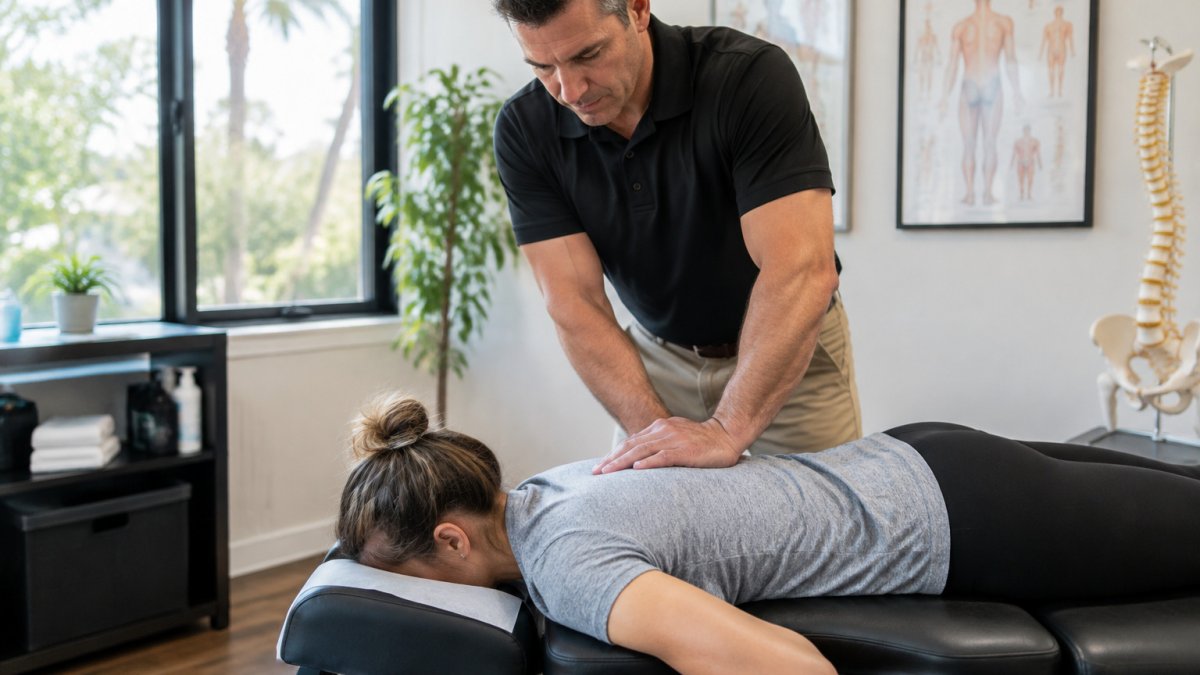
- Chiropractic care: spinal mobilization and alignment for some patients; evidence is mixed, and it is not appropriate for everyone
- Medication: NSAIDs or other agents for flare control, as directed by your clinician
- Injections and surgery: reserved for persistent symptoms or progressive neurological deficits
How this compares with standard care
Exercise-based rehabilitation is the backbone of conservative care for herniated discs, with stronger evidence than acupuncture for long-term function. Learn when to choose physical therapy for back pain to understand how it fits into your treatment plan. Acupuncture is best viewed as an adjunct that helps you participate in rehab, not a replacement. Medication and injections control flares; surgery is reserved for progressive weakness, cauda equina syndrome, or symptoms persisting despite 6-12 weeks of consistent conservative care. Acupuncture does not change those thresholds.
When to stop or reconsider
- No meaningful change after 6-8 sessions
- Symptoms worsening despite treatment
- New or progressive weakness, numbness, or bowel/bladder changes (seek urgent care)
- Cost or time burden outweighing benefit
Red flags that override any treatment plan
Seek urgent medical evaluation for new bowel or bladder problems, saddle numbness, progressive leg weakness, or sudden severe symptoms. These can signal cauda equina syndrome, a surgical emergency. Acupuncture has no role in that situation.
Cervical versus lumbar herniation
The same logic applies at either level, but details differ. Cervical herniations more often cause arm pain, hand numbness, and grip weakness; lumbar herniations more often cause leg pain, foot numbness, and walking limitations. Needling points, positioning, and precautions differ, and cervical needling near the neck and upper back carries additional safety considerations. Tell your practitioner exactly where symptoms radiate so the plan matches your presentation.
Schedule Your Acupuncture Consultation
Natural Healing Arts Medical has helped countless patients find relief from herniated disc pain through comprehensive, non-surgical care, combining acupuncture with chiropractic adjustments, physical therapy, and personalized wellness planning to address pain at its source and build lasting recovery.
Frequently Asked Questions
Can acupuncture relieve pain from a herniated disc?
Acupuncture may help reduce pain associated with herniated discs by stimulating the body's natural pain-relief mechanisms, including endorphin release and nerve signal modulation. While clinical studies show mixed results, many patients report symptom relief when acupuncture is combined with other conservative treatments like physical therapy. The effectiveness varies by individual, disc location, and severity of symptoms. Consult a qualified practitioner to determine if acupuncture is appropriate for your specific condition.
What is the best herniated disc treatment without surgery?
Conservative treatments for herniated discs typically include physical therapy, chiropractic care, acupuncture, anti-inflammatory medications, and rest. Many patients find relief through a combined approach rather than a single treatment. Physical therapy helps strengthen supporting muscles, while acupuncture may address pain and inflammation. Chiropractic adjustments can improve spinal alignment and reduce nerve compression. Most herniated discs improve with non-surgical care over weeks to months. Your healthcare provider can recommend the best combination based on your symptoms and disc location.
Is acupuncture safe for a herniated disc?
Acupuncture is generally considered safe when performed by a licensed, qualified practitioner using sterile needles. However, certain precautions apply to herniated disc patients. Inform your acupuncturist about your disc condition, location, and any neurological symptoms before treatment. Avoid aggressive needling or manipulation directly over the affected area. Some patients may experience temporary soreness or increased symptoms initially. Stop treatment and seek medical attention if you develop severe pain, numbness, or loss of function. Always work with both your acupuncturist and primary healthcare provider.
How many acupuncture sessions are needed for herniated disc pain?
Treatment frequency varies based on symptom severity and individual response. Most practitioners recommend starting with 1-2 sessions per week for 4-6 weeks, then reassessing progress. Some patients notice improvement within 3-4 sessions, while others require 8-12 sessions or longer. Chronic conditions typically need ongoing maintenance sessions. Your acupuncturist will develop a personalized treatment plan and adjust frequency based on your response. Combining acupuncture with physical therapy or chiropractic care may accelerate results and reduce the total number of sessions needed.
If you're dealing with herniated disc pain and conventional treatments haven't delivered the relief you need, acupuncture combined with chiropractic care and physical therapy may be exactly what your recovery requires. Natural Healing Arts Medical specializes in this integrated approach, helping patients avoid surgery and return to the activities they love. Schedule your consultation today and take the first step toward lasting pain relief and restored mobility.