 how-to
Relief from Chronic Fibromyalgia Symptoms: A Guide
Table of Contents
- Understanding Your Fibromyalgia Symptoms
- Daily Steps to Find Relief from Chronic Fibromyalgia Symptoms
- Fibromyalgia Flare-Up Management
- Lifestyle Changes for Chronic Pain
- Chiropractic Care for Fibromyalgia
- Finding Relief from Chronic Fibromyalgia Symptoms Through Support and Work Adjustments
- Conclusion
- Frequently Asked Questions
Last Updated: September 23, 2026
Understanding Your Fibromyalgia Symptoms
Fibromyalgia is a long-term condition causing widespread muscle pain, deep fatigue, and tenderness in multiple areas. This guide from Natural Healing Arts Medical explains how to find relief from chronic fibromyalgia symptoms through daily habits, professional care, and small changes.
The pain is real, not in your head. Many people also deal with poor sleep, low mood, and trouble focusing, and symptoms can shift day to day.
Fibromyalgia relief starts with understanding your own patterns. Track what makes symptoms worse and what helps. Doctors often use a mix of methods, since no single treatment works for everyone.
- Widespread muscle pain and stiffness
- Fatigue that rest does not fix
- Trouble sleeping or waking unrefreshed
- Headaches and jaw pain
- Foggy thinking and low mood
The CDC overview of fibromyalgia notes that diagnosis is based on symptoms and history, since there is no single lab test. That means your care plan should fit your body, not a checklist.
Daily Steps to Find Relief from Chronic Fibromyalgia Symptoms
Relief comes from stacking small habits, not chasing one cure. A steady routine of medication, movement, sleep, and stress care beats any single fix.
Medications and Therapies That Ease Pain
Doctors may prescribe medicines to calm pain signals and improve sleep, including duloxetine, milnacipran, and amitriptyline. Some people use lidocaine patches on tender spots for local relief.
These drugs are not painkillers in the usual sense.
- Duloxetine and milnacipran: help with pain and mood
- Amitriptyline: taken at night for sleep and stiffness
- Lidocaine patches: applied to sore areas for short-term relief
Movement, Stretching, and Physical Therapy
Gentle movement is one of the most useful tools for fibromyalgia relief. Stretching and light activity keep muscles from stiffening and help joint mobility.
- Start with 5-10 minutes of light stretching
- Try walking, swimming, or water aerobics
- Add strength work slowly, using light weights
- Stop if pain spikes, then ease back in
Fibromyalgia Flare-Up Management
A flare-up is a stretch of days when pain, fatigue, and stiffness climb above your usual baseline. Flares are rarely random, they usually follow a trigger such as poor sleep, illness, a weather shift, emotional stress, or a sudden activity jump after a good week. The most useful flare skill is knowing your trigger pattern well enough to see a flare coming.
Build a Flare Plan Before You Need One
Write your plan on a good day, when thinking is clear, and keep it somewhere you can find it when fog sets in. A workable plan answers four questions:
- What are my early warning signs? Common ones include waking unrefreshed two nights in a row, a rising headache, jaw clenching, or a specific ache that always shows up first.
- What do I cut first? Rank your weekly demands so you know which ones are negotiable. Most people cut social plans and housework before they cut work or medical appointments.
- What do I keep? Gentle movement and sleep timing are the two things worth protecting even on bad days, because dropping them extends the flare.
- Who do I tell? A partner, a coworker, or a friend who can take one task off your plate.
The Pacing Rule That Actually Works
Full bed rest backfires: lying still for days stiffens and deconditions muscles, making the return to activity harder and often triggering the next flare. Aim for roughly half your usual activity on the worst days, then add back about 10 to 20 percent per day as symptoms ease. Stay under the threshold where pain spikes, not test it.
Heat, Cold, and What to Use When
Warmth relaxes tight muscle and eases flare-related stiffness. A warm shower, heating pad on the neck or lower back, or warm bath all work. Keep water warm rather than hot and cap sessions at 15 to 20 minutes to avoid overheating or skin irritation.
When a Flare Is Not a Flare
A flare that lasts longer than usual, brings new symptoms, or includes fever, unexplained weight change, or pain in a new pattern deserves a call to your doctor. Fibromyalgia does not protect you from other conditions, and new or worsening symptoms should not be filed under "flare", treating something else as a flare delays real care.
- Note what triggered the flare, such as poor sleep, stress, or a weather change
- Lower activity to about half, but do not stop moving
- Use heat for widespread stiffness, cold for a single hot spot
- Ask for help with chores and errands before you are desperate
- Call your doctor if the flare runs longer than your normal or brings new symptoms
Lifestyle Changes for Chronic Pain
Small daily choices shape how fibromyalgia feels over time. Lifestyle changes for chronic pain focus on sleep, stress, pacing your energy, and, the piece most guides skip, how your workday is structured. Two people with the same symptom severity can have very different weeks depending on whether their job and home life allow pacing.
Sleep Hygiene and Stress Reduction
Poor sleep makes pain worse, and pain makes sleep harder. Breaking that loop is a core part of fibromyalgia relief: short sleep raises the nervous system's sensitivity to pain signals, a process tied to central sensitization, where the brain amplifies pain input it would normally filter out.
- Keep a consistent sleep and wake time, even on weekends
- Avoid caffeine in the afternoon
- Try mindfulness or meditation for 10 minutes
- Use slow breathing when stress builds
Workplace Accommodations: The Piece Most Guides Miss
Most fibromyalgia advice assumes you can rest when you need to. If you work, that assumption fails, the practical question is how to keep your job without spending every evening recovering from it.
- Flexible start times to work around morning stiffness, which is worst in the first hour or two after waking
- Remote days on a set schedule, so you can control temperature, seating, and breaks
- An ergonomic chair, keyboard, and monitor riser to reduce sustained muscle tension
- Short, scheduled stretch breaks every 60 to 90 minutes rather than one long lunch break
- A quieter workspace or permission to use noise-canceling headphones to limit sensory stress
- A modified schedule during a documented flare, such as reduced hours for a set period
Track Your Patterns With Simple Outcome Measures
You do not need an app or clinic, a notebook works. Each evening, log a 0-10 pain score, sleep hours, stress level, and one line about your day. After a few weeks, patterns emerge no 15-minute appointment could surface: which activities cost you the next day, how much sleep keeps you under your pain threshold, and whether a new medication is helping.
Build a Support Network Before You Need It
Isolation makes chronic pain harder to manage, and it is easy to drift into. Keep a short list of people you can ask for specific help, and ask before you are in crisis. A neighbor who can pick up a prescription, a friend who will walk with you on a low-energy day, or a support group, in person or online, all reduce the load.
Chiropractic Care for Fibromyalgia
Chiropractic care for fibromyalgia focuses on the spine, joints, and muscles, using gentle adjustments and hands-on work to ease stiffness and improve movement.
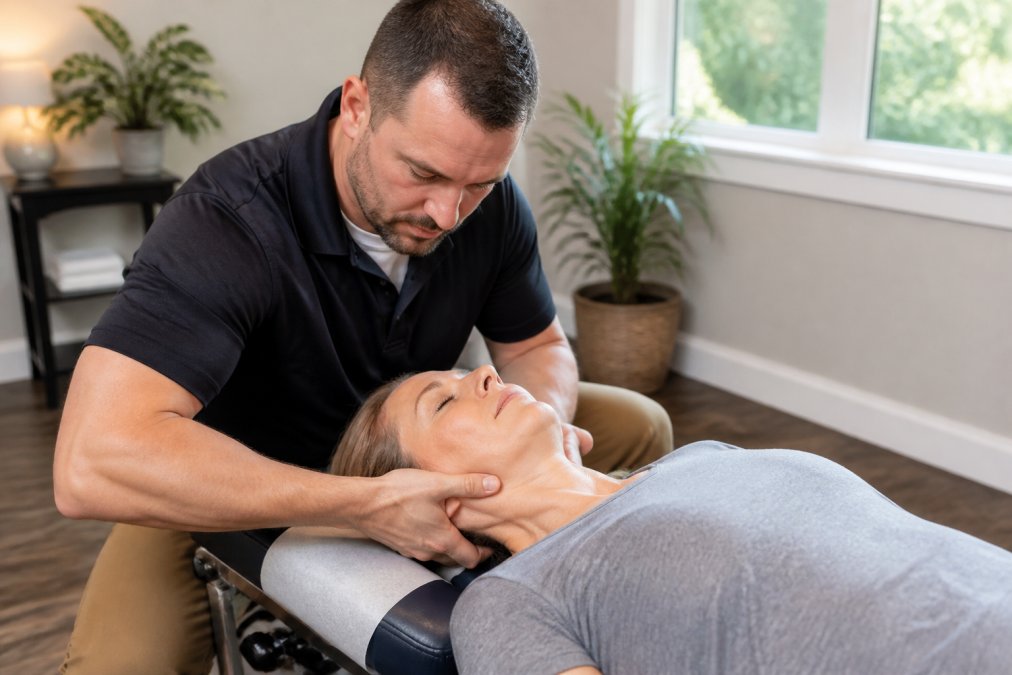
- Gentle spinal adjustments
- Hands-on work on tight muscles
- Stretching and posture guidance
- Physical therapy as part of the plan
Finding Relief from Chronic Fibromyalgia Symptoms Through Support and Work Adjustments
Support and daily adjustments often matter as much as any treatment. How to find relief from chronic fibromyalgia symptoms is partly a question of your surroundings, not just your body.
- A flexible start time or remote days
- An ergonomic chair and keyboard
- Short breaks to stretch and reset
- A quieter space to limit stress
Conclusion
Fibromyalgia relief rarely comes from one source. It comes from steady habits, the right care team, and support from the people around you.
Frequently Asked Questions
What should I do when fibromyalgia pain feels unbearable?
Start with heat therapy, such as a warm bath or heating pad, and rest in a comfortable position. Over-the-counter pain relievers may help if your doctor approves them. Practice slow breathing to reduce stress, which can lower pain perception. If the pain does not improve within a day or two, contact your healthcare provider. They may adjust your treatment plan or recommend therapies like physical therapy or cognitive behavioral therapy to help you cope.
Can chiropractic care help manage chronic fibromyalgia pain?
Chiropractic care can be part of a broader plan for fibromyalgia relief. A chiropractor may use gentle adjustments, soft tissue work, and lifestyle advice to reduce muscle tenderness and improve joint mobility. Research on chiropractic for fibromyalgia is limited, but some people report less pain and better function. Always choose a licensed chiropractor experienced with fibromyalgia and coordinate care with your primary doctor.
How can I recover from a fibromyalgia flare-up?
During a flare, prioritize rest and reduce physical demands. Apply heat to painful areas, try gentle stretching if tolerable, and practice relaxation techniques like meditation or deep breathing. Stay hydrated and eat easy-to-digest meals. Track your symptoms to identify triggers. If flares are frequent or severe, talk to your doctor about adjusting medications or adding therapies such as physical therapy or cognitive behavioral therapy. A flare-up management plan helps you respond quickly.
What lifestyle changes are most effective for fibromyalgia relief?
Regular low-impact exercise, such as walking or swimming, can reduce pain and fatigue over time. Prioritize sleep hygiene: keep a consistent bedtime, limit screens before bed, and create a cool, dark room. Manage stress with mindfulness or meditation. Eat a balanced diet and stay hydrated. These lifestyle changes for chronic pain support your overall well-being and can lessen symptom severity. Start with small, sustainable steps.