 how-to
How to Prevent Knee Osteoarthritis Progression
Table of Contents
- Understanding Knee Osteoarthritis Progression
- Weight Management and Joint Loading
- Exercises to Slow Knee Osteoarthritis
- Anti-Inflammatory Nutrition and Dietary Choices
- Non-Surgical Knee Osteoarthritis Treatment Options
- Viscosupplementation for Knee Pain Relief
- Building Long-Term Adherence and Pain Management
- Frequently Asked Questions
Last Updated: September 21, 2026
Understanding Knee Osteoarthritis Progression
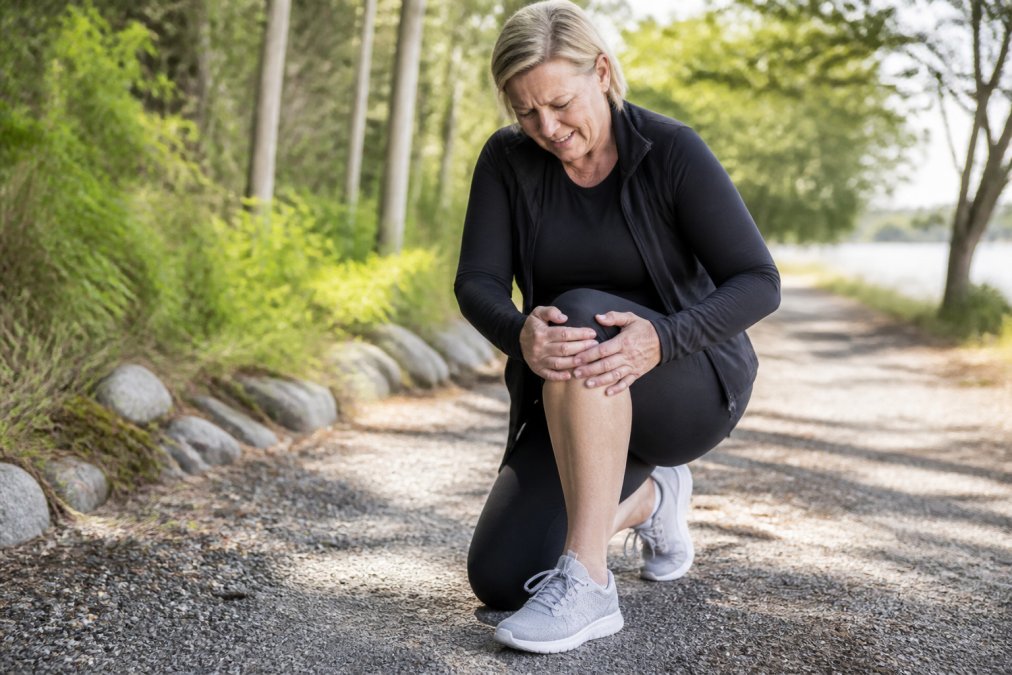
Knee osteoarthritis develops when cartilage degrades over time, progressively limiting range of motion as joint loading and inflammation increase.
Progression isn't inevitable. Many people with early-stage osteoarthritis successfully slow or stabilize symptoms through targeted interventions that address root causes rather than just masking them.
Progression typically involves cartilage thinning and fraying, eventually causing bone surfaces to rub together.
Weight Management and Joint Loading
Excess body weight directly increases stress on knee joints. Reducing body weight significantly decreases joint loading and slows cartilage degradation.
Consider these weight management strategies:
- Focus on sustainable eating patterns rather than restrictive diets
- Increase daily movement gradually without high-impact activities
- Track progress through pain reduction, not just scale weight
- Work with a healthcare provider to set realistic goals
- Combine nutrition changes with low-impact exercise
Exercises to Slow Knee Osteoarthritis
Low-impact exercise strengthens muscles around the knee without aggravation. Strong muscles distribute forces evenly across the joint surface, protecting cartilage and reducing pain, while weak muscles allow abnormal movement that concentrates wear.
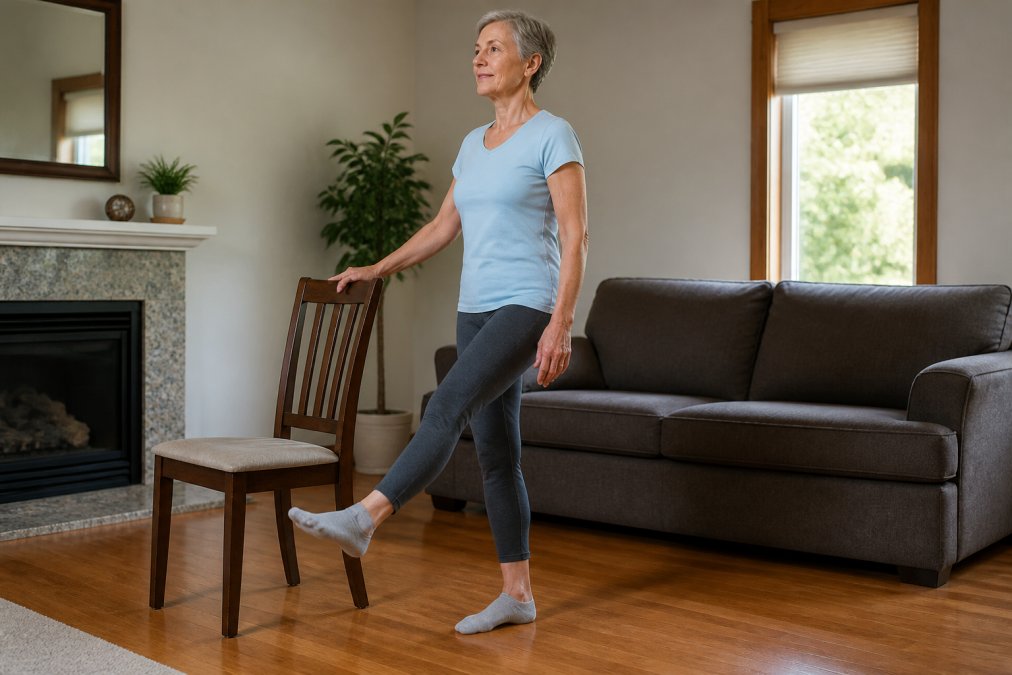
Progressive Exercise Protocol
Phase 1: Foundation (Weeks 1-2)
- Straight leg raises: Lying on your back, lift one leg 12 inches off the ground, hold 2 seconds, lower slowly. Perform 2 sets of 10-12 repetitions per leg, 3 days per week.
- Seated knee extensions: Sit in a firm chair, straighten one leg fully, hold 2 seconds, lower. Perform 2 sets of 12-15 repetitions per leg, 3 days per week.
- Glute bridges: Lying on your back with knees bent, lift hips toward ceiling, squeezing glutes. Hold 2 seconds, lower. Perform 2 sets of 12 repetitions, 3 days per week.
- Calf raises: Stand facing a chair for balance, rise on your toes, hold 1 second, lower. Perform 2 sets of 12-15 repetitions, 3 days per week.
Phase 2: Resistance Building (Weeks 3-6)
- Resistance band leg extensions: Loop a band around your foot while seated, straighten your leg against resistance. Perform 2-3 sets of 12 repetitions per leg, 3 days per week.
- Resistance band lateral walks: Place a band around your legs above the knees, step sideways against resistance. Perform 2 sets of 12 steps in each direction, 2-3 times per week.
- Step-ups: Using a 4-6 inch step, step up with one leg then the other, step down. Perform 2 sets of 10 repetitions per leg, 2-3 times per week.
- Wall squats: Stand with back against a wall, slide down until knees bend 45 degrees, hold 15-30 seconds. Perform 2-3 times per week.
Phase 3: Functional Strengthening (Weeks 7+)
- Stationary cycling: Start with 15-20 minutes at low resistance, 3-4 times per week, with slight knee bend at pedal bottom.
- Water-based activities: Swimming and water aerobics reduce joint stress by 50% due to buoyancy. Perform 30-45 minutes, 2-3 times per week.
- Incline walking: Walk on a slight incline (2-3%) to increase quadriceps activation without impact. Start with 20-30 minutes, 3-4 times per week.
- Lunges: Step forward, lowering back knee toward ground, push back to standing. Perform 2 sets of 10 repetitions per leg, 2-3 times per week.
Frequency and Duration Guidelines
Pain Management During Exercise
Warm-Up and Cool-Down
Anti-Inflammatory Nutrition and Dietary Choices
An anti-inflammatory diet reduces systemic inflammation and supports joint health. Foods that reduce inflammation include fatty fish rich in omega-3s, colorful vegetables, berries, nuts, and olive oil.
Consider adding these to your regular diet:
- Salmon, sardines, and other fatty fish (2-3 times weekly)
- Leafy greens like spinach and kale
- Berries, particularly blueberries and cherries
- Nuts and seeds for healthy fats
- Turmeric and ginger as cooking ingredients
- Extra virgin olive oil for salads and cooking
Non-Surgical Knee Osteoarthritis Treatment Options
Multiple non-surgical approaches slow progression and manage pain effectively by combining physical therapy, lifestyle modifications, and medical interventions.
| Treatment Type | How It Works | Best For |
|---|---|---|
| Physical therapy | Strengthens muscles, improves range of motion | Building strength and function |
| Weight management | Reduces joint loading and stress | Long-term progression prevention |
| Anti-inflammatory diet | Reduces systemic inflammation | Supporting overall joint health |
| Medication | Manages pain and inflammation | Short-term symptom relief |
| Viscosupplementation | Lubricates joint and reduces friction | Moderate to advanced osteoarthritis |
Viscosupplementation for Knee Pain Relief
Natural Healing Arts Medical offers viscosupplementation using Hyalgan, a proven formulation providing effective joint lubrication and pain relief. Combined with physical therapy, it helps prevent knee osteoarthritis from advancing while you build strength and improve movement patterns.
Building Long-Term Adherence and Pain Management
Success depends on consistency over months and years. Habit-stacking, linking new behaviors to existing routines, significantly increases adherence compared to relying on willpower alone.
Habit-Stacking Framework for Exercise Adherence
- After brushing your teeth, perform straight leg raises while standing at the sink (3 sets of 10 per leg)
- During your lunch break, take a 15-minute walk on a flat surface
- While watching television in the evening, use a resistance band for gentle leg strengthening
- After dinner, spend 5 minutes stretching while listening to a specific playlist
- Before bed, apply heat therapy to your knee while reading or journaling
Tracking Pain Patterns to Refine Your Approach
This data helps you:
- Identify which exercises genuinely reduce your pain versus which ones aggravate it
- Recognize environmental triggers (humidity, temperature, activity timing)
- Adjust your routine based on evidence, not assumptions
- Communicate specific patterns to your healthcare provider
Addressing the Psychological Impact of Chronic Pain
Evidence-based approaches to manage this cycle:
- Cognitive behavioral techniques: When pain flares, notice catastrophic thoughts ("This will never improve") and replace them with realistic ones ("This flare is temporary; I've managed this before"). This reduces the emotional amplification of pain signals.
- Graded exposure: Gradually return to activities you've avoided due to fear of pain. Many people overestimate how much pain an activity will cause; controlled, gradual exposure rebuilds confidence and function.
- Social connection: Isolation worsens both pain and depression. Join a support group (in-person or online) for people managing osteoarthritis. Shared experiences and practical tips from others reduce the psychological burden.
- Mindfulness and acceptance: Rather than fighting pain or catastrophizing about it, mindfulness-based approaches teach you to notice pain without judgment, reducing the emotional reaction that amplifies it.
Sleep Quality as a Foundation
Prioritize sleep hygiene:
- Maintain a consistent bedtime and wake time, even on weekends
- Keep your bedroom cool (around 65-68°F), dark, and quiet
- Avoid screens 30-60 minutes before bed; blue light suppresses melatonin
- If nighttime knee pain disrupts sleep, use a pillow between your knees to reduce joint stress
- Limit caffeine after 2 PM and alcohol in the evening (both disrupt sleep quality)
Stress Management and Inflammation
Practical stress management:
- Guided breathing: Practice 5-10 minutes of slow, deep breathing daily (in for 4 counts, hold for 4, out for 6). This activates the parasympathetic nervous system and reduces inflammation.
- Gentle movement: Yoga, tai chi, or slow walking in nature reduce stress hormones and improve joint mobility simultaneously.
- Time in nature: Even 15-20 minutes outdoors reduces cortisol and pain perception.
- Progressive muscle relaxation: Systematically tense and release muscle groups to reduce physical tension that amplifies pain.
Celebrating Progress Beyond the Scale
- Increased walking distance before pain increases
- Reduced morning stiffness duration
- Ability to perform activities you previously avoided (climbing stairs, getting out of a car, playing with grandchildren)
- Improved sleep quality
- Reduced pain medication use
- Better mood and energy levels
Frequently Asked Questions
Can lifestyle changes stop knee osteoarthritis from getting worse?
Yes. Weight management, low-impact exercise, anti-inflammatory nutrition, and proper joint protection can significantly slow knee osteoarthritis progression. Studies show that reducing joint loading through weight loss and strengthening the muscles around the knee helps preserve remaining cartilage. Combined with non-surgical treatments like physical therapy or viscosupplementation, these changes address both the mechanical and inflammatory aspects of the disease, helping maintain functional mobility and delay further cartilage degradation.
Is walking good for knee osteoarthritis?
Walking can be beneficial, but the approach matters. Low-impact walking on flat surfaces helps maintain range of motion and bone health without excessive joint loading. However, walking on uneven terrain, hills, or for extended periods may increase joint stress and inflammation. The key is consistent, moderate activity that strengthens supporting muscles without causing pain. Physical therapy can teach proper gait modification techniques to reduce biomechanical stress on your knee during walking.
What is viscosupplementation and how does it help prevent progression?
Viscosupplementation for knee pain involves injecting hyaluronic acid (a substance found naturally in synovial joint fluid) directly into the knee. This restores lubrication, reduces friction, and provides anti-inflammatory benefits that can slow cartilage degradation. It's a non-surgical treatment that works alongside exercise and weight management to reduce joint stress and chronic pain, allowing you to maintain functional mobility and continue therapeutic exercise needed for long-term joint preservation.
How long does it take to see results from prevention strategies?
Results vary, but most people notice improvements in pain and stiffness within 4-6 weeks of consistent exercise and weight management. Weight loss effects on joint loading take longer, typically 8-12 weeks to feel meaningful reduction in symptoms. Viscosupplementation injections often provide relief within 1-2 weeks, with full benefits appearing over several weeks. The goal is sustained adherence over months and years, as osteoarthritis prevention is an ongoing process, not a quick fix.