 how-to
How to Relieve Sciatica Pain With Chiropractic
Table of Contents
- What Is Sciatica and Why Chiropractic Care Works
- Chiropractic Adjustments for Nerve Pain Relief
- What to Expect During Your First Chiropractic Visit
- Sciatica Treatment Duration and Recovery Timeline
- Exercises for Sciatica Relief You Can Do at Home
- Safety Considerations and When to Seek Care
- Post-Treatment Maintenance for Long-Term Relief
- Frequently Asked Questions
Last Updated: August 29, 2026
What Is Sciatica and Why Chiropractic Care Works
Sciatica occurs when the sciatic nerve becomes compressed or irritated, typically by a herniated disc, bone spur, or muscle tension in the lower back (ninds.nih.gov). The result is pain, numbness, or tingling that radiates down one leg, sometimes all the way to the foot (mayo.edu). This condition affects the nerve root where it exits the lumbar spine, and intensity can range from mild discomfort to debilitating pain that limits daily activities.
Chiropractic care targets the root cause rather than just masking symptoms. Spinal manipulation realigns vertebrae that have shifted out of position, reducing nerve compression. Myofascial release addresses the soft tissue surrounding the nerve, decreasing inflammation and muscle tension. Combined, these approaches restore normal nerve pathway function and reduce the neurological symptoms driving your pain. The non-invasive nature of chiropractic treatment appeals to patients who want to avoid surgery or long-term medication dependence.
Chiropractic Adjustments for Nerve Pain Relief
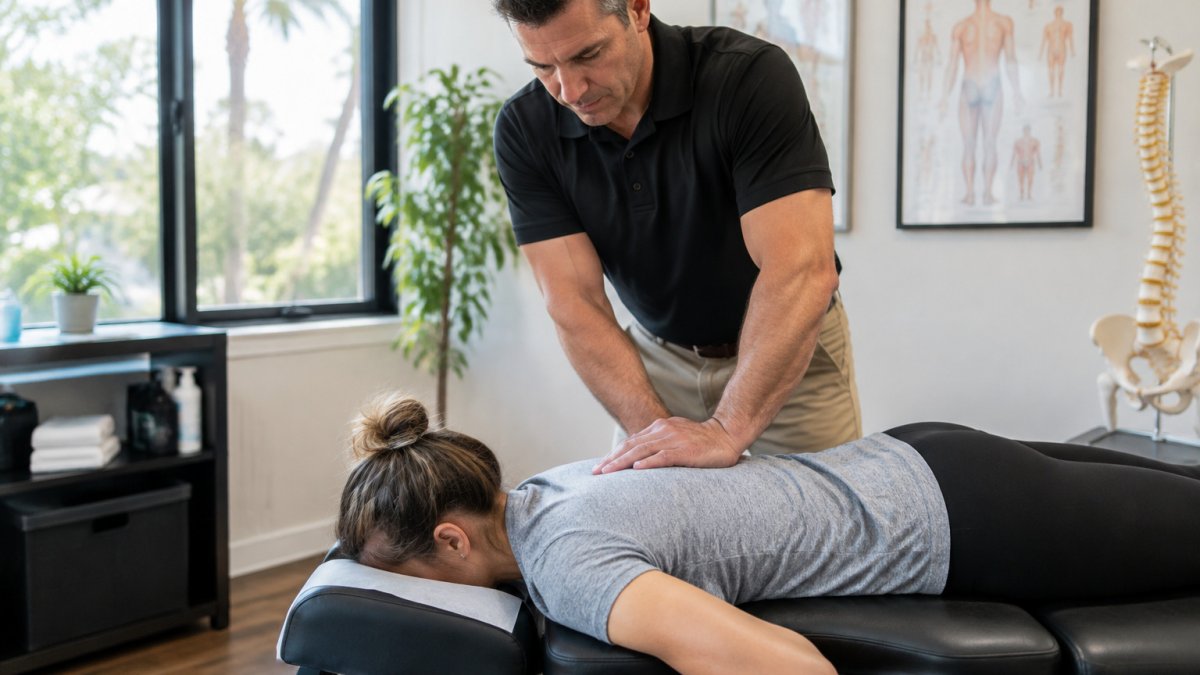
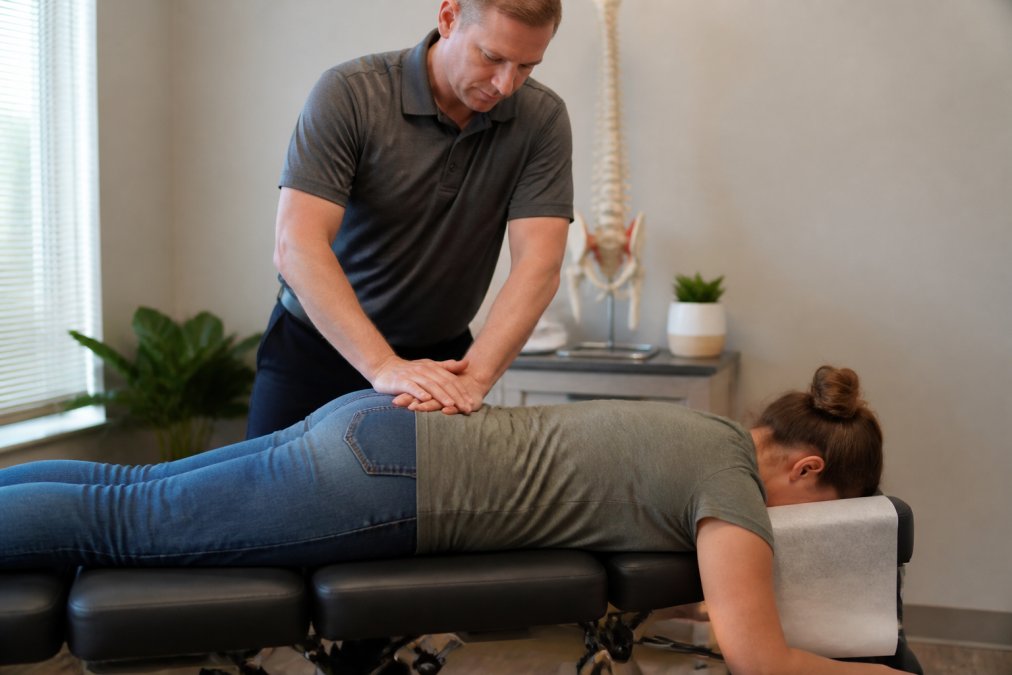
Chiropractic adjustments directly address nerve compression by restoring spinal alignment and reducing pressure on the affected nerve root. When vertebrae slip out of proper position, a condition called subluxation, they narrow the space where the sciatic nerve exits the spine. A skilled adjustment moves those vertebrae back into alignment, instantly reducing compression and allowing the nerve to function normally again.
Spinal Manipulation and Nerve Decompression
Spinal manipulation involves applying controlled force to vertebrae to restore proper alignment. During a manipulation, your chiropractor uses their hands or a specialized instrument to move a vertebra back into position. You might hear a popping sound, that's gas bubbles releasing from the joint fluid, not bones cracking. The adjustment immediately reduces nerve compression and allows the nerve root to function without obstruction.
Nerve decompression happens through two mechanisms. First, the direct adjustment moves the vertebra away from the nerve. Second, the improved alignment reduces inflammation around the nerve pathway. Within hours or days, many patients notice decreased pain radiating down the leg. Natural Healing Arts Medical uses evidence-based techniques to ensure each adjustment targets the specific vertebra causing your nerve compression.
Patients often ask how many adjustments they'll need. Acute cases, pain that started recently, often respond within 2-4 visits (peer-reviewed research). Chronic cases that have persisted for months may require a longer treatment plan.
Myofascial Release and Soft Tissue Therapy
Myofascial release targets the muscles and connective tissue surrounding the nerve, which are often the real culprit behind sciatica pain. When muscles contract and remain tight, they squeeze the sciatic nerve just as effectively as a misaligned vertebra does. During myofascial release, your chiropractor applies sustained pressure to tight muscle groups in the lower back, buttocks, and legs, breaking up adhesions and restoring normal flexibility.
The sciatic nerve passes directly through the piriformis muscle in the buttocks. When this muscle becomes tight, it can compress the nerve and trigger pain all the way down the leg. Myofascial release specifically targeting this muscle often provides dramatic relief. As muscle tension releases and blood flow improves, swelling decreases naturally, reducing chemical irritation of the nerve and accelerating healing.
What to Expect During Your First Chiropractic Visit
Your first appointment begins with a thorough clinical assessment. Your chiropractor will ask detailed questions about when your pain started, what movements make it worse, and whether you've had any recent injuries. They'll also ask about your work environment and any previous treatments you've tried.
The physical examination includes orthopedic and neurological tests. Your chiropractor will check your range of motion, test muscle strength, and assess your reflexes. They may perform specific tests that reproduce your sciatic nerve pain to pinpoint exactly which nerve root is affected. Some patients need X-rays or other imaging to rule out serious conditions.
Once your chiropractor understands your condition, they'll explain what's causing your pain and outline a treatment plan. The first adjustment itself is usually gentle, and most patients feel some relief after the first visit, though significant improvement typically takes 2-4 sessions. Your chiropractor will also assess your posture and ergonomics, providing specific guidance on how to sit, stand, and move to protect your spine.
Sciatica Treatment Duration and Recovery Timeline
How long your sciatica treatment takes depends on several factors: how long you've had the problem, how severe the nerve compression is, and how well you follow home care instructions. Acute sciatica often improves within 2-4 weeks of chiropractic care. Chronic sciatica that's persisted for months typically requires 6-12 weeks of treatment.
Most patients start with 2-3 visits per week for the first 2-4 weeks. As symptoms improve, visits taper to once weekly, then every other week. Your recovery timeline also depends on your commitment to home care. Patients who do their stretches, maintain good posture, and avoid aggravating activities recover faster than those who ignore these recommendations.
The key to sustained relief is consistency. Missing appointments or skipping home exercises delays progress. Patients who stick with their treatment plan and follow ergonomic recommendations typically recover completely and avoid recurrence.
Exercises for Sciatica Relief You Can Do at Home
Home exercises are just as important as chiropractic adjustments for how to relieve sciatica pain with chiropractic care. These exercises reduce muscle tension, improve flexibility, and strengthen the muscles supporting your spine. Your chiropractor will teach you specific exercises tailored to your condition, not generic stretches, but movements designed to address your particular nerve compression.
Stretching and Strengthening Routine
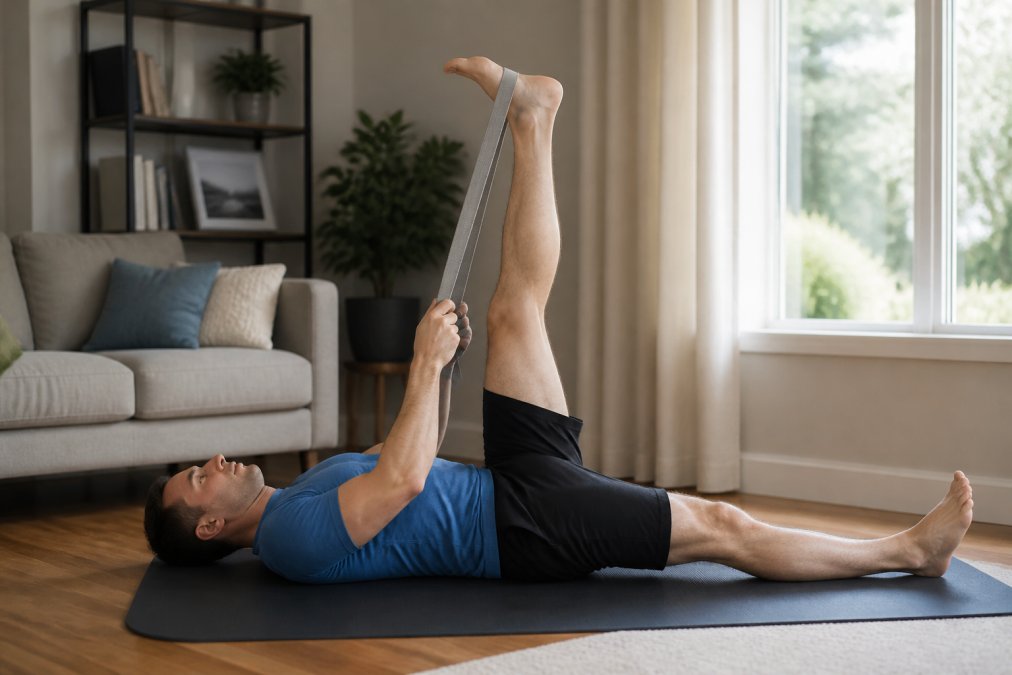
Hamstring stretches are essential for sciatica relief because tight hamstrings pull on the sciatic nerve and limit range of motion. Lie on your back with one leg bent and foot flat on the floor. Loop a resistance band or towel around the thigh of your other leg and gently pull it toward your chest. Hold for 30 seconds, breathing deeply. Repeat 3 times on each leg.
The piriformis stretch targets the muscle that often compresses the sciatic nerve. Lie on your back with both knees bent. Cross one ankle over the opposite knee, creating a figure-4 shape. Pull the bottom knee toward your chest. Hold for 30 seconds. This stretch directly addresses nerve compression in the buttocks.
Glute bridges strengthen the muscles that support your lower back and reduce stress on the sciatic nerve. Lie on your back with knees bent and feet flat. Lift your hips toward the ceiling, squeezing your glute muscles. Hold for 2 seconds, then lower. Do 10-15 repetitions. Start with 2 sets and progress to 3 as you get stronger.
Cat-cow stretches improve spinal mobility and reduce nerve compression. Start on your hands and knees. Arch your back, lifting your head and tailbone toward the ceiling (cow pose). Hold for 2 seconds, then reverse: round your spine, tucking your chin and tailbone (cat pose). Alternate slowly for 10 repetitions.
Posture Correction and Ergonomic Adjustments
Poor posture is often the root cause of sciatica, and correcting it prevents recurrence. Sit with your shoulders back, your spine against the chair, and your feet flat on the floor. Your knees should be at a 90-degree angle. Many people slouch forward, which increases pressure on the lumbar spine and aggravates the sciatic nerve.
Your workspace ergonomics matter tremendously if you work a desk job. Your monitor should be at eye level, your keyboard at elbow height, and your chair supporting your lower back. Avoid sitting for more than 30-45 minutes without standing and moving.
When sleeping, side-sleeping with a pillow between your knees reduces stress on the sciatic nerve. Avoid sleeping on your stomach, which twists your spine and aggravates nerve compression.
Lifting mechanics prevent re-injury. Bend at your knees, not your waist. Keep heavy objects close to your body. Avoid twisting your spine while holding weight.
Safety Considerations and When to Seek Care
Chiropractic care is generally safe when performed by a qualified practitioner, but certain conditions require medical evaluation before treatment begins. If you have severe neurological symptoms, complete leg paralysis, loss of bowel or bladder control, or progressive numbness, seek immediate medical attention. These symptoms suggest cauda equina syndrome, a serious condition requiring emergency intervention.
Some spinal conditions contraindicate chiropractic manipulation. Severe osteoporosis, certain types of cancer affecting the spine, or unstable fractures require different treatment approaches. This is why your initial clinical assessment is thorough, your chiropractor must identify these contraindications before treatment begins.
Temporary soreness after your first adjustment is normal and usually resolves within 24 hours. If pain worsens significantly or persists beyond 48 hours, contact your chiropractor immediately. Patients on blood thinners should inform their chiropractor before treatment, as myofascial release can occasionally cause bruising. Pregnancy requires modified chiropractic techniques, but many pregnant patients benefit from care for sciatica and lower back pain.
Post-Treatment Maintenance for Long-Term Relief
The work doesn't end when your acute sciatica resolves. Long-term relief requires ongoing maintenance, not constant chiropractic visits, but consistent home care and lifestyle adjustments. Many patients return for monthly maintenance visits after their initial treatment plan ends to catch minor alignment issues before they develop into full-blown sciatica episodes.
Your home exercise routine becomes a permanent part of your life. Most patients do a 10-minute routine 3-4 times weekly once they're symptom-free. Ergonomic awareness remains crucial, and these habits become automatic over time with conscious attention.
Stress management also supports long-term relief. Stress causes muscle tension throughout your body, including the muscles surrounding the sciatic nerve. Regular exercise, adequate sleep, and stress-reduction techniques like deep breathing or meditation help maintain the progress you've made during treatment.
Sciatica pain doesn't have to control your life. The combination of professional chiropractic care and consistent home care provides lasting relief without surgery or long-term medication. Natural Healing Arts Medical specializes in comprehensive sciatica treatment, combining spinal adjustment, myofascial release, and personalized exercise programs to address the root cause of your pain. Dr. David Zamikoff has helped countless patients restore their mobility and return to the activities they love. Schedule your appointment today and discover how chiropractic care can relieve your sciatica pain and restore your quality of life.
Frequently Asked Questions
How long does it take a chiropractor to fix sciatica?
Recovery time varies based on the severity of nerve compression and your specific condition. Some patients experience relief within a few weeks, while others with chronic sciatic nerve irritation may require 6-8 weeks or longer. Your chiropractor will assess your lumbar spine during your clinical assessment and develop a personalized treatment plan. Consistency with sessions and home exercises significantly affects how quickly you see results.
What exercises should I do for sciatica relief at home?
Effective exercises for sciatica relief include hamstring stretches, piriformis stretches, and gentle spinal decompression movements. Avoid high-impact activities that increase nerve compression. Your chiropractor will recommend specific therapeutic exercises tailored to your condition. Perform stretching 2-3 times daily for 20-30 seconds per stretch. Combine these with posture correction and ergonomic workspace adjustments to prevent symptom recurrence and support your recovery.
Is chiropractic care safe for a herniated disc causing sciatica?
Chiropractic care can be safe and effective for herniated discs when performed by a qualified professional who conducts a thorough clinical assessment. Your chiropractor will use imaging and neurological testing to evaluate nerve root compression before treatment. Non-invasive techniques like spinal manipulation and myofascial release address inflammation and improve range of motion. However, certain contraindications exist, so disclose your full medical history and any previous spinal injuries to ensure appropriate care.
What makes chiropractic care different from physical therapy for sciatica?
Chiropractic care focuses on spinal alignment and nerve pathway restoration through spinal manipulation and joint mobilization, while physical therapy emphasizes therapeutic exercise and gradual strength building. Both approaches address muscle tension and range of motion. Many patients benefit from combining chiropractic adjustments with physical therapy during treatment. Your chiropractor can coordinate with your physical therapist to create a comprehensive pain management strategy that targets both the underlying cause and symptom relief.