 how-to
Knee Injection Recovery: What to Expect
Table of Contents
- Understanding Knee Injection Recovery
- What to Do After a Knee Injection
- Knee Pain After Injection: Timeline and Expectations
- Walking After Knee Injection: Activity Guidelines
- How Long Does a Knee Injection Take to Work
- Warning Signs: When to Contact Your Doctor
- Factors That Affect Your Recovery
- Frequently Asked Questions
Last Updated: October 11, 2026
Understanding Knee Injection Recovery
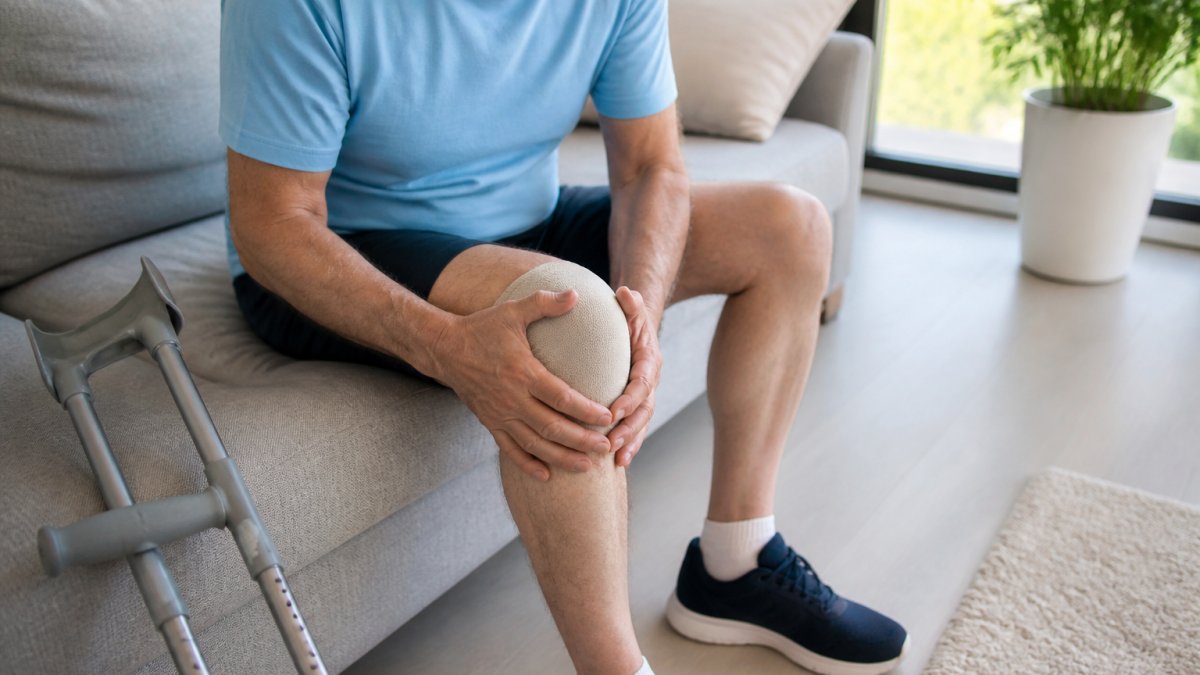
Knee injection recovery varies by injection type and individual healing response. Understanding what to expect helps you manage discomfort and return to normal activities safely.
Knee injection recovery typically involves an initial inflammatory response followed by gradual symptom improvement over days and weeks. Most people experience soreness and swelling immediately after, but these usually diminish quickly with proper care.
The timeline for knee injection recovery depends on your age, activity level, and injection type. Gel injections and corticosteroid injections differ in onset and duration, so understanding these differences helps you set realistic expectations.
What to Do After a Knee Injection
Immediate Post-Injection Care
The first hours after your knee injection are critical for minimizing swelling. General care principles apply across most injection types.
Rest your knee and avoid weight-bearing for at least 24 hours after injection. No standing for long periods, stair climbing, or exercise. Early activity increases inflammation and delays recovery.
Apply ice to the injection site for 15-20 minutes at a time during the first 24-48 hours, using a cloth barrier to prevent ice burn. Repeat every 2-3 hours as needed for inflammation and pain relief.
Keep your leg elevated when sitting or lying down, with your knee higher than your heart. Elevation helps fluid drain and reduces swelling.
Managing Discomfort and Swelling
Mild pain and swelling are normal after a knee injection and signal your body is responding to treatment. Managing discomfort properly supports faster recovery.
Over-the-counter pain relievers can help during the first few days, but ask your doctor about interactions. Many patients find ice and elevation provide sufficient relief.
A compression sleeve or elastic bandage reduces swelling and stabilizes the joint. Ensure it's snug but not tight enough to cut off circulation.
Avoid heat during the first 48 hours, as it increases blood flow and worsens swelling. After 48 hours, alternating heat and ice may feel more comfortable.
Knee Pain After Injection: Timeline and Expectations
First 48 Hours
The first two days bring the most noticeable discomfort. Soreness at the injection site is normal, most people describe it as a dull ache or mild tenderness.
Swelling typically peaks within 24-48 hours and may look puffy or feel warm. This inflammatory response is your body's natural healing process. Swelling usually begins to decrease after day two.
Follow the RICE protocol during the first 48 hours: rest, ice, compression, and elevation. Strict adherence significantly reduces total recovery time.
Pain levels usually improve noticeably by day three. If your pain worsens instead of improving, or if swelling becomes severe, contact your doctor. These could signal complications that need medical attention.
Days 3 to 7
By day three, most people notice significant improvement in pain and swelling. Acute discomfort typically subsides, though the injection site may still feel tender.
Light walking becomes acceptable around day three on flat surfaces. A 10-minute walk is reasonable; avoid stairs and uneven terrain. If pain increases, reduce activity.
Swelling continues to decrease during days three through seven. Continue using ice after activity and elevation when resting.
By day seven, most people can resume normal daily activities like light housework and desk work. Strenuous exercise and high-impact activities should still be avoided.
Recovery by Injection Type
Different knee injection types follow slightly different recovery timelines. Understanding which type you received helps you set appropriate expectations.
Gel injections using viscosupplementation show gradual improvement over one to two weeks. Full benefit often takes several weeks as the hyaluronic acid integrates with your joint fluid.
Corticosteroid injections often provide faster initial relief, with pain and swelling decreasing more rapidly. However, benefits typically last weeks to a few months.
| Injection Type | Days 1-2 | Days 3-7 | Weeks 2-4 | Full Benefit Timeline |
|---|---|---|---|---|
| Gel (Viscosupplementation) | Soreness, swelling | Light activity OK | Return to normal | 1-2 weeks |
| Corticosteroid | Rapid relief | Quick improvement | Pain reduction | Days to weeks |
| PRP | Moderate soreness | Gradual improvement | Continued healing | 2-4 weeks |
Walking After Knee Injection: Activity Guidelines
When It's Safe to Walk
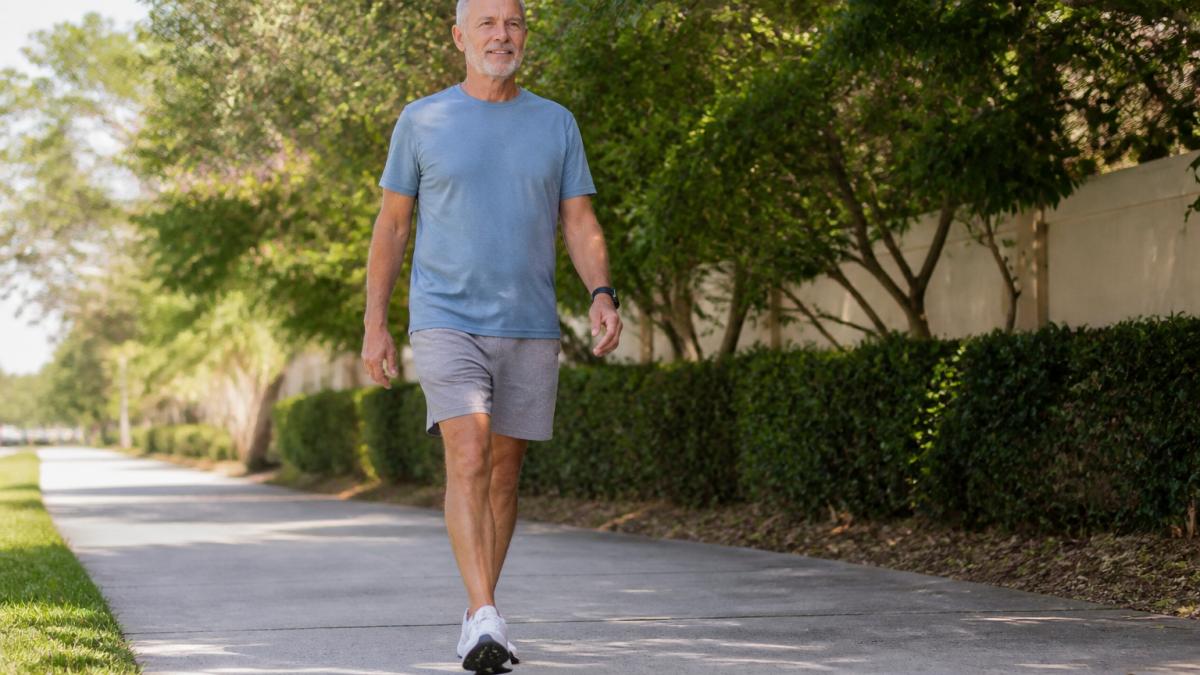
Walking after a knee injection requires careful timing and gradual progression. Starting too soon can increase inflammation and delay recovery. Starting too late means missing an important part of your healing process.
Most people can begin light walking around day three after their knee injection. This doesn't mean you should walk as much as before the injection. Light walking means short distances on flat, even surfaces. A 10-minute walk is reasonable. A 30-minute hike is not.
Pay attention to your knee's response during and after walking. Some mild discomfort is normal, but sharp pain or increased swelling means you've done too much. If your knee feels worse after walking than before, reduce your distance and pace next time.
By week two, most people can walk for 15-20 minutes comfortably. By week three, 30-minute walks become reasonable for many people. However, individual recovery varies significantly. Your doctor's specific guidance for your situation takes priority over general timelines.
Returning to Normal Activities
Returning to your normal activity level after a knee injection is a gradual process. Rushing this phase can trigger setbacks and extend your overall recovery time. Patience during these weeks pays off with better long-term results.
By week three or four, most people can resume normal daily activities like walking around the house, light housework, and desk work. Stairs become more manageable, though taking them slowly is still wise. Your knee should feel substantially better than in the first week.
Exercise and sports require more time. High-impact activities like running, jumping, or intense sports should wait at least four to six weeks. Low-impact exercise like swimming or stationary cycling may become acceptable around week three, but check with your doctor first. Your specific situation determines your timeline.
Return to work depends on your job type. Desk work can resume within days. Jobs requiring standing or walking all day may need another week or two. Jobs involving heavy lifting or climbing should wait until your doctor clears you, typically four to six weeks.
How Long Does a Knee Injection Take to Work
The timeline for feeling relief from a knee injection depends on the type of injection you received. Gel injections and corticosteroid injections each have different onset patterns.
Corticosteroid injections often provide relief within days. Some people notice improvement within 24-48 hours, though full benefit typically develops over one to two weeks. This rapid onset makes corticosteroid injections popular for acute pain management.
Gel injections using viscosupplementation work more gradually. Initial relief may take one to two weeks to develop. Full benefit often requires two to four weeks as the hyaluronic acid integrates with your joint fluid. The gradual onset doesn't mean it's not working. It means your body is building long-term pain relief rather than providing immediate temporary relief.
Most people experience at least some pain relief within the first two weeks after their knee injection. If you feel no improvement by three weeks, contact your doctor. This could indicate that your specific condition needs a different treatment approach.
Warning Signs: When to Contact Your Doctor
While mild soreness and swelling are normal after a knee injection, certain symptoms warrant immediate medical attention. Knowing the difference between normal recovery and problematic complications keeps you safe.
Contact your doctor if you develop severe pain that doesn't improve with rest, ice, and over-the-counter pain relief. Severe pain could indicate an infection, allergic reaction, or other complication requiring medical evaluation.
Excessive swelling that worsens after day two or three needs professional attention. Some swelling is normal, but swelling that continues to increase suggests a problem. Similarly, warmth and redness around the injection site could indicate infection.
Fever after a knee injection is never normal. Even a low-grade fever warrants a call to your doctor. Fever combined with pain and swelling at the injection site could signal infection requiring antibiotics.
Inability to move your knee or severe stiffness beyond normal post-injection soreness needs evaluation. Your knee should gradually regain normal range of motion during the first week. If movement becomes more restricted rather than improving, medical attention is needed.
Numbness, tingling, or unusual sensations in your leg could indicate nerve involvement. While rare, these symptoms require prompt evaluation to rule out serious complications.
Factors That Affect Your Recovery
Your individual recovery timeline depends on multiple factors beyond the injection type. Understanding these factors helps you set realistic expectations and optimize your healing process.
Your age influences recovery speed. Younger people generally recover faster than older adults, though people of all ages recover successfully from knee injections. Age alone doesn't determine your outcome. Your overall health and activity level matter more than your age.
Your overall health status affects how quickly your body heals. People with well-controlled diabetes, good cardiovascular health, and strong immune systems tend to recover faster. Chronic health conditions may slow recovery slightly, but they don't prevent successful treatment outcomes.
Your activity level before the injection influences recovery. People who were relatively active before treatment often recover faster and regain function more quickly. However, people with limited pre-injection activity can still recover successfully with appropriate progression.
Following post-injection guidelines directly impacts your recovery speed. People who follow rest recommendations, use ice and elevation, and gradually return to activity recover faster than those who ignore these guidelines. Your adherence to recovery protocols matters significantly.
Your specific knee condition affects recovery. Osteoarthritis that's been present for years may respond differently than acute knee injuries. Severe osteoarthritis may require a longer recovery period than mild cases. Your doctor can discuss how your specific condition influences your expected timeline.
Knee injection recovery typically follows a predictable pattern, but individual timelines vary. The first 48 hours require rest and ice to manage inflammation. Days three through seven bring noticeable improvement as you gradually resume light activity.
At Natural Healing Arts Medical, we support your recovery with expert guidance and compassionate care. Our team specializes in surgery-free treatments for knee osteoarthritis using viscosupplementation, designed to restore long-lasting pain relief and freedom of movement. If you're considering a knee injection or currently recovering from one, we're here to answer your questions and support your healing. Schedule an appointment today to discuss your specific situation with Dr.
Frequently Asked Questions
Is it okay to walk after a knee injection?
Yes, light walking is typically safe after a knee injection, but timing depends on your specific procedure. Most patients can walk gently on the day of injection or the next day. Avoid strenuous walking or prolonged standing for at least 48 hours. Your doctor will provide specific guidance based on the type of injection you received. Start with short distances and gradually increase as comfort allows.
How long will a knee hurt after an injection?
Post-injection soreness is common and usually peaks within the first 24-48 hours, then gradually improves. Mild discomfort may last 3-7 days. The inflammatory response from the injection procedure causes temporary pain, which is different from your underlying knee pain. Ice and rest help manage this temporary soreness. If pain worsens significantly after day 3 or doesn't follow expected patterns, contact your healthcare provider.
How long does it take for a knee gel injection to work?
Viscosupplementation (gel injections) typically begins providing relief within 1-2 weeks, with full benefits often appearing after 4-6 weeks. Some patients notice improvement sooner, while others require the full treatment course to experience maximum pain relief and improved range of motion. Multiple injections may be recommended for sustained relief. Individual response varies based on the severity of osteoarthritis and overall knee health.
What should I do if symptoms don't follow the expected recovery timeline?
Contact your healthcare provider if you experience increasing pain after day 3, severe swelling that doesn't improve, signs of infection, or no improvement after the expected timeframe. Delayed or unexpected recovery can indicate complications or individual factors affecting healing. Your doctor can assess whether additional treatment, physical therapy adjustments, or further evaluation is needed to optimize your results.