 how-to
5 Ways to Prevent Recurring Back Pain With Chiropractic Care
Last Updated: October 26, 2026
Quick Summary
To prevent recurring back pain with chiropractic care, address the underlying causes like poor posture and weak core muscles through spinal adjustments, targeted exercises, and lifestyle changes. Chiropractic care restores normal spinal function and alignment while strengthening the muscles that support your spine.
- Exercise is the single most important thing you can do to prevent recurring back pain.
- Core strengthening exercises progress over five weeks, starting with dead bug holds and bird dogs.
- Good posture means ears aligned over shoulders, chest open, and spine in neutral position.
- Alternate between sitting and standing every 30 minutes to reduce strain at your desk.
- Prevention through maintenance visits is cheaper and easier than treating pain flare-ups.
Table of Contents
- Understanding Common Causes of Recurring Back Pain
- How Chiropractic Care for Chronic Back Pain Works
- Back Pain Prevention Exercises to Strengthen Your Spine
- Lifestyle Changes to Prevent Back Pain Recurrence
- Ongoing Care and Prevention of Recurring Pain
- Red Flags: When to Seek Medical Evaluation
- Schedule Your Chiropractic Consultation
- Frequently Asked Questions
Understanding Common Causes of Recurring Back Pain
Back pain often returns because the underlying cause wasn't fully addressed. Many people treat the symptom, not the problem. When you only focus on pain relief, you miss the chance to fix what caused it in the first place. (Source: research from the American Chiropractic Association)
Common triggers for recurring back pain include poor posture, weak core muscles, and repetitive strain. Sitting at a desk all day tightens your hip flexors and weakens your back. Lifting incorrectly puts stress on your spine. Over time, these habits stack up and pain returns.
Back pain can return after a period of rest or pain relief. A qualified professional can discuss options for addressing recurring back pain.
Another major cause is muscle imbalance. Your body has muscles on the front and back of your core. If the front is tight and the back is weak, your spine curves the wrong way. This puts pressure on nerves and joints.
Stress and tension also play a role. When you're stressed, your muscles tighten. Tight muscles pull on your spine. Over weeks and months, this chronic tension causes pain. Many people don't realize their back pain is connected to how they hold stress in their body.
Understanding these causes is the first step to preventing recurring back pain. Once you know what's driving your pain, you can target it directly.
How Chiropractic Care for Chronic Back Pain Works
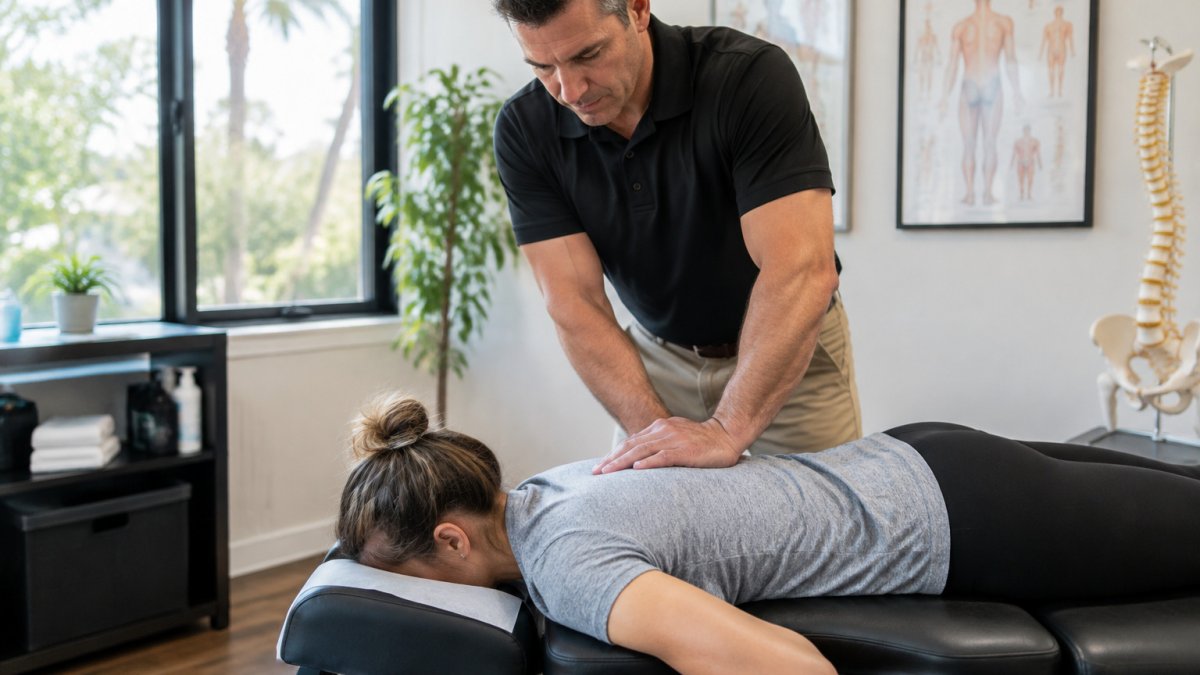
Chiropractic care for chronic back pain takes a different approach than most treatments. Instead of just masking pain, it focuses on restoring normal spinal function and alignment. When your spine moves correctly, pain often decreases naturally.
Spinal Adjustments and Joint Mobilization
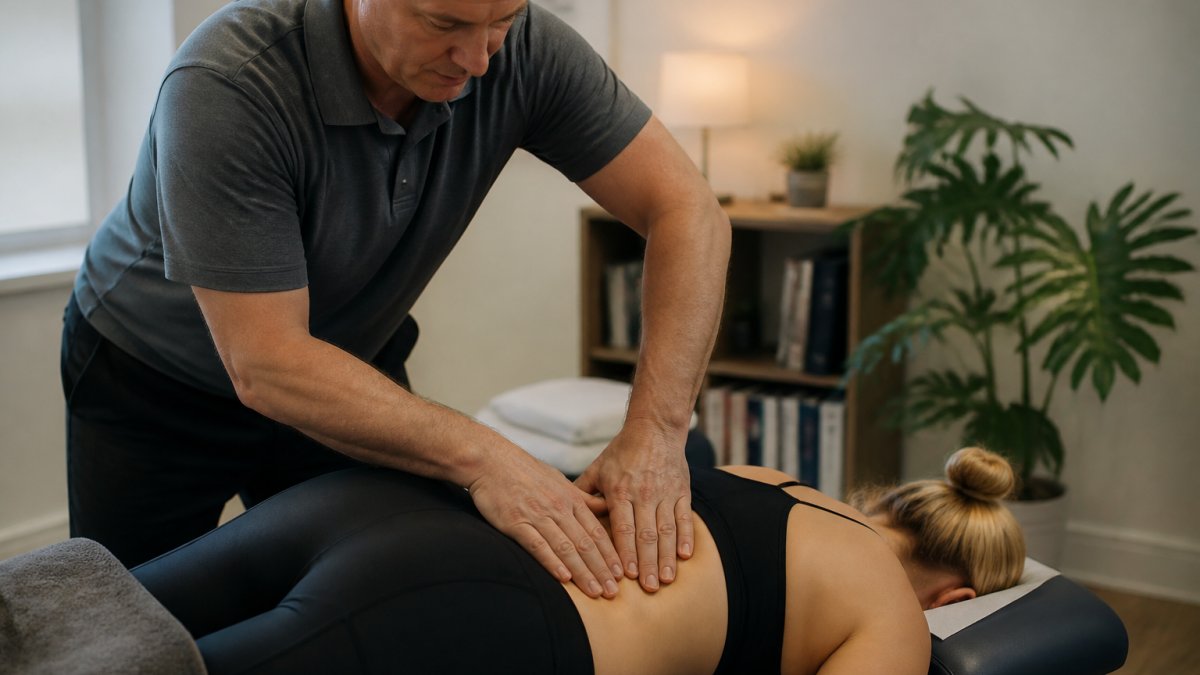
Research from the American Chiropractic Association shows that spinal manipulation can reduce pain and improve function in patients with lower-back pain.
Reducing Muscle Tension and Mechanical Stress
Tight muscles pull your spine out of alignment. Releasing that tension is critical for lasting relief.
- Soft tissue therapy targets knots and tight spots in your muscles
- Stretching improves flexibility and range of motion
- Trigger point release breaks the pain-tension cycle
- Heat or ice therapy reduces inflammation
Mechanical stress happens when your body works against itself. Poor posture creates stress. Weak muscles create stress. Repetitive motions create stress.
Back Pain Prevention Exercises to Strengthen Your Spine
Exercise is the single most important thing you can do to prevent recurring back pain. Learn specific exercises that complement chiropractic back treatment. Medication and adjustments help, but they won't stick without a strong spine. Strong muscles support your spine and keep it aligned.
Core Strengthening Progressions
Your core is more than your abs. It includes your deep abdominal muscles, your back muscles, and your pelvic floor. These muscles work together to stabilize your spine during movement.
Week 1-2: Foundation
- Dead bug hold: lie on your back, raise one arm and opposite leg
- Bird dog: on hands and knees, extend one arm and opposite leg
- Glute bridge: lie on your back, push through heels to raise hips
- Do each for 30 seconds, rest, repeat 3 times
Week 3-4: Build Strength
- Plank hold: start on forearms, hold for 20-30 seconds
- Side plank: support your body on one forearm and side of foot
- Superman hold: lie face down, lift arms and legs slightly
- Do each for 30 seconds, rest, repeat 3 times
Week 5+: Increase Challenge
- Plank with arm reaches: hold plank, lift one arm forward
- Side plank with hip dips: lower and raise hip in controlled motion
- Deadbug with resistance band: add band around legs for extra challenge
- Do each for 45 seconds, rest, repeat 3 times
Flexibility and Mobility Work
-
Knee-to-chest stretch: lie on your back, pull one knee to chest
-
Cat-cow stretch: on hands and knees, alternate arching and rounding your back
-
Child's pose: kneel, sit hips back to heels, reach arms forward
-
Piriformis stretch: lie on your back, cross one leg over the other, pull toward chest
-
Quad stretch: standing, pull one foot toward your buttocks
-
Hip circles: stand on one leg, make slow circles with the other knee
-
Spinal rotations: sit upright, gently twist left and right
-
Shoulder rolls: roll shoulders backward 10 times, then forward 10 times
-
Torso side bends: stand with feet shoulder-width apart, reach one arm overhead and lean gently
Core strengthening exercises progress in difficulty over five weeks to build spine support. (Source: the Centers for Disease Control and Prevention)
| Week | Exercise | Duration | Repetitions |
|---|---|---|---|
| 1-2 | Dead bug hold | 30 seconds | 3 times |
| 1-2 | Bird dog | 30 seconds | 3 times |
| 1-2 | Glute bridge | 30 seconds | 3 times |
| 3-4 | Plank hold | 20-30 seconds | 3 times |
| 3-4 | Side plank | 30 seconds | 3 times |
| 3-4 | Superman hold | 30 seconds | 3 times |
| 5+ | Plank with arm reaches | 45 seconds | 3 times |
| 5+ | Side plank with hip dips | 45 seconds | 3 times |
Lifestyle Changes to Prevent Back Pain Recurrence
Your daily habits matter more than you think. Small changes add up to big results over time. These changes work best when combined with chiropractic care and exercise.
Posture and Spinal Alignment in Daily Activities
Good posture means:
- Ears aligned over shoulders
- Shoulders relaxed, not hunched
- Chest open, not collapsed
- Spine in neutral position (natural curve, not flattened or exaggerated)
- Weight balanced evenly on both feet
Sitting: Adjust your chair so your feet touch the ground and your knees are at 90 degrees. Sit back in the chair, not on the edge. Take breaks every 30 minutes to stand and stretch.
Standing: Distribute weight evenly. Avoid locking your knees. Engage your core lightly. Think about standing tall without tension.
Sleeping: Sleep on your side or back, not your stomach. Use a pillow that supports your neck. Place a pillow between your knees if you sleep on your side.
Bending: Bend at your knees and hips, not your lower back. Keep the object close to your body. Avoid twisting while holding weight.
Ergonomics at Work and Home
Desk Setup:
- Monitor at eye level, arm's length away
- Keyboard and mouse at elbow height
- Chair supporting your lower back curve
- Feet flat on floor or footrest
Standing Desk Tips:
- Alternate between sitting and standing every 30 minutes
- Wear supportive shoes
- Use a standing desk mat to reduce leg fatigue
- Keep your posture the same as when sitting
Home Ergonomics:
- Couch: use a lumbar support pillow behind your lower back
- Bed: choose a mattress that supports your spine (not too soft, not too firm)
- Kitchen: keep frequently used items at waist height
- Lifting: bend knees, keep load close, avoid twisting
the Occupational Safety and Health Administration's ergonomics guidance recommends these adjustments to reduce strain and prevent injury.
Ongoing Care and Prevention of Recurring Pain
Prevention is always cheaper and easier than treating recurring pain. Learn how frequently you should maintain chiropractic treatment. A few visits per month for maintenance beats several visits per week during a pain flare-up.
Red Flags: When to Seek Medical Evaluation
Some situations require medical evaluation before starting treatment.
Seek medical attention if you experience:
- Severe pain that doesn't improve with rest
- Pain after a fall or accident
- Numbness or tingling in your legs or feet
- Loss of bladder or bowel control
- Unexplained weight loss
- Fever with back pain
- Pain that radiates down one leg below the knee
- Weakness in your legs
These symptoms can indicate serious conditions that need medical diagnosis. Your doctor may order imaging like X-rays or MRI.
Also tell your chiropractor about:
- Recent surgeries
- Current medications
- Osteoporosis or bone density issues
- Blood clotting disorders
- Recent injections or other treatments
Schedule Your Chiropractic Consultation
Natural Healing Arts Medical offers comprehensive chiropractic care and wellness solutions. Dr. David Zamikoff leads the practice.
Ready to discuss your back pain? Learn what to expect during your first chiropractic visit for back pain. Schedule an appointment with Natural Healing Arts Medical.
Frequently Asked Questions
Can chiropractic care help prevent recurring back pain?
Natural Healing Arts Medical offers comprehensive chiropractic care and wellness solutions. Schedule an appointment to discuss your concerns with a qualified professional.
What exercises can help reduce the risk of back pain returning?
A qualified professional can discuss whether exercise is appropriate for your circumstances.
How often should I see a chiropractor for recurring back pain?
Visit frequency depends on individual circumstances. Schedule an appointment with Natural Healing Arts Medical to discuss your needs.
What should I do at home to keep back pain from coming back?
A qualified professional can discuss general options for managing recurring back pain.
Stop treating back pain as something that happens to you. Start treating it as something you can prevent. Chiropractic care combined with exercise and smart lifestyle choices creates the foundation for lasting relief. Natural Healing Arts Medical offers comprehensive chiropractic care, personalized exercise guidance, and ongoing maintenance support to keep your spine healthy and pain-free.