 how-to
How Do You Sleep With Chronic Sciatica Pain?
Last Updated: November 2, 2026
Quick Summary
The best way to sleep with sciatica is to keep your spine, hips, and pelvis in a neutral line and take pressure off the irritated nerve. Side sleeping with a pillow between your knees or back sleeping with your knees supported usually works best, while stomach sleeping often makes sciatica worse.
- Place a firm pillow between your knees when you sleep on your side.
- Slide a pillow under your knees when you sleep on your back.
- Avoid sleeping on your stomach with your back arched, since it narrows the space where the nerve exits the spine.
- Apply a warm pack to your lower back for 15 to 20 minutes before bed.
- See a healthcare provider if numbness or weakness worsens or pain lasts several weeks.
Table of Contents
- Why Sciatica Makes Sleep So Hard
- The Best Sleeping Position for Sciatica and Lower Back Pain
- The Worst Sleeping Position for Sciatica
- Sciatica Stretches You Can Do in Bed
- Sleeping with Sciatica Dos and Don'ts
- A Step-by-Step Bedtime Routine for Nighttime Pain
- When Persistent Sciatica Needs a Professional Evaluation
- Frequently Asked Questions
Why Sciatica Makes Sleep So Hard
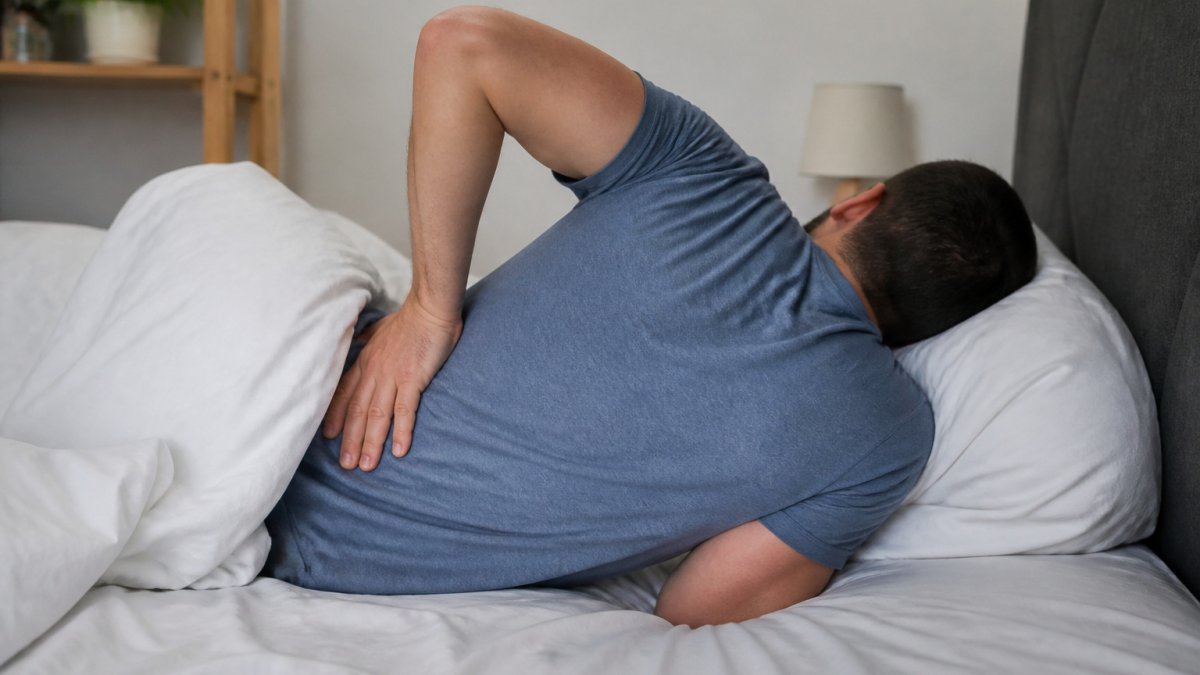
Sciatica is pain that travels along the sciatic nerve, the longest nerve in the body, running from the lower back through the buttock and down the back of each leg. Night makes it worse for many people, and trying to sleep with sciatica can feel especially hard.
Many people with chronic sciatica notice the same pattern, and sleep can become harder over time. They feel fine sitting or walking, then wake up at 2 a.m. with burning or tingling down one leg. That cycle of poor sleep and increased pain can make everything else harder.
Here's the good news: small changes to how you lie down can make a difference. This guide walks through positions, pillow setups, stretches, and a bedtime routine you can start tonight.
The Best Sleeping Position for Sciatica and Lower Back Pain
The best sleeping position for sciatica keeps your spine, hips, and pelvis in a neutral line and takes pressure off the irritated nerve. For a closer look at position choices for lower back pain, see sleeping positions for lower back pain. For most people, that means side sleeping or back sleeping with the knees supported. Stomach sleeping usually makes things worse.
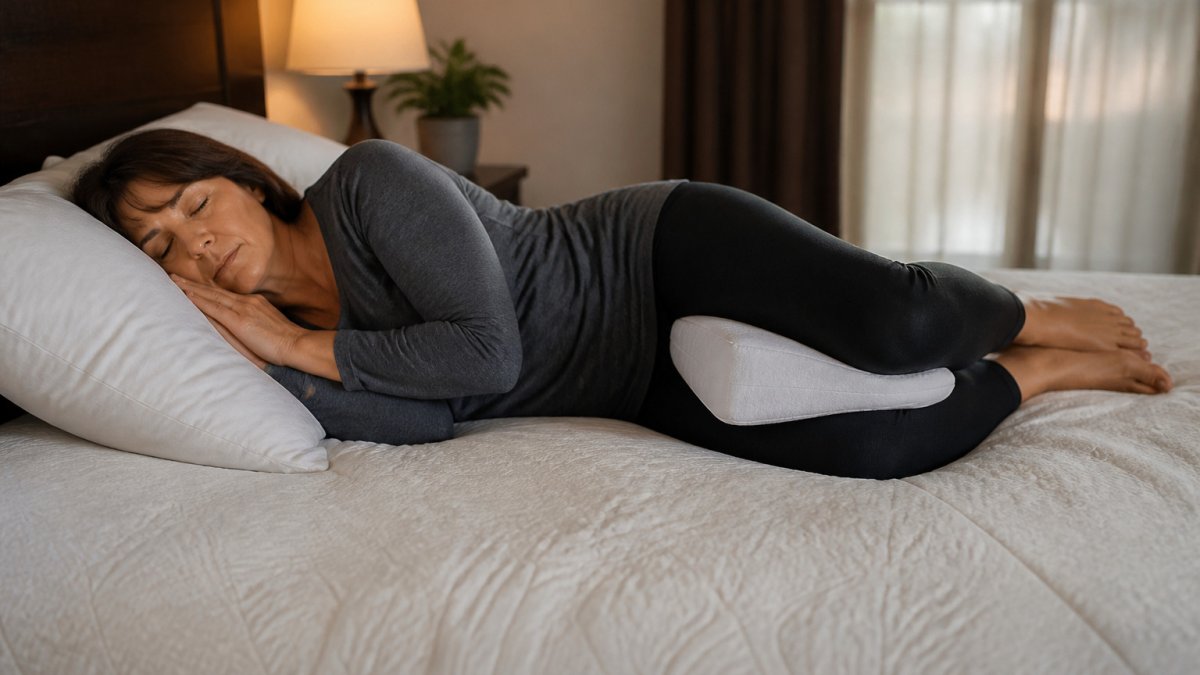
Choose the position that feels least painful for your specific symptoms, then adjust with pillows. You can also find positions that work for ongoing back pain at night.
Side Sleeping on the Pain-Free Side
Side sleeping often works well for lower back pain. Lie on the side that hurts least, and keep your knees bent slightly.
Place a firm pillow between your knees. This keeps the top hip from pulling your lower spine out of line. Some people also tuck a small pillow under the waist to fill the gap between the mattress and their side.
- Lie on your pain-free side
- Bend your knees slightly toward your chest
- Put a pillow between your knees
- Hug a second pillow if you feel the need to roll forward
Back Sleeping with Knees Elevated
Back sleeping can ease pressure on the lower spine when your mattress feels supportive. Slide a pillow under your knees so they rest slightly bent. This small lift reduces tension on the sciatic nerve.
A thin pillow or rolled towel under the small of your back can also help. Don't stack too many pillows under your head, or your neck may start to ache.
The Worst Sleeping Position for Sciatica
Sleeping on your stomach is usually the worst choice for sciatica. Lying face down arches the lower back, which narrows the space where the sciatic nerve exits the spine, and it forces you to turn your head to one side for hours.
Stomach sleeping is not the only position that can backfire. Watch for these patterns, because each one can load the spine unevenly across a full night:
- Twisting at the waist. If your shoulders face the mattress but your hips roll toward the ceiling, your lower spine stays rotated for hours. This is common in side sleepers who roll partway onto their stomach.
- Crossing the top leg over the bottom one. It looks harmless, but it pulls the top hip forward and rotates the pelvis, which can pinch the nerve on the side you are lying on.
- Sleeping in a recliner or on a soft couch. A deep sag lets the hips sink below the shoulders, so the lower back curves instead of staying neutral.
- Stacking pillows under the head only. A tall pillow tilts the neck and pushes the upper back forward, which flattens the natural curve of the lower back.
If you tend to roll onto your stomach in the night, you do not have to fight it with willpower.
Watch out: if a position reliably sends sharp pain, numbness, or tingling down your leg within minutes, stop using it and try a different setup rather than waiting for it to settle.
One more caution: the "worst" position is not the same for everyone. Sciatica has different causes, including a herniated disc, spinal stenosis, and piriformis tightness, and the position that aggravates one cause may relieve another.
Sciatica Stretches You Can Do in Bed
Gentle movement before sleep can loosen tight muscles and calm nerve irritation. For a structured set of exercises that complement back treatment, see exercises to complement chiropractic back treatment. Keep every stretch slow and stop if pain spreads or gets sharper.
- Knee-to-chest stretch: Lie on your back and gently draw one knee toward your chest. Hold for 20 to 30 seconds, then switch sides.
- Pelvic tilts: Lie on your back with knees bent. Gently flatten your lower back against the bed, hold for five seconds, and release. Repeat 8 to 10 times.
- Figure-four stretch: Lie on your back, cross one ankle over the opposite knee, and gently pull the bottom thigh toward you. Hold for 20 seconds per side.
- Supine piriformis stretch: Keep the same figure-four position and let the bent knee fall gently to the side for a deeper hip stretch.
Sleeping with Sciatica Dos and Don'ts
Small habits add up across a full night of sleep. Use this quick checklist:
Do:
- Keep a pillow between your knees when side sleeping
- Use a supportive, medium-firm mattress if your current one sags
- Apply a warm pack to your lower back for 15 to 20 minutes before bed
- Get up slowly, rolling to your side first, then pushing up with your arms
Don't:
- Sleep on your stomach with your back arched
- Cross your legs while lying down
- Sleep in a twisted position with your upper body facing one way and your hips the other
- Lie on a mattress that makes you sink into a sag
A Step-by-Step Bedtime Routine for Nighttime Pain
Most sleep advice for sciatica stops at "get into a good position." For chronic symptoms, the harder problem is the whole night: falling asleep, staying asleep, and handling the 2 a.m. wake-up without making the next day worse.
Two hours before bed
- Stop heavy lifting, long stretches of sitting, and any activity that reliably flares the leg pain. If you must sit, get up every 20 to 30 minutes and walk briefly.
- Take stock of your pain level on a simple 0-to-10 scale and write it down. This becomes your baseline for judging whether the night went better or worse.
Thirty to sixty minutes before bed
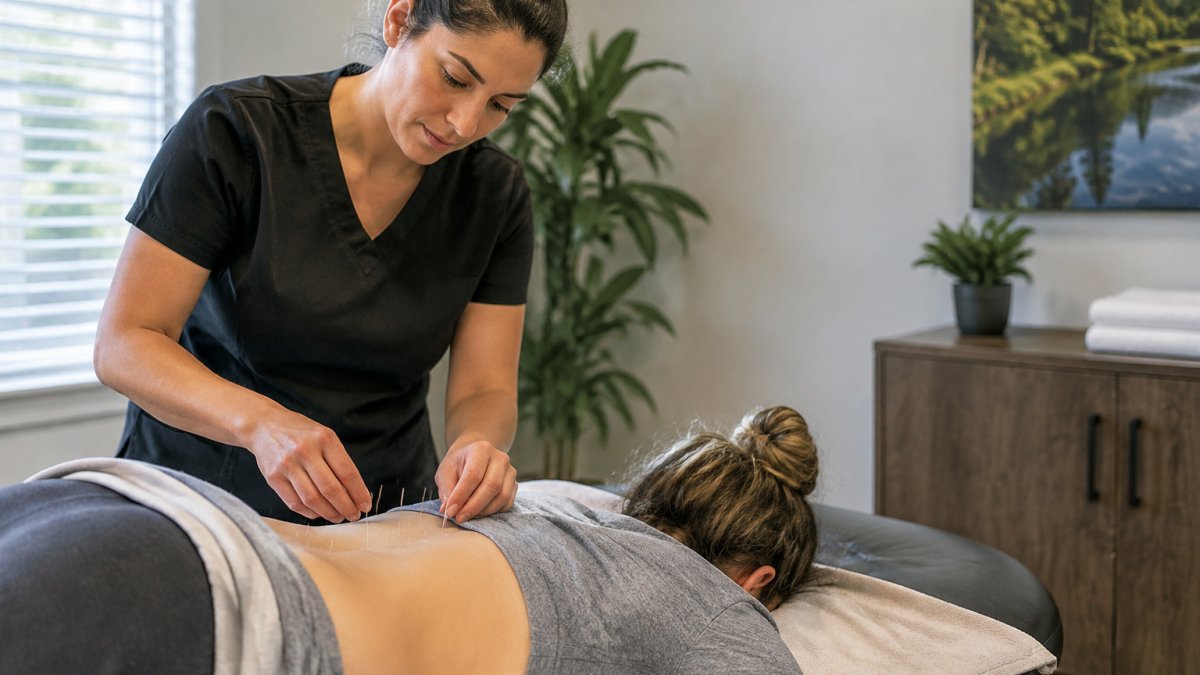
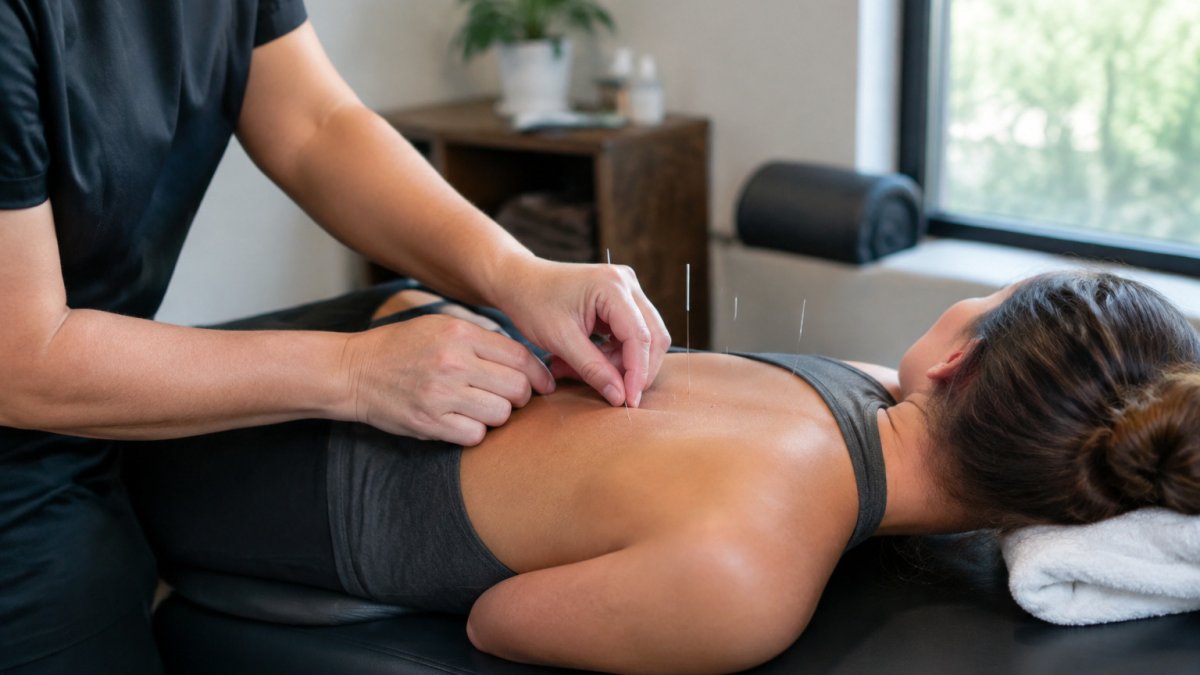
- Apply a warm pack to the lower back or buttock for 15 to 20 minutes. If you are looking for non-drug options for nighttime pain, read about acupuncture for chronic back pain and what to expect. Warmth relaxes tight muscles, which is why many people find it easier to settle afterward. Keep it off bare skin if it feels too hot.
- Dim the lights and put screens away. Pain makes it easy to lie awake brooding, and bright light and scrolling make that worse.
Fifteen minutes before bed
- Do two or three gentle stretches from the list above, such as knee-to-chest and pelvic tilts. Keep them slow and stop short of any sharp or spreading pain.
- Set up your sleep position before you get drowsy: pillow between the knees for side sleeping, or under the knees for back sleeping, plus a thin support at the waist or lower back if it helps.
At bedtime
- Get into bed using the roll-to-your-side method rather than sitting up and twisting.
- If you are not asleep after about 20 minutes, get up, sit in a chair with good support, and do something quiet in low light until you feel sleepy. Lying in bed frustrated teaches your brain to associate the bed with pain and wakefulness.
If you wake in pain during the night
- Change position slowly and deliberately. Roll to your side first, then adjust pillows, rather than sitting bolt upright.
- Try a brief, gentle stretch in bed, such as a knee-to-chest hold, if movement usually helps you.
- If pain is keeping you awake for more than 20 to 30 minutes, get up and repeat the wind-down steps rather than staying in the same position.
- Keep a glass of water and any recommended heat pack within reach so you are not stumbling around in the dark.
In the morning
- Log your pain level, how many times you woke, and which position you used. A simple notebook or phone note is enough.
- If you wake stiff, take a short walk and do your stretches before sitting down for the day.
A common approach is to change one variable at a time, such as the pillow setup, the pre-bed activity, or the mattress, so you can tell what helped. Change one thing at a time so you can tell what helped.
Watch out: do not use this routine as a substitute for care if your symptoms are worsening. Repeated awakenings, pain that spreads farther down the leg, or new weakness are signals to check in with a clinician rather than to keep tweaking pillows.
When Persistent Sciatica Needs a Professional Evaluation
Most sciatica improves with simple changes over several weeks (the NHS). But some symptoms need prompt medical attention. Contact a qualified healthcare provider if you notice:
- Numbness or weakness that is getting worse
- Pain that continues for several weeks despite self-care
- Loss of bladder or bowel control, which needs emergency care right away
- Pain that is severe and does not ease with rest or position changes
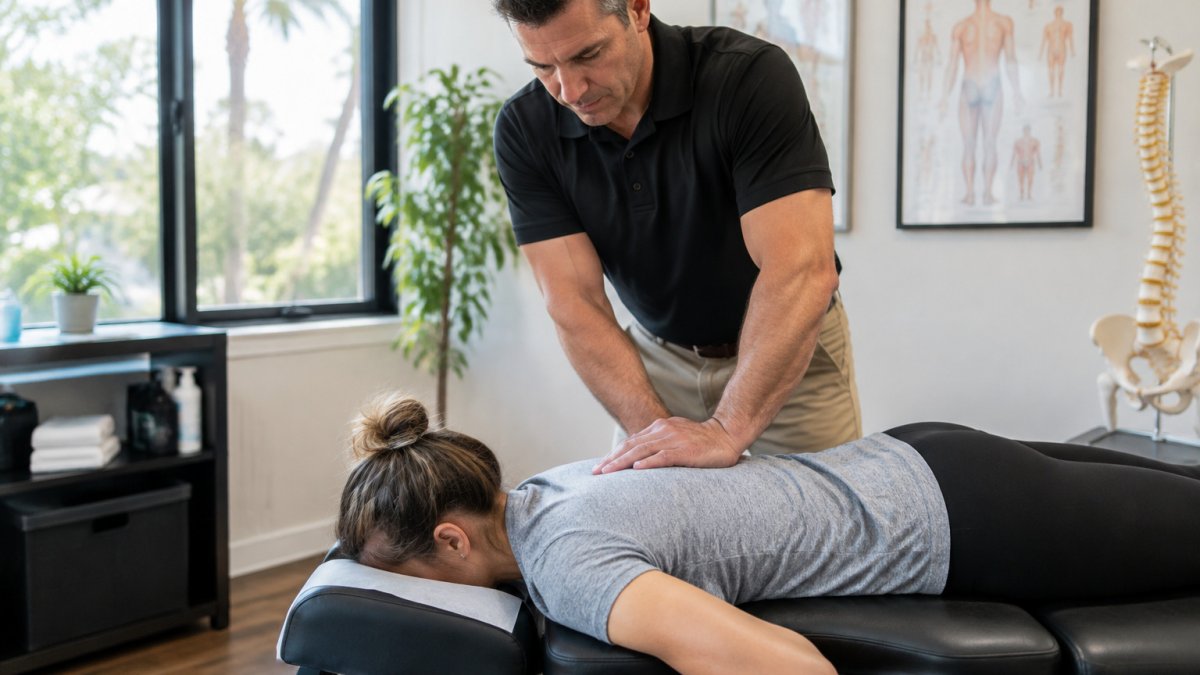
A professional can help figure out the cause of your symptoms and suggest a plan that fits your health history. If you are weighing options, this guide explains how to choose a reputable chiropractor before booking an evaluation. Natural Healing Arts Medical offers chiropractic care for lower back pain and related symptoms in Bradenton, FL, and you can discuss your options at a consultation. This article offers general information, not individual medical advice, so check with a qualified professional about your own symptoms.
Frequently Asked Questions
What is the best sleeping position for sciatica?
Many people with sciatica find side sleeping on the pain-free side most comfortable, with a pillow placed between the knees to keep the hips and pelvis aligned. Back sleeping with a pillow under the knees is another option that reduces strain on the lower back. The right position depends on where your symptoms are and how your body responds, so test a few options and notice which one reduces night-time pain. If pain stays severe in every position, ask a qualified clinician to review your symptoms.
Should I sleep on my side or back with sciatica?
Either can work, and the better choice depends on your symptoms. Side sleeping with the knees slightly bent and a pillow between them often eases pressure on the hips and lower back. Back sleeping with a pillow under the knees keeps the spine in a more neutral position for some people. Avoid positions that twist the spine or leave one hip rotated for long periods. A supportive, medium-firm mattress helps whichever position you choose.
Can stretches in bed help relieve sciatica pain?
Gentle stretches done in bed may ease tension and make it easier to get comfortable at night. Options include drawing one knee toward the chest while lying on your back, or a gentle pelvic tilt. Move slowly, stop if pain increases or radiates down the leg, and avoid forceful movements. Stretches are general information rather than a treatment plan, so check with a qualified professional before starting a routine, especially if you have a history of disc injury or weakness.
When should I see a doctor about sciatica that keeps me up at night?
Seek medical assessment if sciatica is persistent, worsening over time, or keeping you awake most nights despite position changes. Get urgent care for new numbness in the groin or inner thighs, new bladder or bowel control problems, or rapidly increasing leg weakness. A qualified provider can evaluate the cause, discuss options, and help you build a treatment plan. Natural Healing Arts Medical offers consultations in Bradenton, FL; contact the office or visit its website to schedule an appointment.