 how-to
Therapeutic Massage Techniques for Neuromuscular Recovery
Table of Contents
- Understanding Neuromuscular Massage and Therapy
- How Neuromuscular Massage Differs From Deep Tissue and Swedish Massage
- Trigger Point Massage for Muscle Knots and Referred Pain
- Deep Tissue Massage for Muscle Recovery and Healing
- Massage Techniques for Muscle Soreness and Common Treatment Areas
- Step-by-Step Self-Care Techniques and When to Seek Professional Help
- Recovery Protocols, Timing, and Aftercare
- Contraindications and When to Avoid Massage
- Frequently Asked Questions
Last Updated: October 17, 2026
Understanding Neuromuscular Massage and Therapy
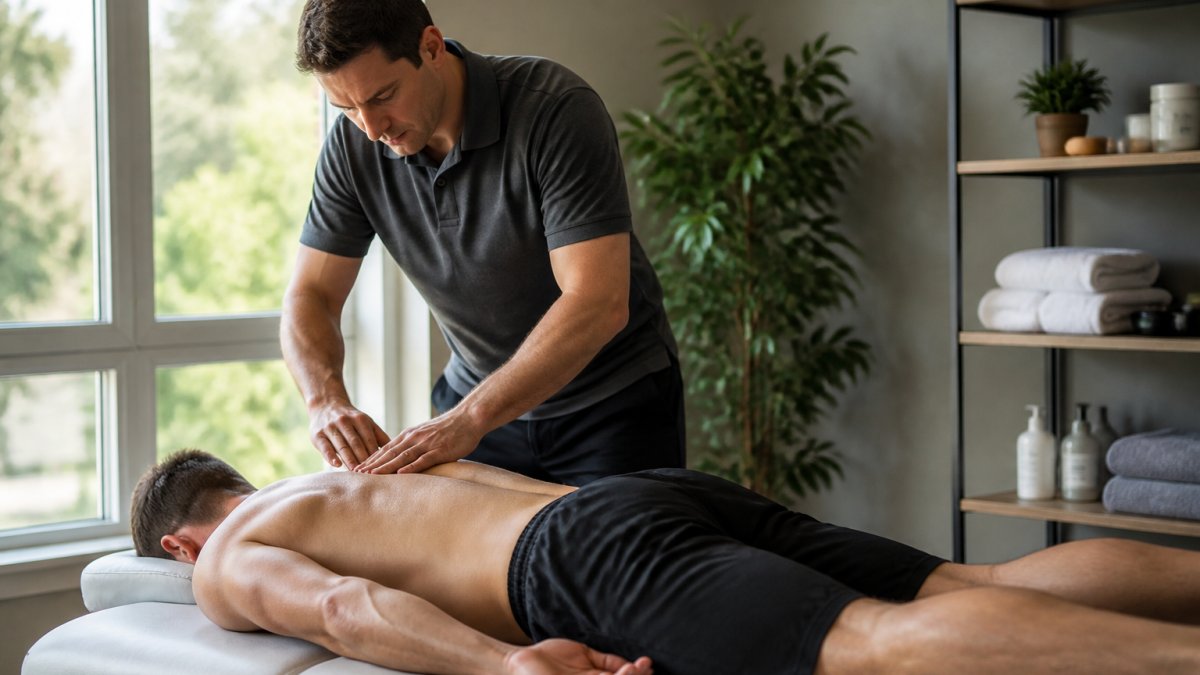
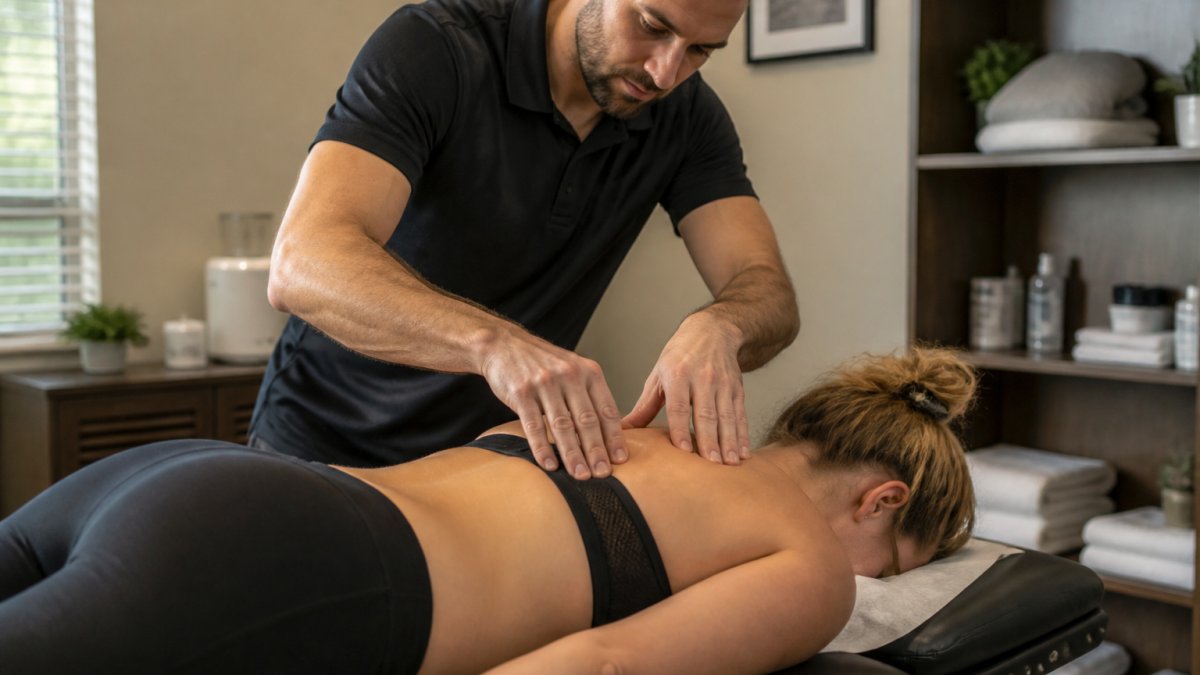
Neuromuscular massage is a therapeutic technique that uses targeted pressure to release muscle tension and alleviate pain. It focuses on specific trigger points and areas of muscle strain to improve circulation and promote healing.
At Natural Healing Arts Medical, we use therapeutic massage techniques for neuromuscular recovery to help patients address chronic pain and muscle tension.
The technique works by applying focused pressure to areas where muscle fibers have become knotted or restricted. This pressure helps break down adhesions, areas where muscle tissue has stuck together, and restores normal blood flow to the affected area. Better circulation means faster healing and reduced inflammation.
Many people experience muscle tension from daily activities like sitting at a desk, repetitive movements, or physical strain. Neuromuscular massage addresses this directly by targeting the specific muscles causing discomfort.
How Neuromuscular Massage Differs From Deep Tissue and Swedish Massage
Different massage styles serve different purposes. Understanding the distinctions helps you choose the right approach for your recovery needs.
Swedish massage uses broad gliding strokes to promote relaxation and improve circulation. It's gentler and focuses on overall stress relief rather than addressing specific muscle problems. The therapist uses long, flowing movements across larger areas of the body.
Deep tissue massage applies stronger pressure to reach muscle layers beneath the surface. However, it often uses general pressure across broad areas rather than targeting specific trigger points.
Therapeutic massage techniques for neuromuscular recovery differ in several important ways:
- Precision: Targets specific trigger points and tight muscle fibers instead of broad areas
- Pressure type: Uses sustained, focused digital pressure rather than gliding strokes
- Duration: Holds pressure longer on problem areas to release chronic tension
- Goal: Addresses muscle dysfunction and pain relief, not just relaxation
- Assessment: The therapist evaluates movement patterns to identify the real source of discomfort
The key difference is specificity. Neuromuscular therapy identifies exactly where muscle tissue has become restricted and applies targeted treatment to that spot. This makes it more effective for chronic muscle pain and injury recovery.
Trigger Point Massage for Muscle Knots and Referred Pain
Trigger points are small areas of tight muscle fiber that cause localized pain and often send pain to other parts of the body. Understanding how they work helps explain why you might feel pain in your shoulder when the actual problem is in your neck.
A trigger point develops when muscle fibers contract and don't fully relax. This creates a tight knot that restricts blood flow and builds up waste products in the tissue. The area becomes sensitive and painful.
Referred pain happens when a tight muscle in one area sends pain signals to a different part of the body. For example, a trigger point in the upper back can cause headaches. A tight muscle in the hip can cause knee pain.
Trigger point massage works by applying sustained pressure directly to the tight knot. The therapist holds pressure for 10-30 seconds while you breathe deeply. This pressure:
- Increases blood flow to the restricted area
- Helps the muscle fibers relax and lengthen
- Reduces the buildup of metabolic waste
- Interrupts the pain signal being sent to other areas
The relief is often immediate.
Common trigger point locations include:
- Upper back and shoulders (causes headaches and neck pain)
- Lower back (causes hip and leg pain)
- Hip muscles (causes knee and lower leg pain)
- Neck muscles (causes jaw pain and headaches)
Deep Tissue Massage for Muscle Recovery and Healing
Deep tissue massage reaches the layers of muscle beneath the surface. This approach helps with muscle recovery by improving circulation and breaking down scar tissue that forms after injury.
When muscles are injured, scar tissue develops as part of the healing process. While scar tissue is necessary, it can restrict movement and cause ongoing stiffness. Deep tissue massage helps soften this scar tissue and restore normal muscle function.
The healing process after muscle strain or injury follows a predictable pattern. Immediately after injury, inflammation increases to protect the area. Over the next few days, the body begins laying down new tissue. Without proper treatment, this new tissue can become tight and restricted.
Therapeutic massage techniques for neuromuscular recovery accelerate this healing by:
- Increasing blood flow to deliver oxygen and nutrients
- Breaking down restrictive scar tissue
- Reducing inflammation that limits movement
- Promoting tissue remodeling for stronger, more flexible muscle
Recovery time depends on injury severity.
Massage Techniques for Muscle Soreness and Common Treatment Areas
Muscle soreness appears in different forms. Acute soreness from recent injury feels sharp and tender. Delayed-onset muscle soreness (DOMS) develops 24-48 hours after intense activity and feels like a dull ache. Chronic soreness persists for weeks or longer.
Each type responds best to different techniques. Acute soreness needs gentle treatment to avoid further damage. DOMS responds well to light massage that improves circulation. Chronic soreness requires sustained pressure on tight areas to release deep tension.
Lower Back and Hip Treatment
Lower back pain ranks among the most common complaints we address (Low Back Pain). The lower back supports your entire upper body, so tension here affects posture and mobility throughout your body.
Lower back muscle soreness often comes from:
- Sitting for long periods
- Poor lifting technique
- Weak core muscles
- Muscle strain from sports or physical work
The massage approach focuses on the erector spinae muscles that run along the spine, the quadratus lumborum on the side of the spine, and the deep abdominal muscles. Sustained pressure on these areas releases tension and restores normal movement patterns.
Hip tension frequently causes lower back pain. Tight hip muscles pull on the lower back and create referred pain. Addressing hip muscles often provides more relief than treating the back directly.
Neck and Shoulder Release
Neck and shoulder tension develops from poor posture, stress, and repetitive movements. The upper trapezius muscle, the large muscle at the top of your shoulder, holds tension from stress and forward head posture.
This area benefits from targeted pressure combined with gentle stretching. The massage releases the tight muscle while movement helps restore normal length and function.
Step-by-Step Self-Care Techniques and When to Seek Professional Help
You can apply basic neuromuscular techniques at home for maintenance and mild soreness. Self-care complements professional treatment but shouldn't replace it for serious pain or injury.
Self-massage steps for muscle tension:
- Identify the tight area - Feel along the muscle to find the knot or restricted spot
- Apply sustained pressure - Use your thumb or fingers to press directly on the tight spot
- Hold for 20-30 seconds - Maintain steady pressure while breathing deeply
- Release slowly - Don't jab or release suddenly; ease off gradually
- Repeat 2-3 times - Work the same area multiple times in one session
- Move through the muscle - Work along the length of the muscle from origin to insertion
Effective self-care tools include:
- Thumbs and fingers for small, precise areas
- Massage balls for trigger points on the back and hips
- Foam rollers for larger muscle groups
- Lacrosse balls for hard-to-reach spots
Seek professional help when:
- Pain persists beyond two weeks despite self-care
- You can't identify the source of your pain
- Pain limits your normal activities
- You have numbness or tingling (possible nerve involvement)
- Pain follows an injury or accident
- Self-massage makes the pain worse
Professional therapists assess movement patterns and identify problems you might miss on your own. They apply therapeutic massage techniques for neuromuscular recovery with precision that's difficult to achieve alone.
Recovery Protocols, Timing, and Aftercare
Recovery from muscle tension follows a structured approach. The timeline depends on how long the problem has existed and how severe it is.
Acute muscle soreness (recent injury):
- Frequency: 2-3 sessions per week for 2-3 weeks
- Session length: 30-45 minutes
- Focus: Gentle techniques to avoid further damage
Chronic muscle tension (ongoing for months):
- Frequency: 1-2 sessions per week for 4-8 weeks
- Session length: 45-60 minutes
- Focus: Sustained pressure on deep restrictions
Maintenance (after initial improvement):
- Frequency: 1 session per month
- Session length: 30-45 minutes
- Focus: Prevent tension from returning
Aftercare determines how well the benefits last. Immediately after a session:
- Rest for at least 2-4 hours if possible
- Drink extra water to help flush metabolic waste
- Apply heat if muscles feel sore
- Avoid strenuous activity for 24 hours
- Perform gentle stretching to maintain the release
The first 24-48 hours after treatment are critical. Proper aftercare locks in the benefits.
Contraindications and When to Avoid Massage
Massage isn't appropriate for every situation. Certain conditions require medical attention before massage can be safely applied.
Avoid massage if you have:
- Acute inflammation or swelling from recent injury
- Fever or active infection
- Blood clots or thrombosis
- Severe osteoporosis with fracture risk
- Open wounds or skin infections
- Recent surgery without doctor approval
- Severe pain that suggests serious injury
Use caution with:
- Diabetes (reduced sensation may hide problems)
- Autoimmune conditions (massage may trigger flare-ups)
- Cancer treatment (check with your oncologist)
- Pregnancy (requires specialized prenatal massage)
- High blood pressure (intense pressure may elevate it further)
The safest approach is consultation before starting. A qualified therapist assesses your medical history and current condition to determine if massage is appropriate.
At Natural Healing Arts Medical, Dr. David Zamikoff evaluates each patient's specific situation before recommending therapeutic massage techniques for neuromuscular recovery. Some patients benefit from combining massage with other treatments like chiropractic care or physical therapy for faster recovery.
Certain conditions respond better to professional treatment than self-care. Whiplash from car accidents, disc injuries, and work-related strain require skilled assessment and targeted treatment. Our team has helped countless patients achieve their wellness objectives through comprehensive, compassionate care.
Frequently Asked Questions
What does a neuromuscular massage consist of?
Neuromuscular massage combines targeted pressure, friction, and digital pressure techniques applied to specific muscle groups and trigger points. A typical session involves assessment of muscle tension and pain patterns, sustained pressure on problem areas to release knots, and broad gliding strokes to improve circulation and tissue healing. Sessions usually last 30-60 minutes and focus on the areas causing chronic pain or limiting mobility.
How do neuromuscular massage techniques differ from deep tissue massage?
Neuromuscular massage targets specific trigger points and referred pain patterns using precise, sustained pressure to address the root cause of muscle tension. Deep tissue massage applies broader, firmer strokes across larger muscle groups. Neuromuscular therapy requires specialized training in anatomy and pain referral patterns, making it more diagnostic and targeted, while deep tissue focuses on general muscle softening and relaxation.
Should I massage sore muscles if it hurts?
Gentle massage can help sore muscles by improving circulation and reducing tension, but sharp or severe pain is a warning sign to stop. Delayed-onset muscle soreness (DOMS) from exercise typically responds well to light therapeutic massage 24-48 hours after activity. Avoid aggressive pressure on acute injuries, fresh strains, or areas with swelling. When in doubt, consult a qualified therapist or healthcare provider to rule out serious injury before self-massage.
When should you avoid massage for muscle soreness?
Avoid massage immediately after acute injury, on areas with open wounds or severe bruising, or if you have fever, infection, or blood clots. Do not massage over recent fractures, unstable joints, or areas with inflammation from conditions like arthritis flare-ups without professional guidance. If you have disc injuries, nerve damage, or are on blood thinners, consult your healthcare provider before beginning any massage therapy to ensure safety and appropriate treatment.
If muscle tension or pain is limiting your activities, professional evaluation can identify the real cause and create an effective treatment plan. At Natural Healing Arts Medical, we combine therapeutic massage with other evidence-based approaches to restore your freedom of movement and help you reach your wellness goals. Schedule an appointment with Dr. Zamikoff to discuss how targeted neuromuscular recovery techniques can work for your specific situation.