 how-to
What to Expect After Your First Chiropractic Adjustment
Table of Contents
- What Happens During Your First Chiropractic Adjustment
- Soreness After a Chiropractic Adjustment: What's Normal
- How Long Does Soreness Last After a Chiropractic Adjustment?
- What Not to Do After a Chiropractic Adjustment
- How to Know If a Chiropractic Adjustment Is Working
- Your First 24-48 Hours: A Practical Recovery Timeline
- When to Call Your Chiropractor or Seek Medical Care
- Frequently Asked Questions
Last Updated: October 7, 2026
What Happens During Your First Chiropractic Adjustment
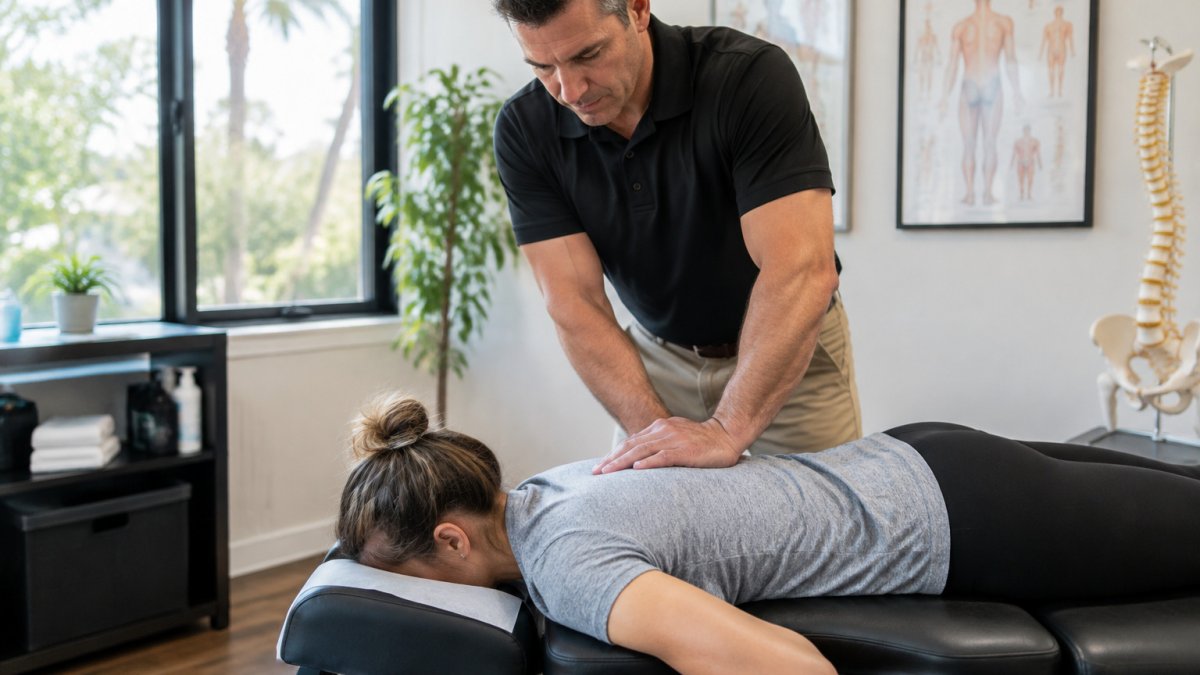
Most people leave their first chiropractic adjustment surprised by how ordinary it feels. There is no dramatic moment, no sudden jolt. Just a careful exam, some hands-on work, and a few clicks you may or may not hear.
At Natural Healing Arts Medical, we walk patients through every step before we touch anything. That matters, because fear of the unknown is the main reason people put off care for months.
Here is how a first visit usually goes:
- Health history. We ask about your pain, past injuries, surgeries, and medications.
- Physical and neurological exam. We check posture, range of motion, reflexes, and muscle strength.
- Explanation. You hear what we found and what we recommend, in plain language.
- The adjustment itself. This takes only a few minutes.
- Aftercare instructions. You leave knowing what to do for the next two days.
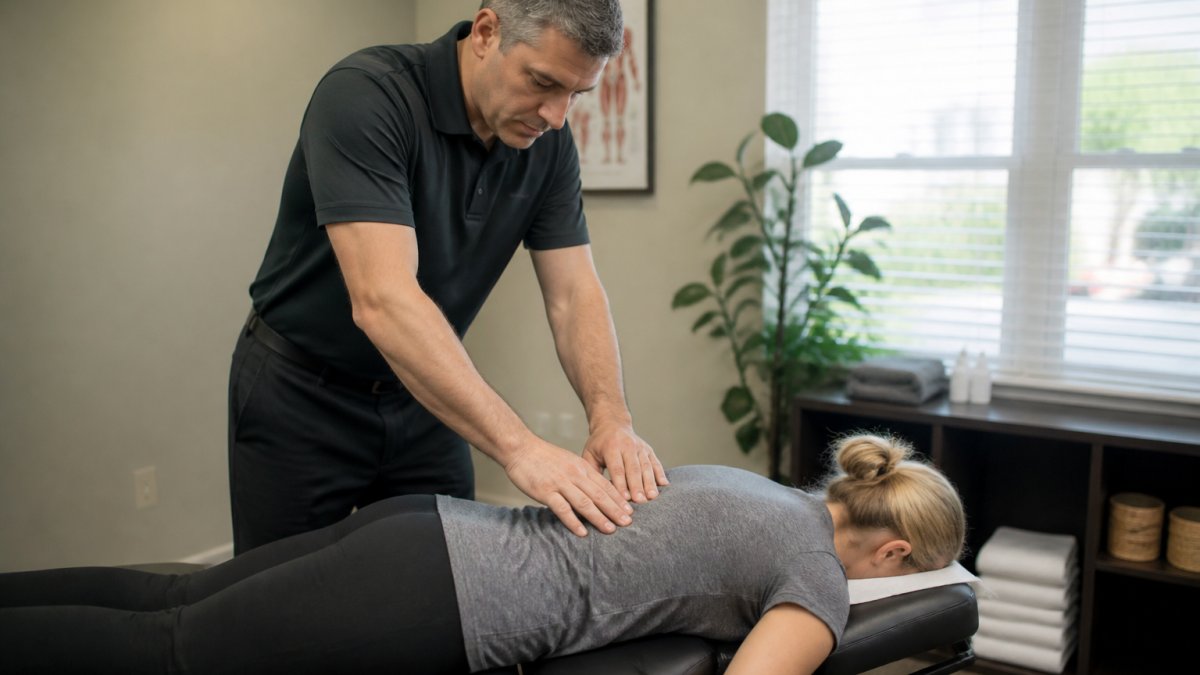
The adjustment is a controlled, gentle push applied to a specific joint. It moves the joint slightly past its normal range. That motion can release gas from the joint fluid, which is what makes the cracking or popping sound. The sound is not the goal, and plenty of effective adjustments are silent.
Soreness After a Chiropractic Adjustment: What's Normal
A useful way to think about it is mechanical. During an adjustment, a joint is taken slightly past its usual range, and the surrounding muscles, ligaments, and joint capsule are stretched and loaded in a way they may not be used to.
Normal soreness tends to look like this:
- A dull ache in the treated area, often described as "bruised" or "worked on"
- Mild stiffness that eases as you move around
- Slight tenderness to the touch over the treated muscles
- Tiredness or a heavy, relaxed feeling for a few hours
- A mild headache if the neck or upper back was treated
What is not normal, and what should prompt a call the same day:
- Sharp, stabbing, or electric-shock pain
- Numbness, tingling, or weakness in an arm, hand, leg, or foot
- Pain that gets worse each hour instead of easing
- Loss of bladder or bowel control, or saddle numbness (numbness around the groin and inner thighs)
- Severe headache, vision changes, dizziness, or slurred speech
- Fever, chills, or swelling that was not there before the visit
The last two groups are rare, but they are not wait-and-see symptoms. If you cannot reach your chiropractor, seek urgent medical care. A clinician would rather field a false alarm than miss a serious problem.
Many patients also notice the opposite of soreness. Some feel lighter, looser, and more relaxed within minutes. Others feel nothing at all on day one and notice changes two days later. Both responses are normal, and neither is a reliable sign that the adjustment "worked" or "didn't work."
How Long Does Soreness Last After a Chiropractic Adjustment?
Soreness usually fades within 24 to 48 hours. For most people, it peaks a few hours after the visit and eases by the next morning.
A few factors change that timeline:
- Your starting point. Chronic, long-standing pain often means a longer adjustment period.
- Your activity level. Sitting still all day slows things down. Gentle movement helps.
- Your age and fitness. Younger, more active patients often bounce back faster.
- How much was done. A first visit that addresses several areas can leave you sorer than a focused one.
If soreness lingers past three days or grows more intense, that is worth a phone call. It does not mean something went wrong, but it does mean your plan may need adjusting.
What Not to Do After a Chiropractic Adjustment
What you skip in the first day matters as much as what you do. The joint and muscle changes from an adjustment need a little time to settle.
Skip these for 24 to 48 hours:
- Heavy lifting or moving furniture
- High-impact exercise like running or jumping
- Long stretches of sitting without a break
- Sleeping in an awkward position
- Ignoring new or worsening symptoms (Source: mild inflammation, a bit of guarding, and a dull ache that fades as the tissue adapts)
Also, do not treat the adjustment as a one-time fix. If you go back to the same desk posture, the same lifting habits, and the same inactivity, the same problem returns. Chiropractic care works best alongside the changes we suggest, not instead of them.
How to Know If a Chiropractic Adjustment Is Working
Improvement after a chiropractic adjustment is rarely instant and rarely dramatic. It usually shows up as small changes you notice over days.
- You can turn your head or bend further than before
- Pain that used to spike now stays at a lower level
- You sleep through the night more often
- Headaches come less frequently
- You stand or sit straighter without thinking about it
Signs it may not be working for you:
- No change at all after several visits
- Pain that returns to the same level within hours
- New symptoms that were not there before
If you see the second list, tell your chiropractor. A good treatment plan changes based on how you respond. At Natural Healing Arts Medical, we adjust the plan rather than repeating the same routine every visit.
Your First 24-48 Hours: A Practical Recovery Timeline
The first two days follow a fairly predictable pattern for many patients, but "predictable" does not mean "identical." Use the timeline below as a map, not a script. The most useful thing you can do is track what you actually feel and compare it to the guidance here.
| Timeframe | What You May Feel | What to Do | When to Call |
|---|---|---|---|
| First 2-4 hours | Looser, lighter, sometimes tired or slightly "wobbly" | Rest, drink water, avoid heavy tasks and driving if you feel unsteady | If you feel faint, dizzy, or develop a severe headache |
| 4-12 hours | Mild ache may start; some feel nothing at all | Gentle walking, light movement, normal daily activity | If pain is sharp, shooting, or accompanied by numbness or weakness |
| 12-24 hours | Peak soreness for many people; stiffness on waking | Apply ice for 10-15 minutes if there is swelling; keep moving gently | If pain is worsening hour by hour or you cannot control your bladder or bowels |
| 24-48 hours | Soreness eases, mobility improves, energy returns | Return to normal activity; avoid heavy lifting and high-impact exercise | If soreness is worse than day one or new symptoms appear |
| After 48 hours | Most soreness gone for most people | Follow your plan, note changes for your next visit | If soreness persists past 3 days or keeps returning to the same level |
Two habits help most: drink water steadily, and keep moving gently. A short walk beats a full day on the couch. Prolonged stillness lets muscles stiffen, which can make the soreness feel worse than it is.
A few practical questions come up almost every first visit:
- Heat or ice? Ice is the safer default in the first 24 hours if there is any swelling or a hot, irritated feeling. Heat can feel good on tight muscles after the first day, but skip it if the area is swollen or inflamed. Follow whatever your chiropractor told you, their instructions override general advice.
- Pain relievers? Over-the-counter options like acetaminophen or ibuprofen are commonly used for post-adjustment soreness, but check with your chiropractor or pharmacist first, especially if you take blood thinners, have kidney or liver conditions, or take other medications. Do not mask pain to push through activity you would otherwise avoid.
- Can I exercise? Light movement, walking, easy stretching, normal daily tasks, is usually fine and often helpful. Save heavy lifting, running, jumping, and contact sports for after the 48-hour window, or until your chiropractor clears you.
- What if I feel nothing? That is a normal response too. Some people notice changes on day two or three, and some notice nothing after a single visit. Absence of soreness is not a sign the adjustment failed.
- What if I feel worse? A mild increase in soreness on day one is common. A steady worsening, new neurological symptoms, or pain that keeps climbing is not, call your chiropractor, and seek urgent care if you cannot reach them.
American Chiropractic Association patient resources on what to expect after treatment
When to Call Your Chiropractor or Seek Medical Care
Most after-effects are mild and short. Some symptoms need attention right away.
Call us if you notice:
- Pain that gets worse instead of better
- Numbness, tingling, or weakness in an arm or leg
- Trouble controlling your bladder or bowels
- Severe headache or vision changes
- Fever, chills, or unexplained swelling
That last group is rare, but it is not something to wait out. If you cannot reach your chiropractor, seek medical care.
For most patients, the first visit is the hardest part. Once you know what to expect, the rest is easier. Natural Healing Arts Medical offers surgery-free care, physical therapy during your treatment program, and we accept most health insurance and Medicare. We also offer flexible payment plans.
Frequently Asked Questions
Is it normal to feel sore after your first chiropractic adjustment?
Yes, temporary soreness after a chiropractic adjustment is common, especially after your first visit. Your joints and muscles are moving in ways they may not be used to, which can cause mild discomfort similar to post-workout soreness. This typically fades within 24 to 48 hours. Staying hydrated, using gentle heat, and light movement can help. If soreness is severe or lasts beyond a few days, contact your chiropractor.
Can you feel worse after your first chiropractic adjustment?
Some people do feel worse briefly before they feel better. Mild soreness, stiffness, or a headache can appear in the first day or two as your body adjusts to changes in spinal alignment and joint movement. This is usually temporary and improves with rest, hydration, and gentle activity. If your symptoms intensify or you develop numbness, weakness, or severe pain, call your chiropractor promptly to discuss your response.
What should you avoid doing after a chiropractic adjustment?
Skip heavy lifting, intense workouts, and prolonged sitting or standing in one position for the rest of the day. Avoid sleeping in awkward positions that strain your neck or back. Do not skip meals or forget to drink water, since hydration supports muscle recovery. Your chiropractor may also recommend avoiding certain movements based on your treatment plan. Follow their specific aftercare instructions for the best results.
How do you know if the chiropractic adjustment is working?
Signs an adjustment is working include improved range of motion, less stiffness, reduced pain intensity, and easier joint movement during daily activities. Some people notice immediate relief, while others see gradual improvement over several visits. Your chiropractor will track progress over time and adjust your treatment plan as needed. If you notice no change after several sessions, discuss it with your provider to explore other options.
Your first adjustment is a starting point, not a finish line. The soreness fades, the mobility returns, and the plan gets sharper with each visit. If chronic back pain, sciatica, whiplash, or knee osteoarthritis has been holding you back, we can help you move without surgery. Get started with Natural Healing Arts Medical and schedule an appointment to build a plan that fits your body and your goals.