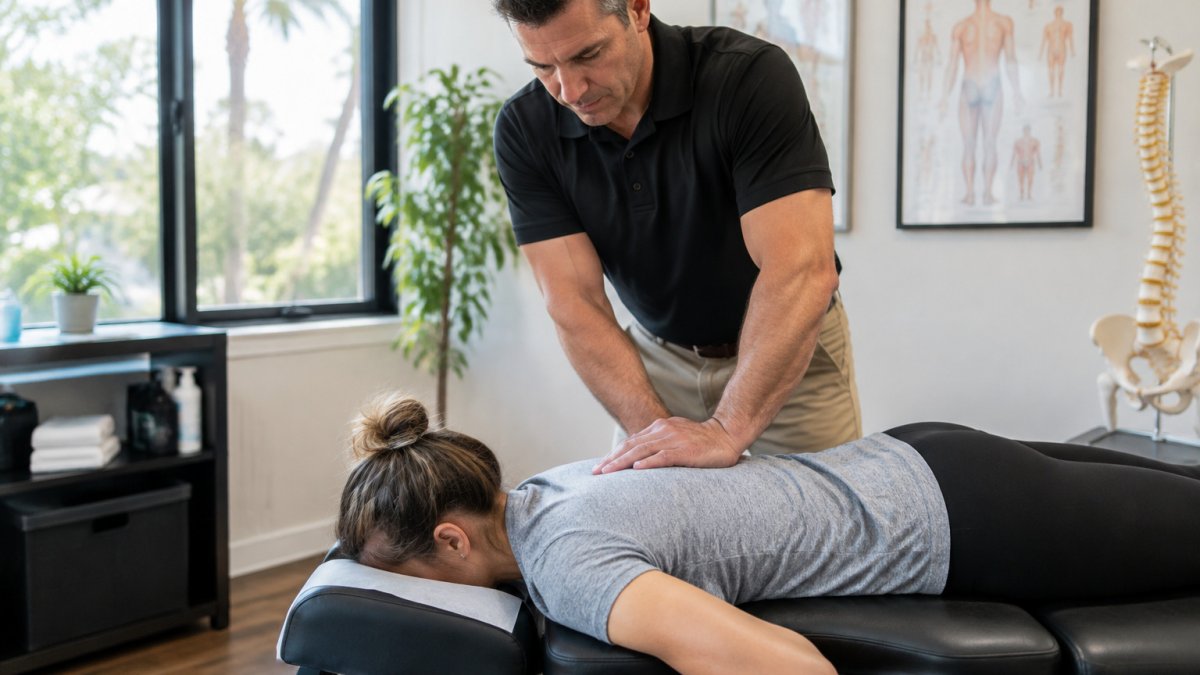
 how-to
When to Choose Physical Therapy for Back Pain
Table of Contents
- Signs You Need Professional Help for Back Pain
- When to See a Doctor for Back Pain
- Physical Therapy vs Chiropractic for Back Pain: What's the Difference
- What to Expect During Physical Therapy for Back Pain
- How Long Does Physical Therapy Take for Back Pain
- Non-Drug Treatments and Self-Care During Recovery
- Red Flags: When Back Pain Requires Immediate Attention
- Insurance, Cost, and Getting Started
- Frequently Asked Questions
Last Updated: October 3, 2026
Signs You Need Professional Help for Back Pain
Back pain affects millions yearly. Most cases improve with rest and self-care, but some require professional evaluation. At Natural Healing Arts Medical, we help patients determine when to seek treatment and which approach works best for their condition.
Consider professional help if pain lasts more than a few weeks, or if you experience sharp shooting pain down your leg, numbness or tingling in your feet or legs, or weakness in your legs.
Pain that disrupts sleep, work, or daily activities, or prevents bending, lifting, or moving without significant discomfort, warrants professional guidance. Chronic pain unresponsive to over-the-counter remedies deserves expert evaluation.
When to See a Doctor for Back Pain
Minor strains often resolve within a week or two with rest and ice, but certain situations demand medical evaluation.
See a doctor if pain follows an injury, occurs suddenly without obvious cause, or if you have a history of cancer, osteoporosis, or spinal problems.
Fever combined with back pain suggests infection. Progressive pain worsening despite treatment or unexplained weight loss requires investigation.
Your primary care doctor can rule out serious conditions and determine if physical therapy for back pain is appropriate.
Physical Therapy vs Chiropractic for Back Pain: What's the Difference
Physical therapy for back pain and chiropractic care are two distinct approaches to pain management.
Physical therapy focuses on therapeutic exercise and movement to strengthen your core, improve flexibility, and restore function.
Chiropractic care emphasizes spinal alignment through hands-on adjustments to realign vertebrae and reduce nerve interference. Many chiropractors also recommend exercises and ergonomic changes to restore spinal function.
Both avoid surgery and medication and aim to reduce pain and restore mobility. The key difference: physical therapy emphasizes movement and strengthening, while chiropractic focuses on spinal alignment.
For acute muscle strain, either approach can help. For herniated discs or nerve-related pain, physical therapy often produces better long-term results. Chiropractic care excels at addressing alignment issues and recurring pain patterns.
What to Expect During Physical Therapy for Back Pain
Understanding the physical therapy process removes uncertainty and helps you prepare. Your first session differs from ongoing treatment sessions.
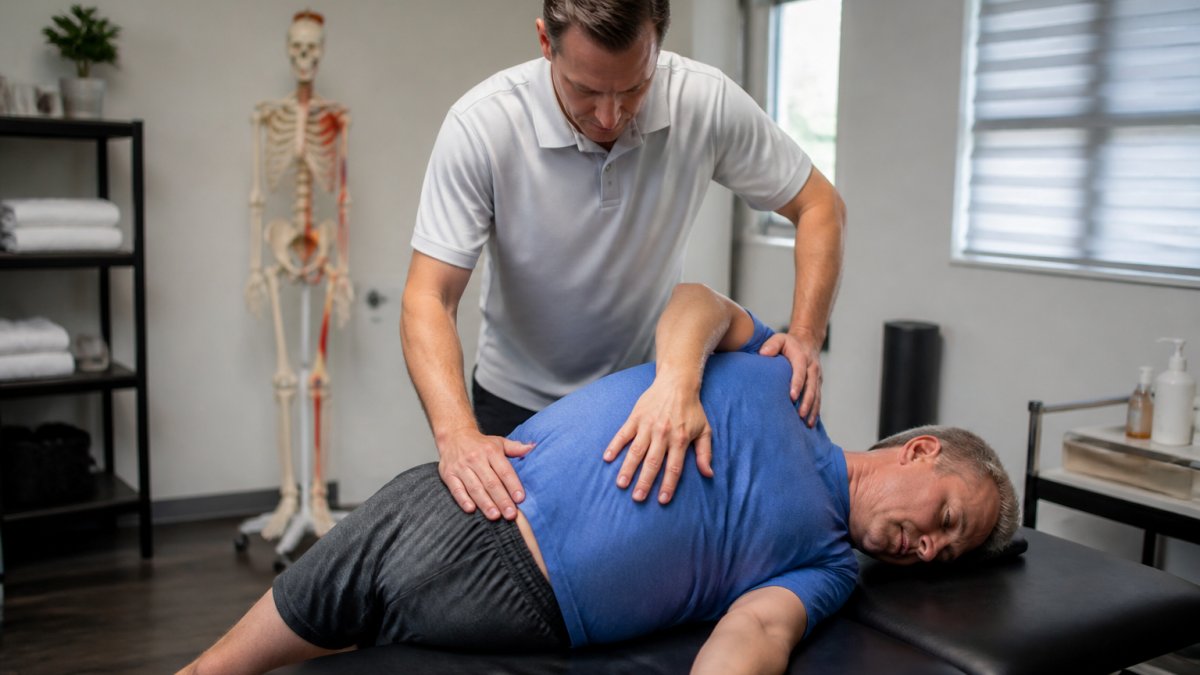
Your First Evaluation
Your physical therapist asks detailed questions about when your pain started, what movements worsen it, and how it affects daily activities.
The therapist then tests your range of motion, strength, flexibility, and posture, and may perform special tests to identify pain sources.
Based on findings, the therapist develops a treatment plan. This plan outlines your goals, the frequency of visits needed, and the specific exercises you'll perform.
Treatment Sessions and Progress
Most of each session focuses on therapeutic exercise to strengthen weak muscles and improve flexibility.
Between sessions, you perform a home program with written instructions or videos. Consistency with exercises accelerates healing and prevents setbacks.
Progress is tracked regularly through reassessment of range of motion, strength, and pain levels. Exercises are adjusted and become more challenging as you improve.
How Long Does Physical Therapy Take for Back Pain
Duration varies by condition severity. Acute muscle strain may improve in 4 to 6 weeks; chronic pain or complex conditions may require 8 to 12 weeks or longer.
Most patients attend 2 to 3 sessions per week initially, decreasing to 1 session per week as they improve for maintenance and continued progress.
Recovery speed depends on age, overall health, injury severity, consistency with home exercises, adherence to ergonomic recommendations, and underlying conditions.
Non-Drug Treatments and Self-Care During Recovery
Complementary self-care strategies during physical therapy for back pain accelerate recovery and rebuild confidence in movement.
Physical Self-Care Strategies
Ice and heat reduce inflammation and pain. Use ice for the first 48 hours after acute injury, then switch to heat to relax muscles and improve circulation.
Activity modification prevents further injury while maintaining movement. Avoid sharp pain triggers but don't resort to bed rest.
Posture awareness prevents muscle imbalance. When sitting, keep your back against the chair, shoulders relaxed, and feet flat. Avoid slouching, hunching, or leaning to one side.
Ergonomic adjustments are essential for desk workers.
Sleep positioning matters. Sleep on your back with a pillow under your knees, or on your side with a pillow between your knees.
The Psychological Dimension: Rebuilding Confidence in Movement
Chronic back pain often creates a cycle of fear and avoidance that weakens muscles and perpetuates pain. Physical therapy addresses this by gradually restoring confidence in movement. This process is accelerated when you actively challenge fear-based thinking:
Recognize catastrophic thinking. Soreness from therapeutic exercise is normal and does not indicate injury. Your PT will help you distinguish between "good pain" (muscle fatigue) and "bad pain" (sharp, shooting, or worsening pain).
Set small, achievable movement goals like "walk for 20 minutes without pain" or "bend down to pick up my child." Achieving these milestones rebuilds confidence.
Practice graded exposure. Gradually increase activity and movement as tolerated. If avoiding lifting, start with light objects and progress slowly to retrain your nervous system.
Maintain consistency with home exercises. Performing your home program daily demonstrates commitment to recovery and builds confidence.
Stress Management and Sleep
Stress tightens muscles and amplifies pain perception. Relaxation techniques reduce muscle tension and support healing.
Practical stress-reduction approaches include deep breathing (5 minutes daily), meditation or mindfulness (10 minutes daily), gentle yoga or tai chi, and progressive muscle relaxation.
Sleep quality directly impacts recovery. Aim for 7-9 hours nightly with a consistent schedule, no screens 30 minutes before bed, and a cool, dark bedroom (the CDC). If pain disrupts sleep, discuss pain management options with your doctor.
Weight Management
Extra weight increases load on your spine. Even modest weight loss (5-10% of body weight) can significantly reduce back pain and improve function by reducing mechanical stress on your joints and discs (pubmed.ncbi.nlm.nih.gov).
Red Flags: When Back Pain Requires Immediate Attention
Seek immediate care for severe pain unresponsive to rest or medication, numbness or tingling in both legs or genital area, loss of bladder or bowel control, fever combined with back pain, weakness or paralysis in legs, pain following serious falls or accidents, unexplained weight loss, or night pain worsening despite rest.
Progressive pain that worsens despite conservative treatment needs reassessment. Your doctor may order additional imaging or specialist consultation. Sometimes conditions require different treatment approaches than initially recommended.
Insurance, Cost, and Getting Started
Understanding the financial and logistical side of physical therapy for back pain is critical before committing to treatment.
Insurance Coverage and Out-of-Pocket Costs
Most health insurance plans, including Medicare, cover physical therapy when prescribed by a physician, though coverage varies by plan type and employer.
What to verify with your insurance provider:
- Annual visit limits: Many plans cap PT visits. Ask your insurer for your specific limit.
- Deductible requirements: Confirm whether your deductible has been met for the current year.
- Copay or coinsurance: Plans typically charge a copay or coinsurance.
- Prior authorization: Some insurers require your doctor to request approval before you start PT.
- In-network vs. out-of-network: Using an in-network provider significantly reduces your out-of-pocket cost.
For uninsured or high-deductible patients: Many clinics offer self-pay rates lower than insurance copays when bundled into packages. Ask about cash-pay discounts, sliding-scale fees, or payment plans.
Home-Based vs. Clinic-Based Triage: Which Do You Need?
A practical triage approach helps you decide whether to start with guided home exercises or schedule a professional assessment.
Schedule an in-clinic evaluation immediately if: pain is severe or sudden, radiates down your leg, is accompanied by numbness or weakness, follows a fall or accident, you have a history of cancer or spinal conditions, pain worsens despite 2-3 weeks of home care, or pain disrupts sleep or work.
Getting Started: Step-by-Step
Step 2: Contact your insurance to verify PT benefits. Use the checklist above. Ask whether prior authorization is needed and whether your chosen clinic is in-network.
Step 3: Schedule your initial evaluation. Bring your insurance card, photo ID, and any imaging results or medical records from your doctor.
Step 4: Prepare for your first session. Wear comfortable clothing that allows movement.
Frequently Asked Questions
What's the difference between physical therapy and chiropractic care for back pain?
Physical therapy focuses on therapeutic exercise, stretching, and functional mobility to address the root cause of back pain and restore strength. Chiropractic care typically involves manual adjustments to the spine and alignment. Both can help, but they use different approaches. Physical therapy emphasizes long-term function and prevention, while chiropractic addresses spinal mechanics. Your choice depends on your specific condition, preference, and what your healthcare provider recommends after evaluation.
How long does physical therapy typically take to show results for back pain?
Most people begin noticing improvement within 2 to 4 weeks of consistent physical therapy, though this varies based on the severity of your condition and how closely you follow your treatment plan. Acute pain may improve faster, while chronic pain often requires 6 to 12 weeks of regular sessions to achieve significant functional gains. Your physical therapist will set realistic timelines during your first evaluation and adjust them as you progress through therapeutic exercise and manual therapy.
When should I see a doctor instead of starting physical therapy on my own?
See a doctor immediately if you experience red flags such as severe neurological symptoms (foot drop, loss of bowel or bladder control), shooting pain down your leg with numbness or tingling, unexplained weight loss, fever, or pain following trauma. These signs may indicate a herniated disc, spinal cord compression, or infection that requires medical evaluation before starting physical therapy. A doctor can rule out serious conditions and determine whether conservative care or other interventions are appropriate.
Can physical therapy help prevent back surgery?
Physical therapy can often help prevent the need for surgery by addressing the underlying cause of back pain through therapeutic exercise, posture correction, and functional mobility work. Many cases of low back pain, muscle strain, and even some disc-related issues respond well to conservative care. However, certain conditions like severe herniated discs with neurological symptoms may require surgical intervention. Your healthcare provider can evaluate whether physical therapy is appropriate for your specific condition or if surgery is necessary.